There are thousands of birdhouses online, and after looking through enough of them, I’ve noticed one problem that comes up over and over again.
Manufacturers love putting a long list of birds in the product title.
Bluebirds.
Finches.
Cardinals.
Wrens.
Chickadees.
Sometimes it sounds like every bird in the neighborhood is supposed to line up for the same little wooden house.
That’s not really how birds work….
Different species have very different ideas about what makes a good nesting spot. Some actively seek enclosed cavities. Others build open nests on branches, shrubs, ledges, vines, or even around our homes.
That’s why I like looking at a birdhouse for what it actually is rather than simply trusting every species listed on the package.
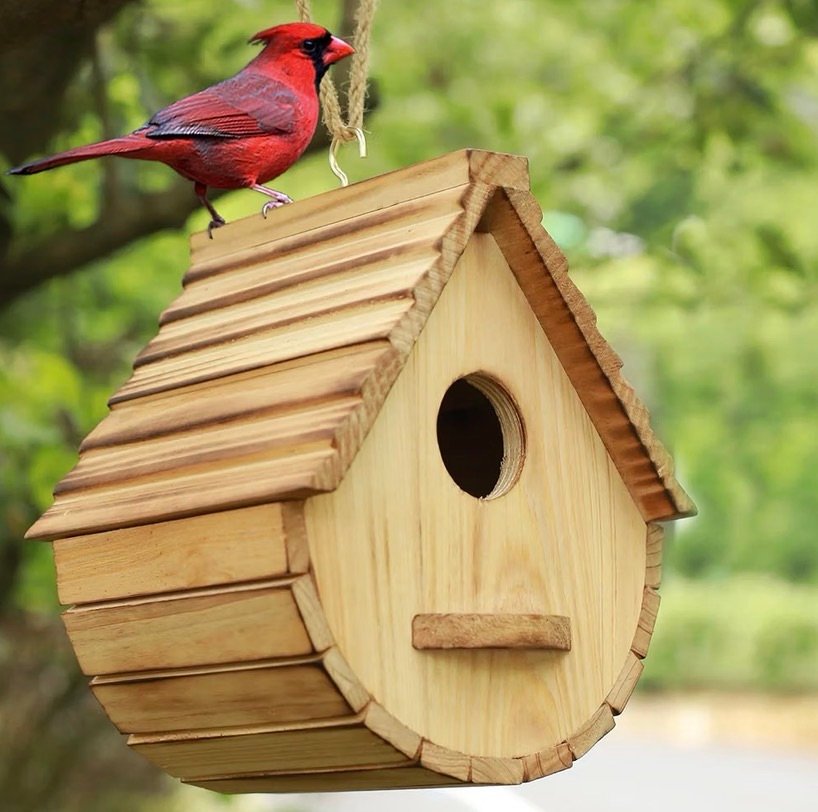
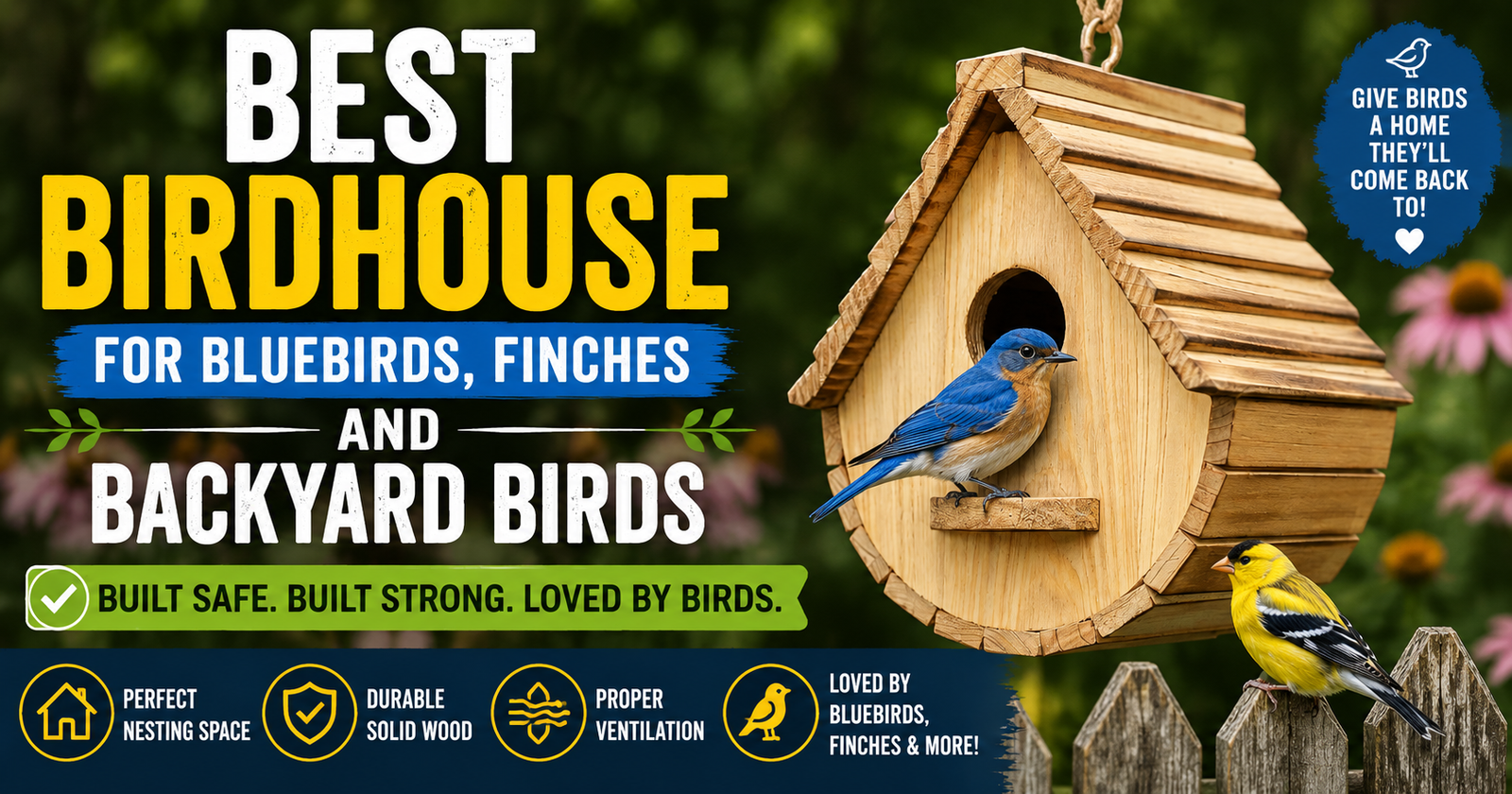
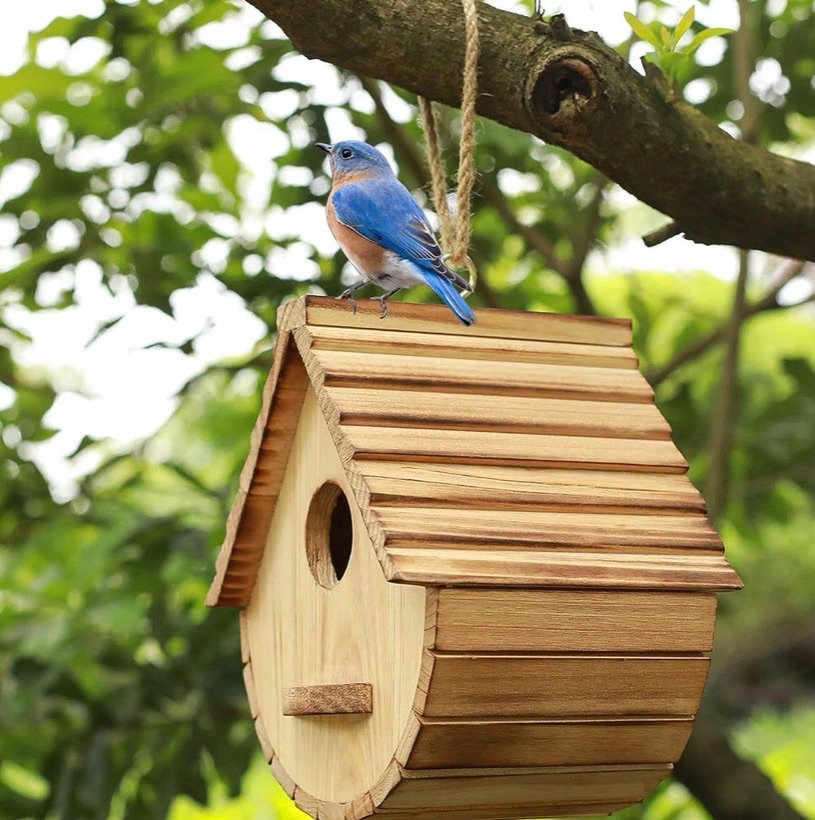
The wooden outdoor birdhouse I’m featuring here is a simple hanging wooden design marketed toward birds including bluebirds, finches, and cardinals.
Of those three, bluebirds are the birds I’d be most interested in when looking at a traditional enclosed nest box design. They’re true cavity nesters and readily use properly designed nest boxes.
Finches require a little more explanation.
And cardinals require a lot more explanation.
But if you’re looking for an attractive wooden birdhouse to add to a general backyard bird setup, I think this one is worth considering, as long as you understand what you’re buying and which birds are realistically most likely to use it. If cardinals are part of your backyard plan, safflower for attracting cardinals can be another practical option to consider alongside habitat and nesting features.
The Wooden Birdhouse I’d Consider for a Backyard Setup
I like simple birdhouses.
Give me natural wood, a usable interior, a sensible entrance, and a design that doesn’t look like somebody tried to build a miniature mansion.
That’s much closer to what I’m looking for here.
The Wood Bird House for Outside you showed me is designed as an outdoor wooden hanging birdhouse and is marketed toward several familiar backyard species.
If you want to see the exact model I’m talking about, you can check it out here:
See this wooden outdoor birdhouse on Amazon
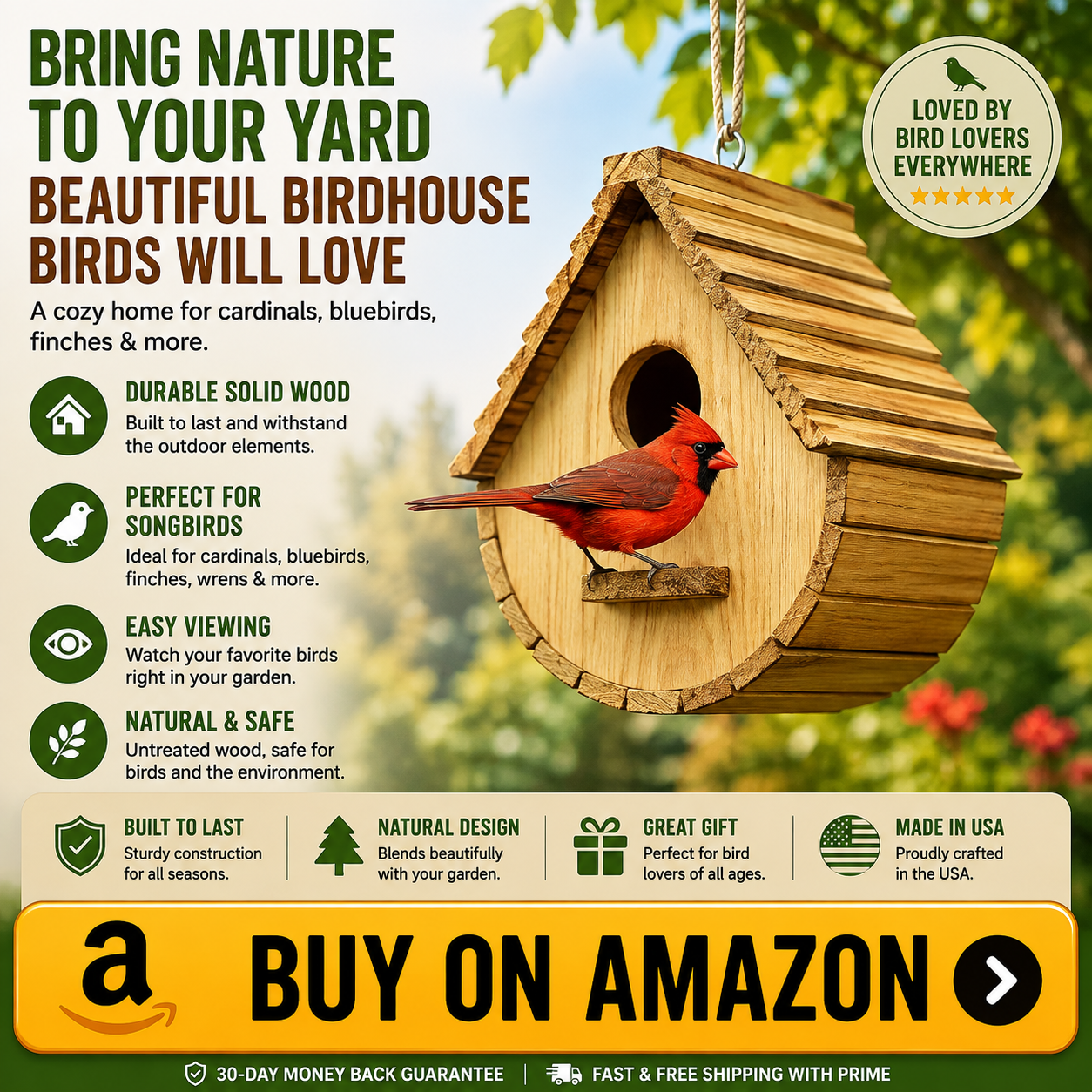
I especially like this type of product for someone who isn’t trying to create a highly managed bluebird trail with precisely engineered boxes spaced across acres of habitat.
Maybe you simply enjoy birds.
You’ve already got feeders.
You’ve got cardinals visiting.
You’ve seen finches around the yard.
You’ve occasionally spotted a bluebird.
Now you want to add a natural-looking wooden birdhouse and see whether one of the appropriate local birds decides to investigate.
That’s the audience I think this house makes the most sense for.
Bluebirds Are Where This Gets Interesting
If you’re hoping an enclosed wooden nest box actually gets used for nesting, bluebirds are much more realistic candidates than cardinals.
Bluebirds naturally nest in cavities.
Historically, that meant things such as old woodpecker holes and natural cavities in trees.
Nest boxes essentially give them another option.
Cornell’s NestWatch maintains species-specific nest box recommendations for Eastern, Western, and Mountain Bluebirds because these birds readily use properly designed artificial cavities.
That’s completely different from putting a random decorative house outside and hoping any bird will move in.
With bluebirds, the concept itself is biologically sound.
The details are where things matter.
A Bluebird House Isn’t Just Any Box With a Hole
This is probably the most important thing I’d tell someone buying a birdhouse specifically for bluebirds.
Measurements matter.
Entrance size matters.
Interior depth matters.
Floor dimensions matter.
Ventilation matters.
Drainage matters.
Placement matters.
Predator protection matters.
The North American Bluebird Society recommends specific nest-box features rather than treating every wooden birdhouse as interchangeable. For Eastern Bluebirds, for example, a 1½-inch round entrance is a commonly recommended option. Western and Mountain Bluebirds generally use a slightly larger opening.
University of Missouri Extension similarly recommends an entrance no larger than about 1½ inches for Eastern Bluebirds, along with adequate interior depth.
So if bluebirds are your only goal, I would verify the exact dimensions of any house before buying it.
That’s more important than whether the word “bluebird” appears in the product title.
Why Entrance Hole Size Matters So Much
That little hole isn’t decorative.
It helps determine which birds can get inside.
And sometimes which birds can’t.
One of the advantages of properly sized bluebird boxes is excluding larger unwanted occupants such as European Starlings.
Cornell’s birdhouse guidance emphasizes matching entrance diameter and interior dimensions to the species you’re actually trying to attract.
That’s why I’d measure or verify the opening on any general-purpose wooden house before treating it as a dedicated bluebird box.
If the measurements fit your target species, great.
If they don’t, I’d rather know that before hanging it outside.
What About Finches?
This gets more complicated because “finch” isn’t one bird.
There are many finch species, and you shouldn’t assume every finch uses an enclosed birdhouse.
House Finches are especially interesting because they’re incredibly comfortable living around people.
You’ll find their nests associated with buildings, ledges, hanging planters, vegetation, and all kinds of strange human-made locations.
But they’re not classic cavity nesters in the same sense as bluebirds.
Cornell’s NestWatch says House Finches using fully enclosed nest boxes is actually unusual enough to be noteworthy. NestWatch has documented successful House Finch nests inside bluebird boxes, including one with a 1½-inch entrance, but emphasizes that this behavior is rare rather than normal.
So could a House Finch use a wooden birdhouse?
Yes.
Would I promise that one will?
Absolutely not.
Finches May Prefer Something More Open
This is where knowing the species changes what I’d buy.
NestWatch has documented House Finches using nest shelves and other more open nesting structures, which fits their flexible nesting behavior better than assuming they want a dark enclosed cavity.
So if House Finches were my exclusive target, I’d probably investigate structures designed specifically around House Finch nesting behavior.
But that’s not really what we’re doing here.
We’re looking at a general backyard wooden birdhouse that could provide an additional nesting opportunity while you attract many species around the property.
That’s why I’m comfortable considering it.
Just keep the expectations realistic.
And Then We Have Cardinals
This is the one where I don’t want the product title misleading anybody.
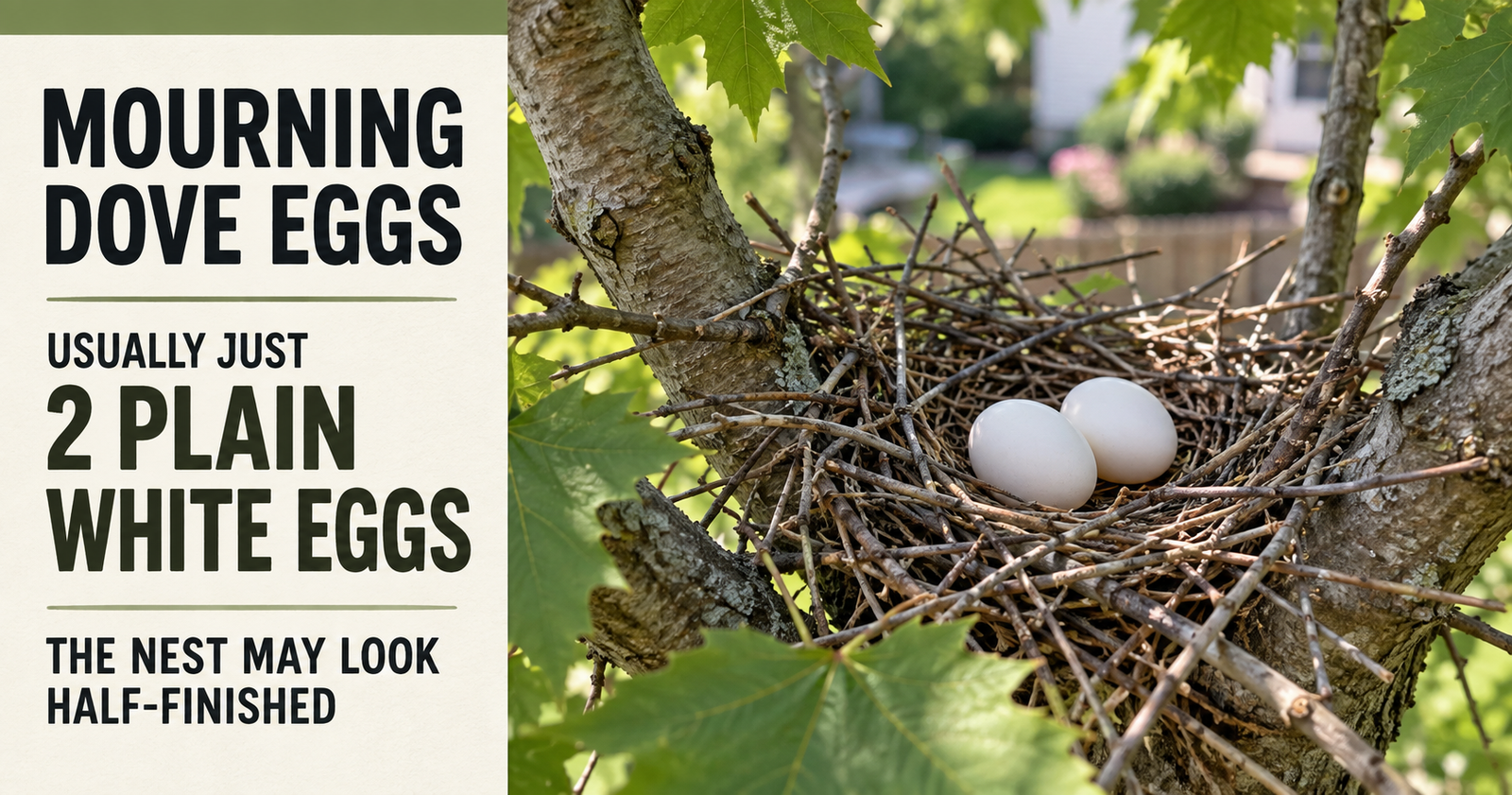
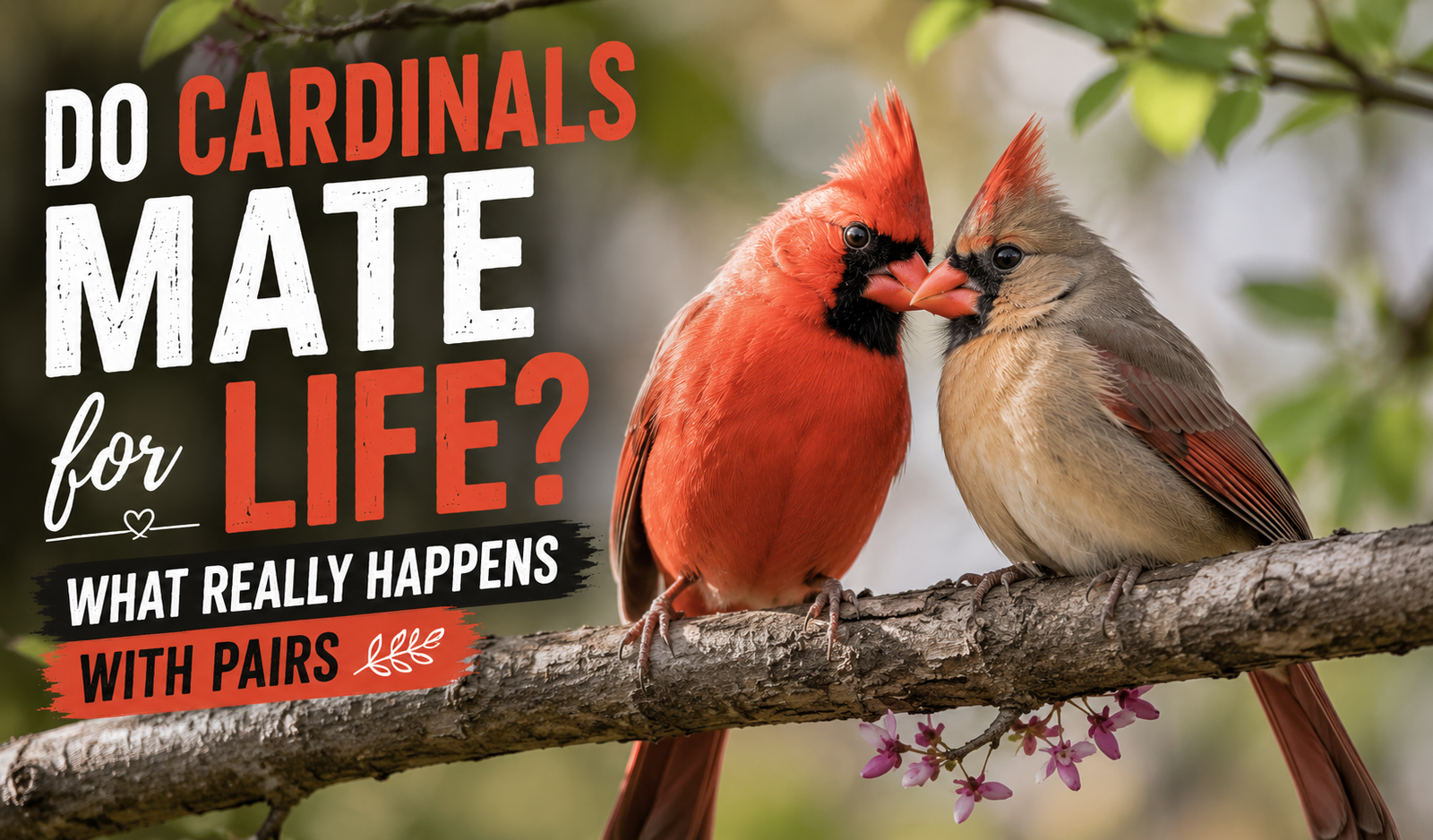
Northern Cardinals normally do not nest in enclosed birdhouses.
They aren’t cavity nesters.
They build open-cup nests in vegetation.
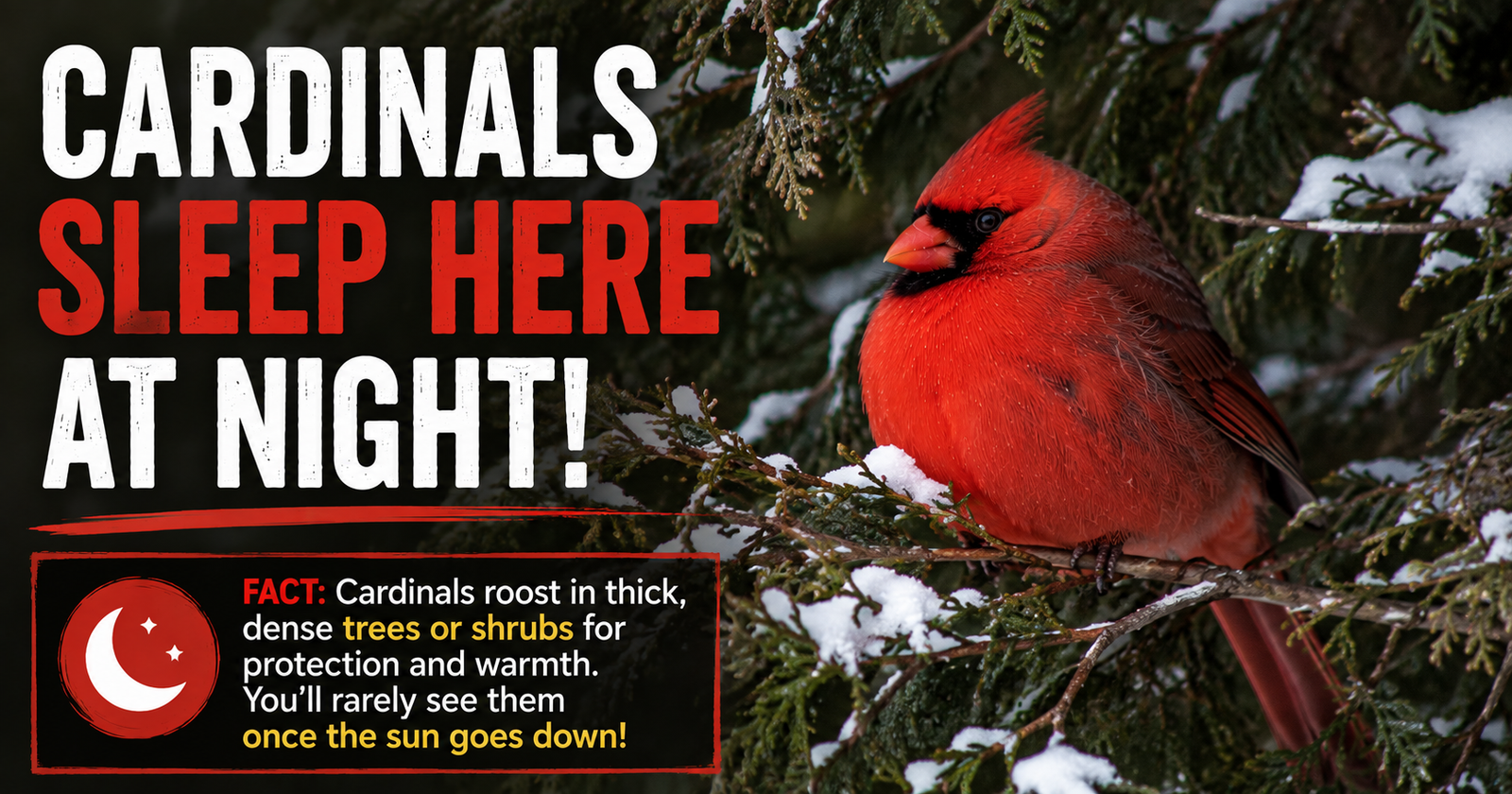
Cornell’s NestWatch specifically points out that nest boxes aren’t the way to attract birds such as cardinals that normally build cup nests. Cardinals that do not use nest boxes generally settle into vegetation at night, as explained in where cardinals normally roost.
So if you buy this house because the listing mentions cardinals, I would not expect a pair of Northern Cardinals to move inside.
Could a cardinal land on it?
Sure.
Could one sit on the roof?
Absolutely.
Could you have cardinals all around the birdhouse?
Definitely.
But that’s very different from nesting inside.
Why I’m Okay Recommending It Anyway
Because I don’t think every product has to serve only one species.
Imagine your backyard as a complete bird habitat.
You have a feeder that cardinals love.
Maybe you’ve got another feeder attracting finches.
You’ve planted shrubs.
You’ve provided water.
Bluebirds occasionally move through the property.
Chickadees are around.
Wrens show up.
Then you add a wooden birdhouse.
The cardinals may completely ignore the interior.
That’s okay.
Another cavity-nesting species might discover it.
Meanwhile, the cardinals continue using the shrubs, feeders, and other habitat you’ve provided.
That’s a much healthier way to approach backyard birding than saying:
“I bought a cardinal house, therefore a cardinal should live in it.”
If Cardinals Are Your Favorite Bird, Read This Before Buying
We’ve already gone deep into this exact subject because there is so much misleading information surrounding “cardinal birdhouses.”
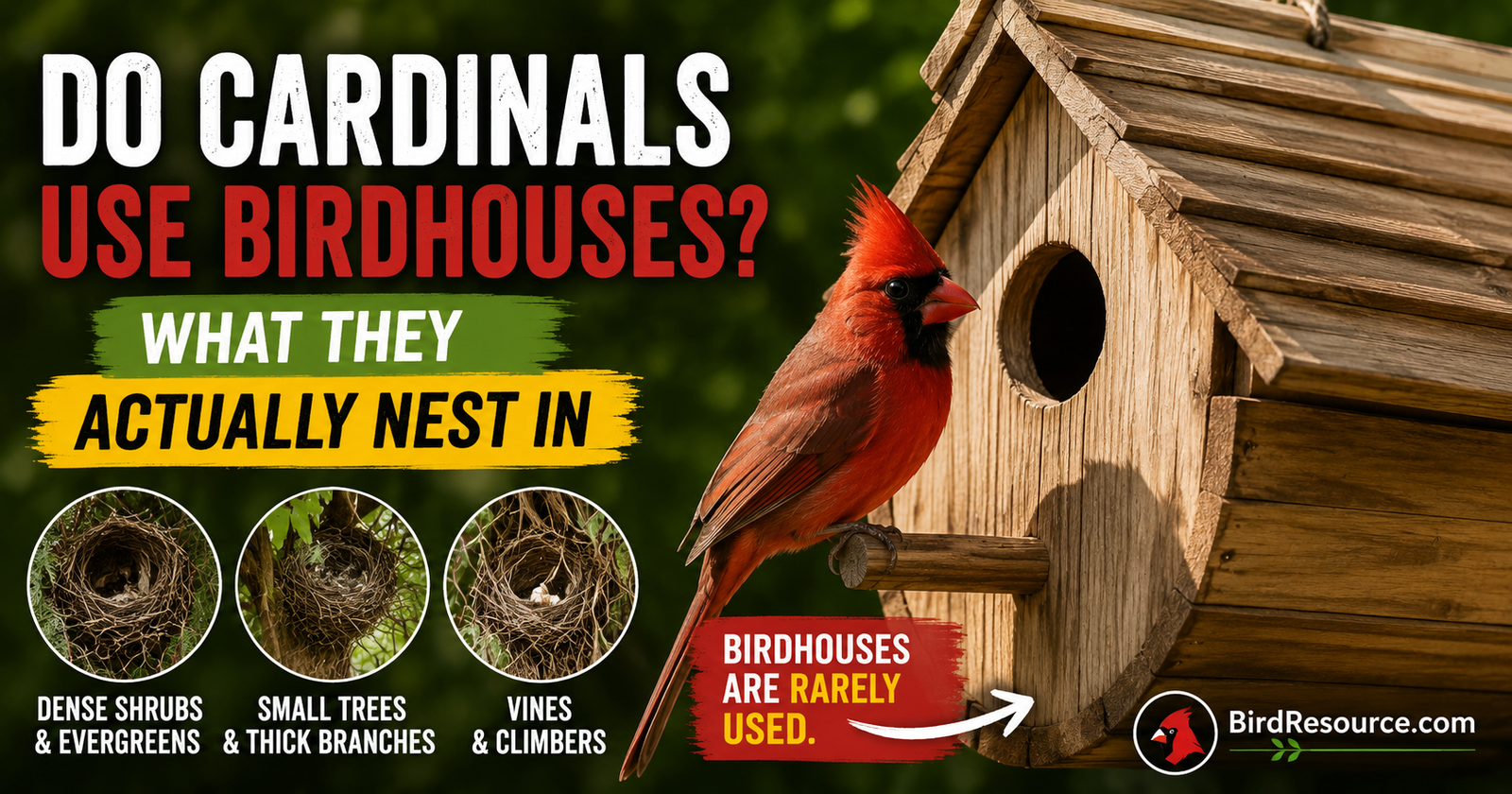
Our guide explaining whether cardinals use birdhouses and what they actually nest in shows what female cardinals really look for when choosing nesting locations.
If your only reason for buying a birdhouse is getting cardinals to nest, I’d read that first.
You might decide your money is better spent elsewhere.
If you understand all of that and still want a nice wooden birdhouse that other backyard birds may use, then this product becomes much more interesting.
What I Like About a Natural Wooden Birdhouse
Wood just makes sense to me for a traditional birdhouse.
That doesn’t automatically mean every wooden house is good.
Construction still matters.
But wood has a natural appearance that fits easily into most yards, gardens, and bird-friendly landscapes.
The North American Bluebird Society includes wooden boards among the commonly used materials for bluebird nest boxes, while also emphasizing the importance of proper construction, weather protection, ventilation, drainage, and access for monitoring and cleaning. Our nest box guidance cover additional information about nest boxes, nesting birds, and responsible observation.
That’s the stuff I care about.
Not whether somebody painted tiny flowers around the entrance.
I Want a Birdhouse I Can Check and Maintain
A birdhouse shouldn’t be a sealed wooden decoration that hangs outside until it falls apart.
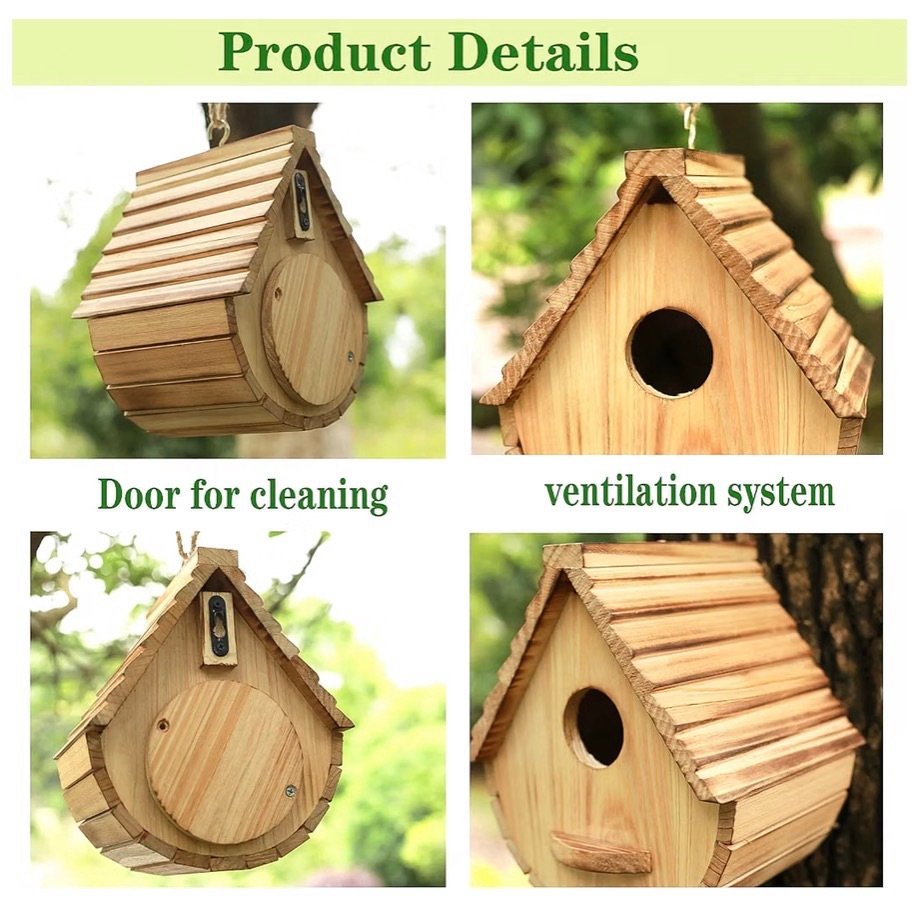
If birds actually nest inside, you’ll eventually want the ability to inspect and maintain it appropriately.
NestWatch specifically recommends nest-box designs that can be opened for monitoring and cleaning.
I consider that a basic feature.
The same goes for drainage.
Rain happens.
Moisture happens.
A good nesting cavity shouldn’t become a little wooden bathtub.
Ventilation matters too, especially when a box is exposed to summer heat.
These boring details become much more important once living birds are actually using the structure.
Don’t Assume a Perch Makes a Birdhouse Better
This is another feature people tend to like because it makes a birdhouse look more complete.
Birdhouse.
Round hole.
Cute little perch.
Perfect, right?
Not necessarily.
A dedicated species-specific nest box doesn’t need decorative features simply because they look bird-friendly to us.
That’s why I wouldn’t choose this or any other house based primarily on the little exterior platform or perch.
I’d be looking much harder at the entrance, interior, ventilation, drainage, roof, construction, and mounting options.
Function comes before cute.
Where You Put the Birdhouse Matters
You can buy a perfectly good nest box and put it in completely inappropriate habitat.
Then nothing happens.
For Eastern Bluebirds, open habitat is important. NestWatch recommends mounting boxes roughly 4 to 6 feet above the ground in appropriate open habitat.
University of Missouri Extension similarly describes bluebirds as birds of relatively open areas with scattered trees and suitable foraging habitat.
That’s quite different from a cardinal.
A cardinal may be much more interested in the thick shrub beside your birdhouse than the house itself.
Again, one yard can accommodate both.
You just need to understand what each bird wants.
I Prefer Pole Mounting for a Serious Bluebird Setup
The product we’re looking at is marketed as a hanging birdhouse, which makes installation easy for the casual backyard user.
But if I were intentionally creating a bluebird nesting setup, I’d personally move toward a proper nest box mounted on a pole with predator protection.
Cornell’s NestWatch recommends pole mounting for Eastern Bluebird boxes.
University of Missouri Extension also notes that nest boxes mounted on trees can be easier for predators to reach than boxes mounted on protected poles.
That’s an important distinction.
There’s a difference between:
“I want a nice wooden birdhouse in my garden.”
And:
“I am deliberately managing a nest box for breeding Eastern Bluebirds.”
For that second goal, I’d become much more particular.
Predator Protection Is More Important Than People Realize
We tend to focus on getting birds into the box.
But once eggs or nestlings are inside, keeping predators out becomes incredibly important.
Raccoons, cats, snakes, squirrels, and other animals can potentially investigate nesting structures.
University of Missouri Extension recommends predator guards and notes that pole-mounted boxes can be easier to protect than boxes attached directly to trees.
So don’t stop thinking once a bird moves in.
That’s when the stakes actually get higher.
Don’t Put the House Somewhere Just Because It Looks Pretty
I see this all the time with backyard bird products.
There’s a beautiful tree beside the patio.
Perfect place for the birdhouse!
Maybe.
But ask a few questions first.
What species are you hoping to attract?
What’s the surrounding habitat?
How much direct afternoon sun hits the box?
Can predators reach it?
Will people constantly walk underneath it?
Is it exposed to prevailing weather?
Can you safely inspect it?
If bluebirds are the target, Cornell’s NestWatch recommends positioning boxes toward suitable open habitat and considering orientation and exposure.
Let the bird’s needs help choose the location.
What If Nothing Uses It?
Don’t immediately assume the birdhouse is defective.
There are a lot of reasons a nest box can remain empty.
Wrong habitat.
Wrong entrance dimensions.
Poor placement.
Too much disturbance.
Predator pressure.
Not enough birds looking for cavities.
Better natural cavities nearby.
Or simply bad luck that season.
Cornell’s entire Right Bird, Right House program is built around matching nest structures to the species and habitat where they’re being installed.
That’s a much better strategy than randomly hanging boxes everywhere.
I Wouldn’t Keep Moving It Every Few Days
Give the birds time.
If you’re constantly relocating the house because nothing moved in immediately, you’re making it harder to learn whether the location works.
I’d choose a sensible location based on the birds around the property and observe it.
If an entire nesting season passes without interest, then I’d reconsider the location, dimensions, and species I’m targeting.
Birdhouses aren’t instant occupancy machines.
Wild birds decide whether they’re interested.
What If a Cardinal Keeps Sitting on It?
Enjoy it.
Seriously.
If a bright red male cardinal decides your birdhouse roof is his favorite singing perch, that’s still pretty great.
Just don’t interpret it as:
“He’s getting ready to move inside.”
A cardinal can use a birdhouse as a perch while having absolutely no intention of nesting in it.
The actual nest may be hidden 30 feet away in a dense shrub.
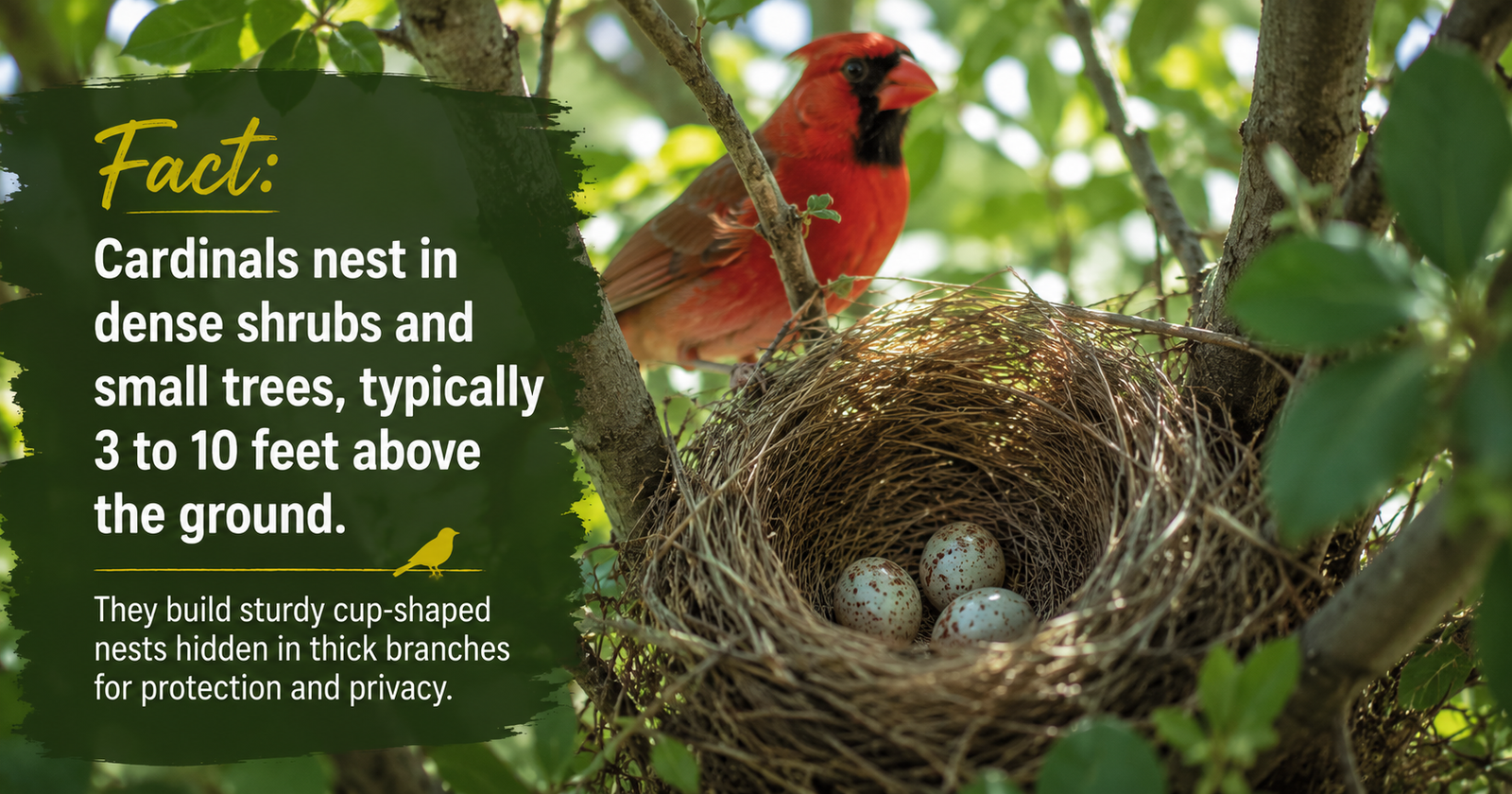
And if you’re trying to figure out where that might be, our guide to where cardinals actually nest will give you much better places to search than inside the box.
What If a Finch Starts Building a Nest?
Now I’d pay attention.
House Finches are flexible nesters.
While enclosed nest-box use is unusual, Cornell has documented successful House Finch nesting inside traditional boxes.
If you see nesting material being carried inside, don’t constantly open the box out of curiosity.
Observe responsibly.
And make sure you correctly identify the species before making assumptions about what’s using it.
One of the fun parts of putting up a birdhouse is that the eventual resident may not be the bird you expected at all.
What If a Bluebird Starts Investigating?
That’s exciting.
Now I’d become much more interested in whether the box is actually appropriate for that bird.
I’d verify entrance dimensions.
I’d pay attention to predator protection.
I’d minimize unnecessary disturbance.
I’d watch for competing species.
And I’d start learning how to responsibly monitor an active nest.
NestWatch provides extensive guidance specifically for people who want to monitor nesting birds and contribute observations to bird research.
A simple backyard birdhouse can turn into a pretty fascinating project.
This Could Be a Great Family Backyard Project
This is one of the reasons I like birdhouses even when I’m cautious about product claims.
There’s something different about watching a bird raise a family.
A feeder gives you quick visits.
A nest gives you a story.
First a bird investigates.
Then nesting material appears.
Then there are eggs.
Then hatchlings.
Then suddenly you’re watching young birds preparing to leave.
That’s an incredible way for kids and adults to become interested in the birds living around them.
And you don’t need a huge property to start paying attention.
Pair the Birdhouse With a Good Feeding Area
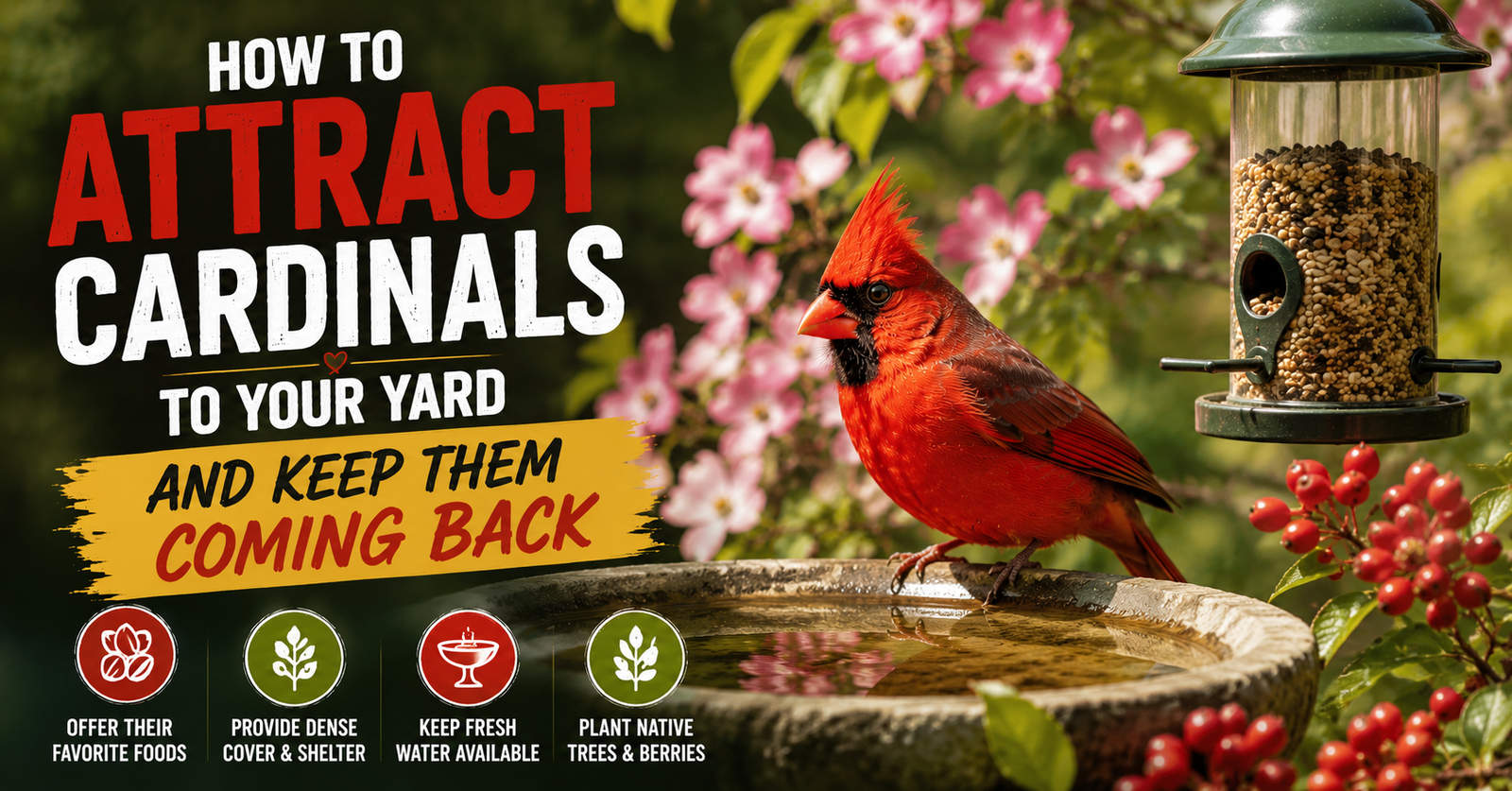
I wouldn’t necessarily put the feeder directly beside an active nesting box, but providing appropriate food elsewhere around the property can make the entire yard more attractive to birds. For practical ways to make that broader habitat more appealing to cardinals, see attract cardinals throughout your yard.
This is especially useful if cardinals are already part of your backyard crowd.
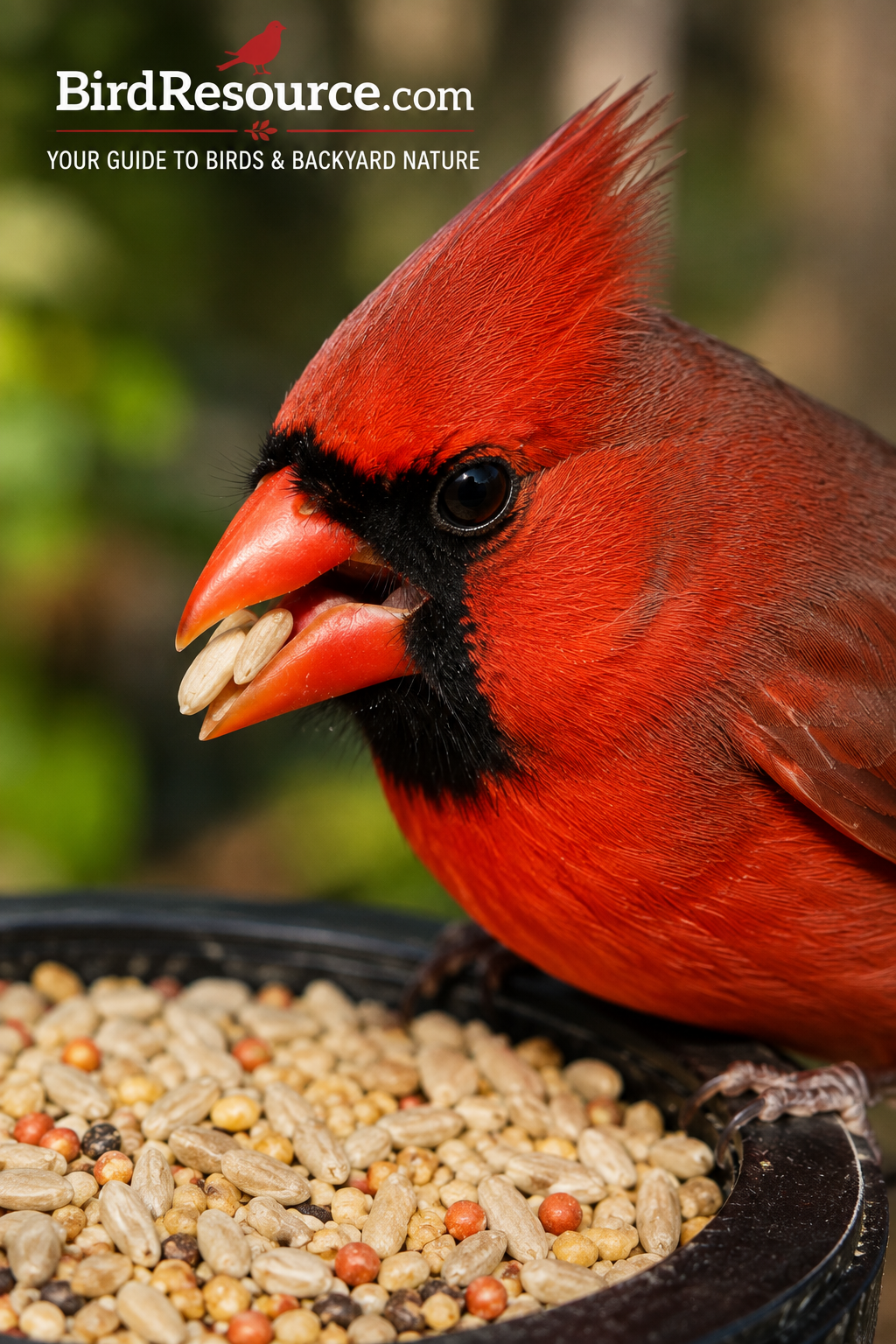
We’ve tested the logic behind which bird seed cardinals actually prefer, with black oil sunflower being one of the strongest starting choices.
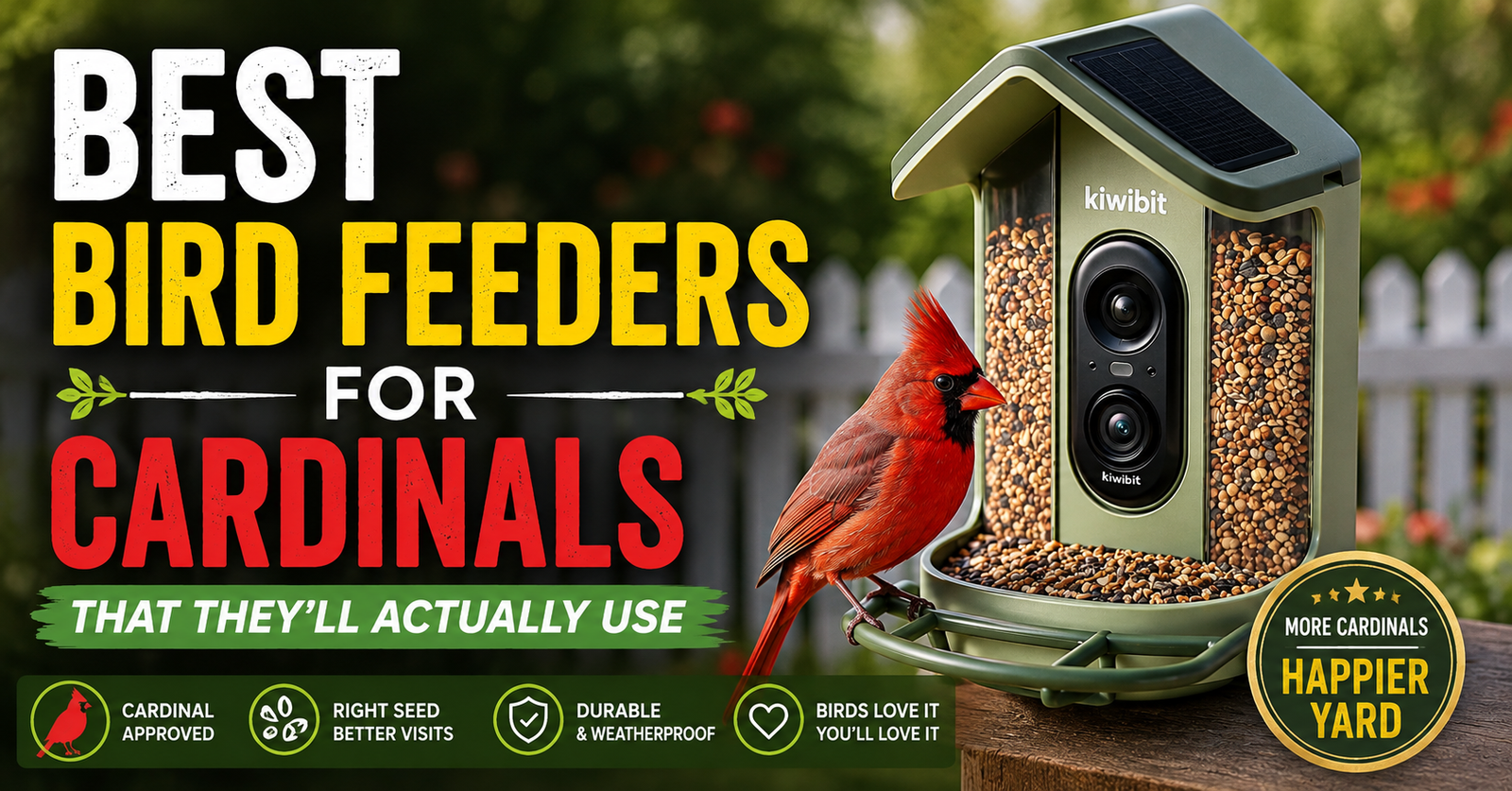
And if your feeder is too cramped for those big cardinal bodies, our guide to feeders cardinals will actually use can help with that side of the yard.
The house and feeding station don’t have to do the same job.
Add Water Too
This is one of the easiest upgrades to a bird-friendly backyard.
A clean source of water can attract birds that may not care about your seed.
Birds drink.
Birds bathe.
And a birdbath gives you another place to observe species moving through the property.
I like thinking about bird habitat as layers.
Food + water + nesting opportunities + natural cover.
The more of those needs your property meets, the more interesting your backyard birdwatching tends to become.
Don’t Forget Natural Nesting Habitat
This matters especially if cardinals and finches are part of your target audience.
Not every bird needs a wooden box.
Shrubs matter.
Trees matter.
Vines matter.
Ledges and protected structures can matter.
Natural cavities matter.
Different birds use different pieces of the property.
That’s why I wouldn’t clear every shrub, remove every dead tree regardless of safety, eliminate every tangled corner, and then install a birdhouse expecting wildlife to consider the yard perfect.
Sometimes the best bird habitat doesn’t come in an Amazon box.
Is This Birdhouse Worth Buying?
For the right person, yes.
I like it most for someone who wants a simple wooden outdoor birdhouse as part of a broader backyard bird setup. Those comparing a birdhouse with other equipment may benefit from our backyard birding equipment guides.
Maybe you’re already feeding cardinals.
Maybe finches are regular visitors.
Maybe you’ve seen bluebirds nearby.
You’re not trying to establish a professionally managed bluebird trail.
You just want to provide another potential nesting structure and see what happens.
That’s where this product makes sense to me.
Take a closer look at this wooden outdoor birdhouse on Amazon
If a suitable cavity-nesting bird decides to use it, fantastic.
If a finch surprises you and nests inside, even better.
If your cardinals completely ignore the interior but spend all summer in the shrubs around it, that’s exactly what I’d expect.
Who I’d Recommend It To
I’d consider it for someone building a general bird-friendly backyard rather than someone targeting one species with scientific precision.
It’s also an easy gift idea for somebody who enjoys watching birds around their yard or garden.
You aren’t giving them something that requires complicated setup.
It’s a familiar, natural-looking backyard bird product that could potentially become much more interesting if a bird decides to use it.
And even an empty wooden birdhouse can look perfectly at home in a garden while you’re waiting to see who investigates.
Who Should Choose Something More Specialized?
If you’re serious specifically about attracting Eastern Bluebirds, I’d lean toward a dedicated bluebird nest box built to recognized specifications.
That’s because we know much more precisely what bluebirds need.
Entrance dimensions.
Interior measurements.
Mounting height.
Habitat.
Predator protection.
Ventilation.
Drainage.
Those details can directly affect whether a box is suitable.
The North American Bluebird Society and Cornell NestWatch both provide detailed specifications for people who want to take bluebird nesting seriously.
A general wooden birdhouse and a purpose-built bluebird nest box aren’t necessarily the same thing.
And If Cardinals Are Your Only Goal?
I wouldn’t buy any traditional enclosed birdhouse specifically for them.
I’d put that money toward:
Dense shrubs.
Native plants.
A good cardinal feeder.
Quality sunflower or safflower.
Fresh water.
Useful cover.
Then I’d let the female choose her own nesting site.
Our cardinal birdhouse guide explains exactly why.
That’s one of the things I want BirdResource.com to do differently.
If a product isn’t really appropriate for a bird, I’m not going to pretend it is just because that makes an affiliate link easier to sell.
Common Questions About Wooden Birdhouses
Are wooden birdhouses good for bluebirds?
They can be excellent when they’re built to appropriate bluebird nest-box specifications. Entrance size, interior dimensions, ventilation, drainage, placement, and predator protection all matter.
Will bluebirds use a birdhouse?
Yes. Bluebirds are cavity nesters and readily use appropriate nest boxes. Cornell NestWatch provides specific nest-box plans and placement recommendations for Eastern, Western, and Mountain Bluebirds.
Will finches use a wooden birdhouse?
It depends on the finch species. House Finches normally use other nesting locations, but Cornell NestWatch has documented them successfully nesting in enclosed nest boxes. NestWatch considers this behavior relatively rare.
Will cardinals use a wooden birdhouse?
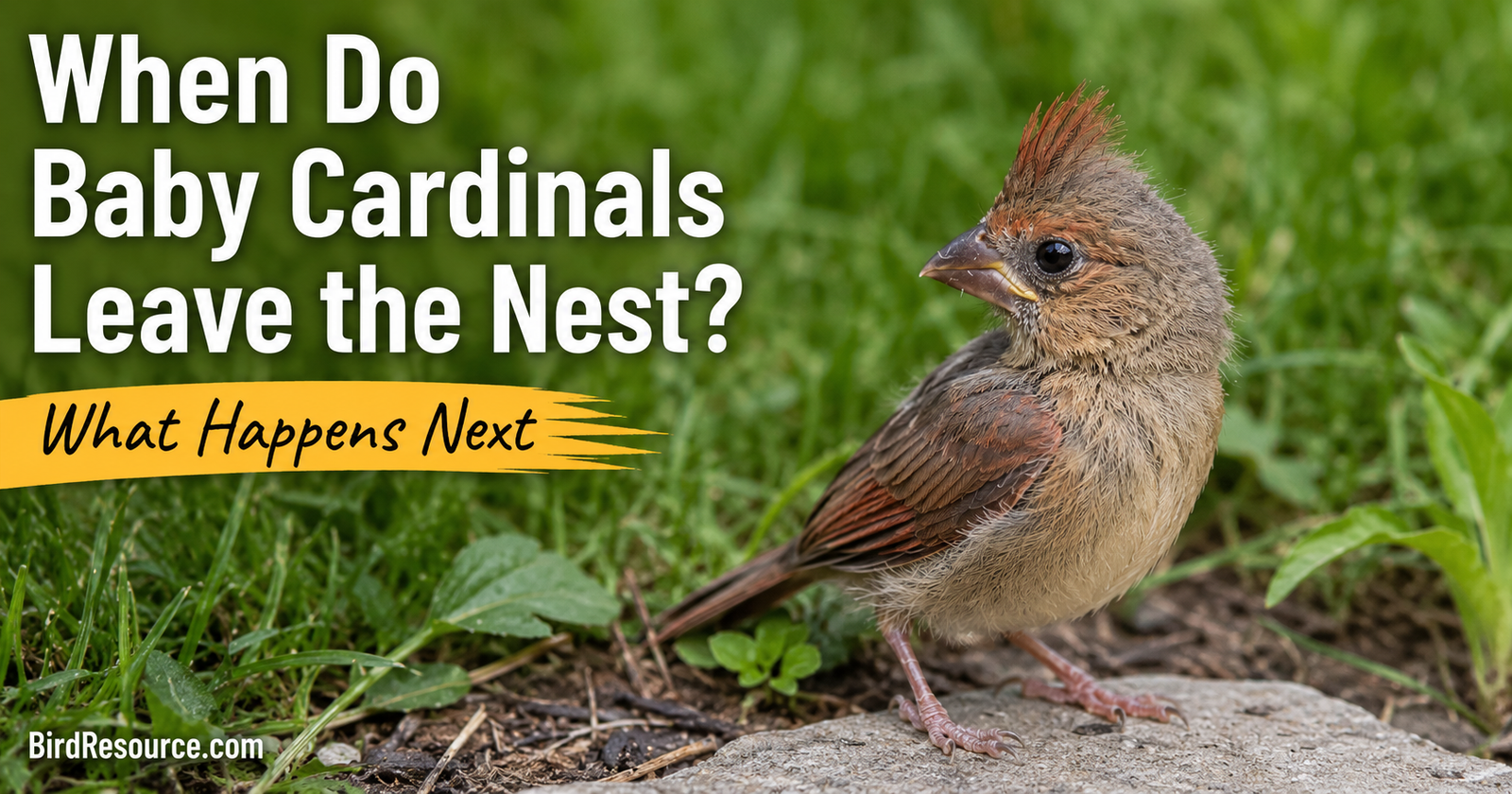
Northern Cardinals normally won’t use a traditional enclosed birdhouse for nesting because they’re open-cup nesters rather than cavity nesters. Dense shrubs, vines, brambles, and small trees are much more consistent with their natural nesting behavior. Once cardinal young leave those open nests, baby cardinals leave the nest and continue developing outside it.
What size entrance hole should a bluebird house have?
For Eastern Bluebirds, a 1½-inch round entrance is a commonly recommended option. Western and Mountain Bluebirds generally use slightly larger openings. Always match the box to the bluebird species in your region.
Should a birdhouse have ventilation?
Yes. A well-designed nest box should provide appropriate ventilation as well as drainage and protection from weather.
Should I hang a bluebird house from a tree?
For a serious Eastern Bluebird setup, I prefer a properly mounted nest box on a pole with predator protection. NestWatch recommends pole mounting for Eastern Bluebird boxes, and extension guidance notes that tree-mounted boxes can be easier for predators to access.
How high should a bluebird house be?
Cornell NestWatch recommends roughly 4 to 6 feet above the ground for Eastern Bluebird boxes in appropriate habitat.
What if no birds use my birdhouse?
Give it time and then evaluate the habitat, placement, entrance dimensions, predator exposure, and which cavity-nesting species actually live around your property. An empty box doesn’t necessarily mean the product itself is the problem.
Is this wooden birdhouse really for cardinals, bluebirds and finches?
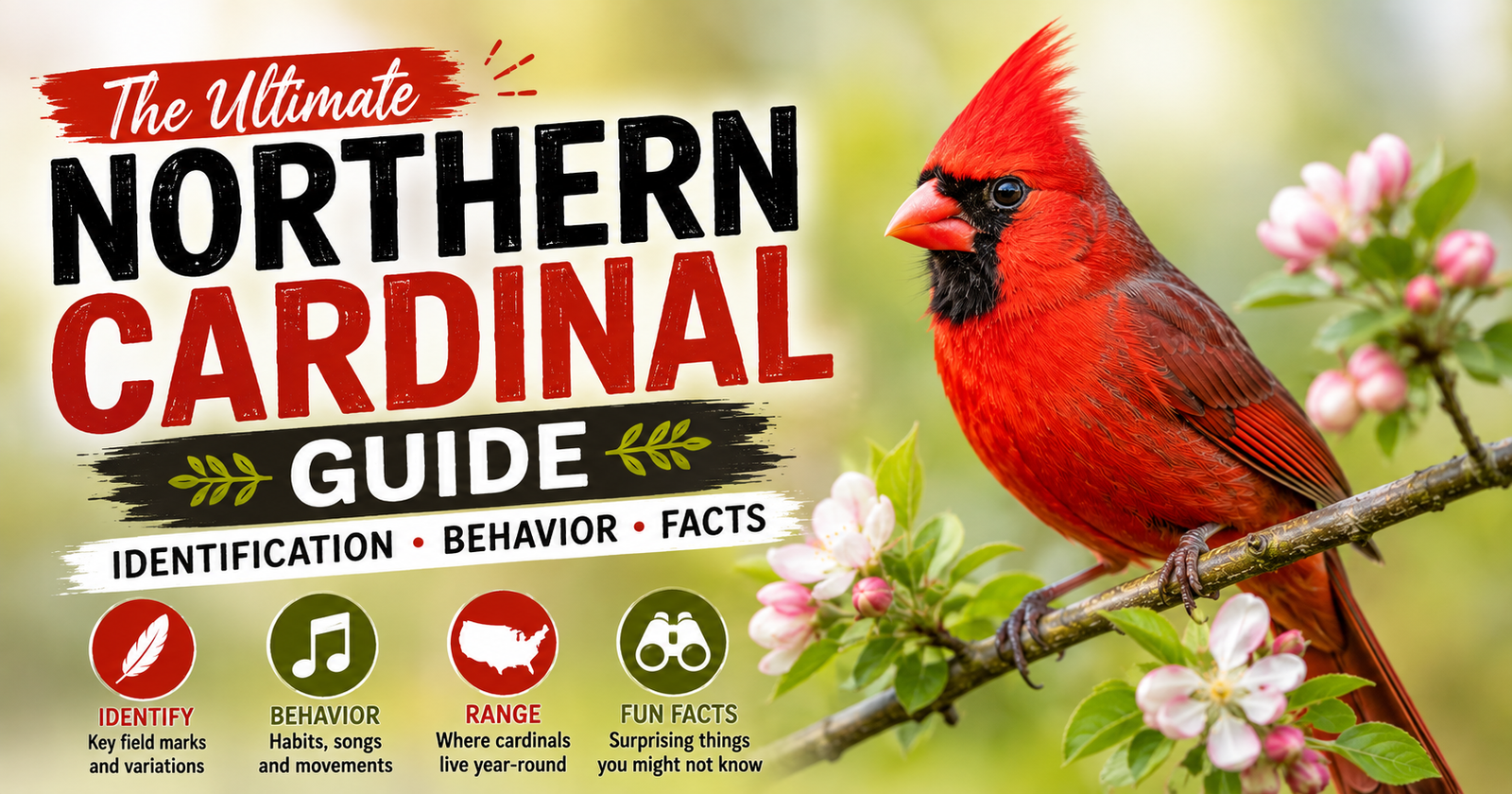
I’d call it a general backyard wooden birdhouse, not a guaranteed house for all three. Bluebirds are legitimate cavity nesters. Some House Finches occasionally use boxes, although it’s uncommon. Northern Cardinals normally build open-cup nests and shouldn’t be expected to nest inside. For more context about the species, see cardinal nesting behavior, including where cardinals typically nest and how they behave around backyards.
That’s ultimately why I like this birdhouse more as a general backyard addition than as a product supposedly guaranteed to attract one particular bird.
Put it somewhere sensible.
Make sure the dimensions are appropriate for the cavity-nesting birds you’re hoping to attract.
Keep your expectations realistic.
Then watch.
You might buy it because you love cardinals and bluebirds, only to discover an entirely different little backyard bird has decided you’ve built the perfect place to raise a family.
See this wooden outdoor birdhouse and check the current Amazon offer
Mason Reed is the Backyard Birding & Gear Contributor for BirdResource.com, where he focuses on practical birdhouses, feeders, bird food, nesting behavior, and helping everyday birdwatchers choose products based on how birds actually live.