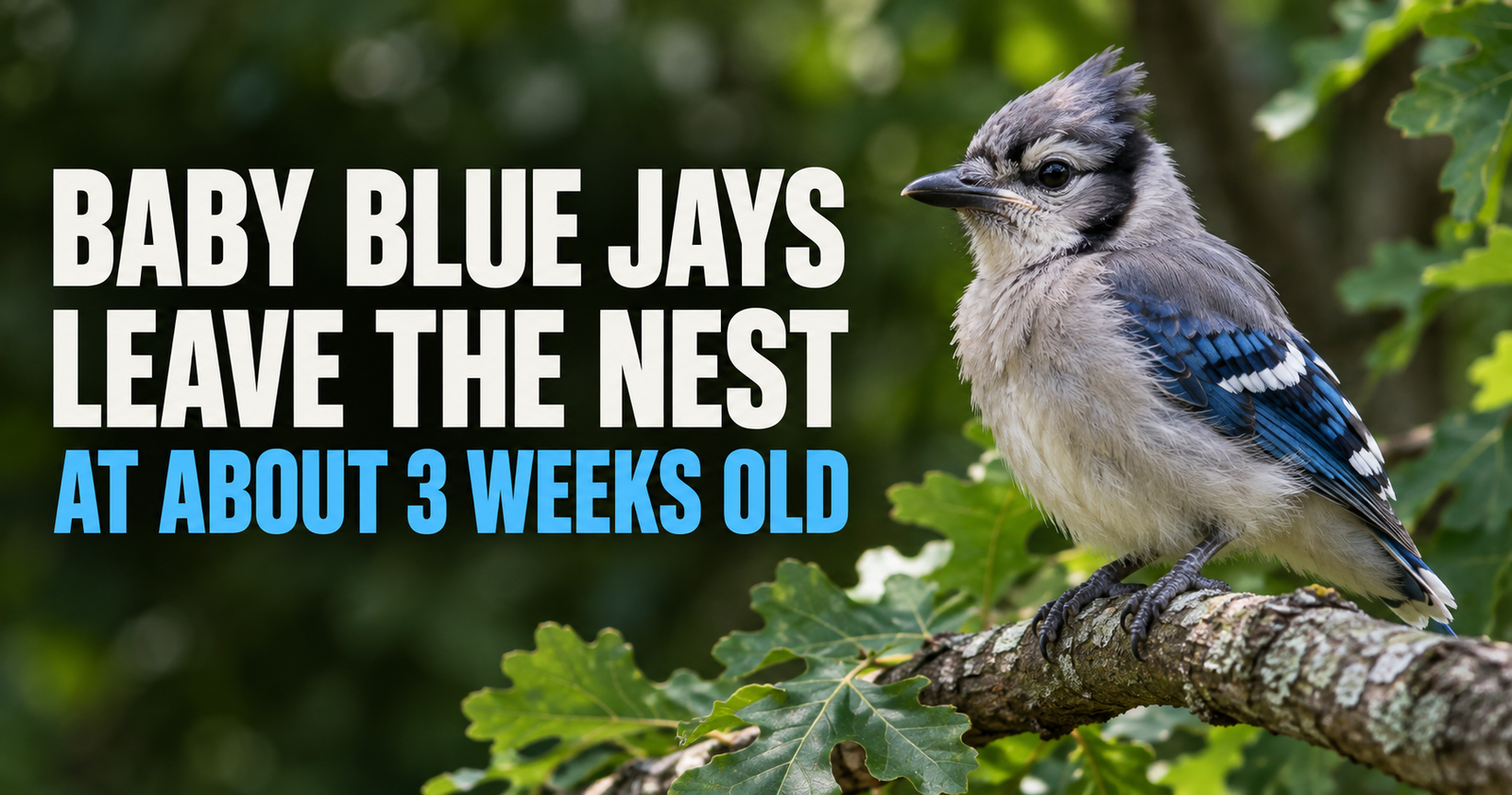
Baby Blue Jays generally leave the nest when they’re about 17 to 21 days old.
But that’s not the end of their childhood.
It’s really the beginning of a completely different stage.
A newly fledged Blue Jay may be fully feathered and capable of moving through trees, yet still fly poorly, beg constantly, follow its parents, and depend on them for food.
Cornell reports that young Blue Jays remain with and are fed by their parents for at least a month after leaving the nest, and sometimes for two months.
That’s the part I want people to understand before deciding a young Blue Jay outside the nest has been abandoned.
A fledgling isn’t supposed to behave like an experienced adult.
It’s supposed to look young, make mistakes, and continue learning while its parents remain nearby.
What Age Do Blue Jays Leave the Nest?
Most Blue Jays fledge at approximately 17 to 21 days after hatching.
That’s less than a month.
Think about how much changes during that short period.
A newly hatched Blue Jay starts life naked, helpless, with closed eyes.
A few weeks later, that same bird is feathered enough to leave the nest and begin moving through the surrounding trees.
That’s an incredible amount of development packed into roughly three weeks.
But don’t confuse fledging with independence.
The youngster still has plenty to learn.

What Does Fledging Actually Mean?
Fledging simply means a young bird has reached the stage where it leaves the nest.
It does not mean the bird:
is completely independent,
flies perfectly,
finds all of its own food,
no longer needs its parents,
or should immediately disappear into the forest on its own.
Cornell’s NestWatch emphasizes that fledglings often don’t fly strongly immediately after leaving a nest. They may hop around on the ground or move through shrubs while their parents continue feeding them.
That’s normal.
The bird’s world has suddenly become much larger than one nest.
Now it has to learn how to live in it.

Blue Jay Babies Can Leave the Nest Area Before They Actually Fledge
This is where Blue Jays get particularly interesting.
Cornell reports that some individual nestlings begin wandering as far as 15 feet away from the nest one to three days before the entire brood fledges.
Imagine finding one of those youngsters.
There’s the nest.
There’s a baby Blue Jay several feet away from it.
The bird begs loudly.
It doesn’t appear to be flying normally.
It looks completely helpless.
It’s easy to conclude:
“This baby fell out.”
But the youngster may be going through a documented stage of normal Blue Jay development.
Cornell notes that parents may actually withhold food from these wandering youngsters until they return toward the nest.
That’s why understanding the bird’s age matters so much.
Do All Baby Blue Jays Leave the Nest Together?
The brood normally fledges around the same general time.
Cornell says Blue Jay broods usually leave the nest together when the young are approximately 17 to 21 days old.
That doesn’t mean every youngster launches from the nest at exactly 9:17 Tuesday morning.
Some may begin exploring earlier.
Individual development varies.
One youngster may be slightly more adventurous than another.
And disturbance can cause young birds to leave prematurely.
A normal fledging event and a frightened nestling leaving too early aren’t the same thing.

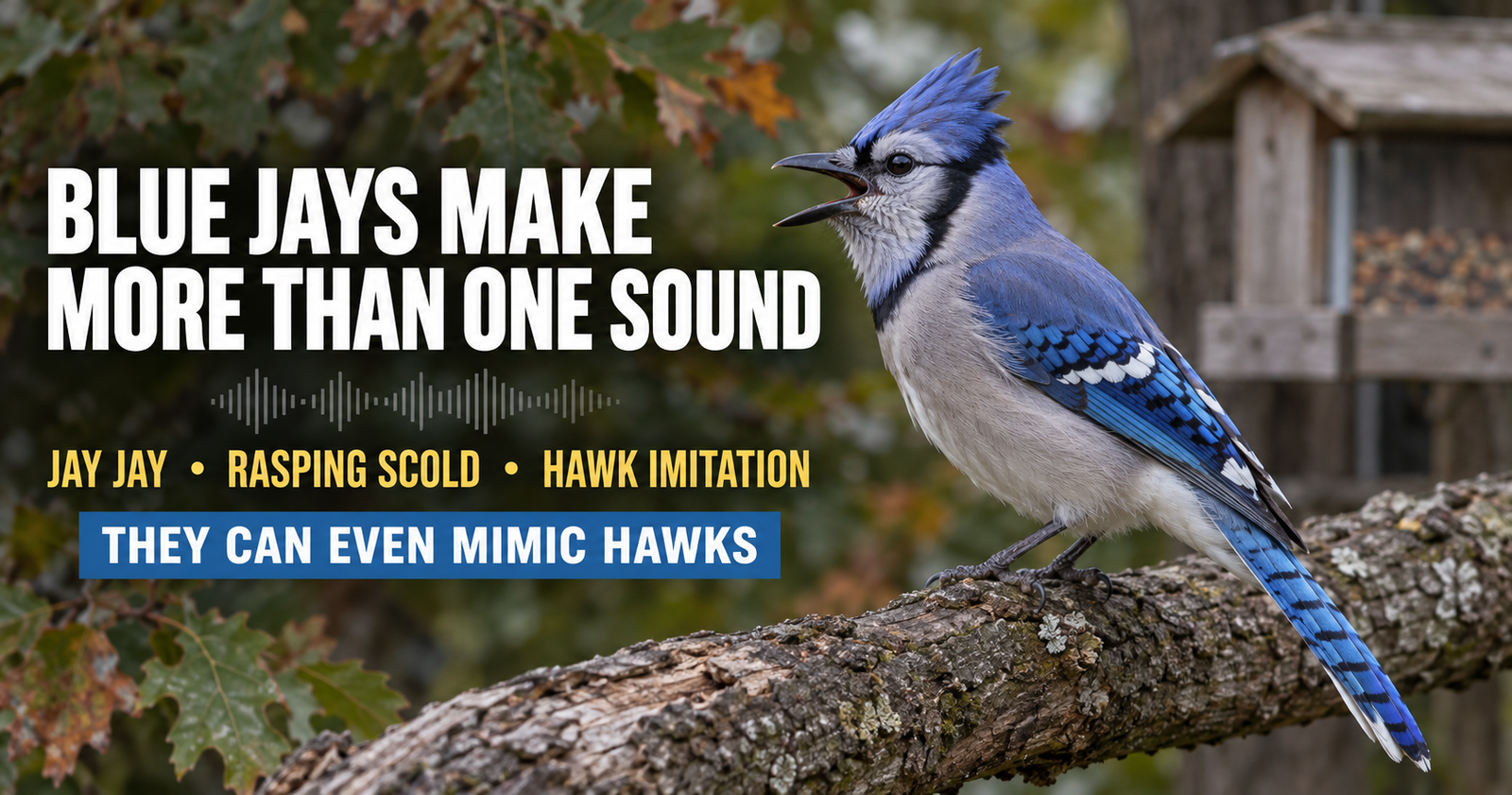
How Far Do Baby Blue Jays Go After Leaving the Nest?
They can move surprisingly quickly.
Cornell reports that young Blue Jays are usually more than 75 feet from the nest by the end of their second day after fledging.
That’s important if you’re watching a nest.
One day the tree seems full of Blue Jay activity.
Then suddenly the nest is empty and the babies are nowhere around it.
That doesn’t automatically mean a predator took them.
The family may simply have moved.
Once fledging begins, I’d stop treating the old nest as the center of the family’s world.
The youngsters are moving outward.
Do Baby Blue Jays Return to the Nest After Leaving?
I wouldn’t expect a normally fledged Blue Jay to keep returning to the nest every night like it’s a permanent bedroom.
The bird has moved into the next stage of development.
Parents continue caring for it outside the nest.
Youngsters move through branches and vegetation while developing their flight and foraging abilities.
The family relationship continues.
The nest itself becomes much less important.
That’s a distinction we see repeatedly with backyard birds.
A nest is primarily a nursery, not a permanent house.
How Long Do Blue Jay Parents Feed Fledglings?
For quite a while.
Cornell reports that young Blue Jays remain with and receive food from their parents for at least a month and sometimes two months after fledging.
There’s considerable individual variation in how quickly young jays become independent.
So don’t look at a nearly adult-sized juvenile begging from a parent and assume something is wrong with it.
Growing to nearly adult size happens before the bird has mastered everything an adult Blue Jay needs to know.
It still has to learn where to find food, how to handle different foods, where to go when danger appears, and how to navigate its social environment.
Why Is a Baby Blue Jay Begging Constantly?
Because begging works.
Young Blue Jays communicate their need for food to their parents.
A fledgling may follow an adult while calling and begging even though the youngster is already capable of flying.
That behavior can make the young bird look helpless.
It isn’t necessarily helpless.
It’s dependent.
Those are different things.
The parents may be gathering food nearby even when you can’t see them.
This is why I don’t assume a calling fledgling is abandoned simply because Mom and Dad aren’t standing beside it every second.

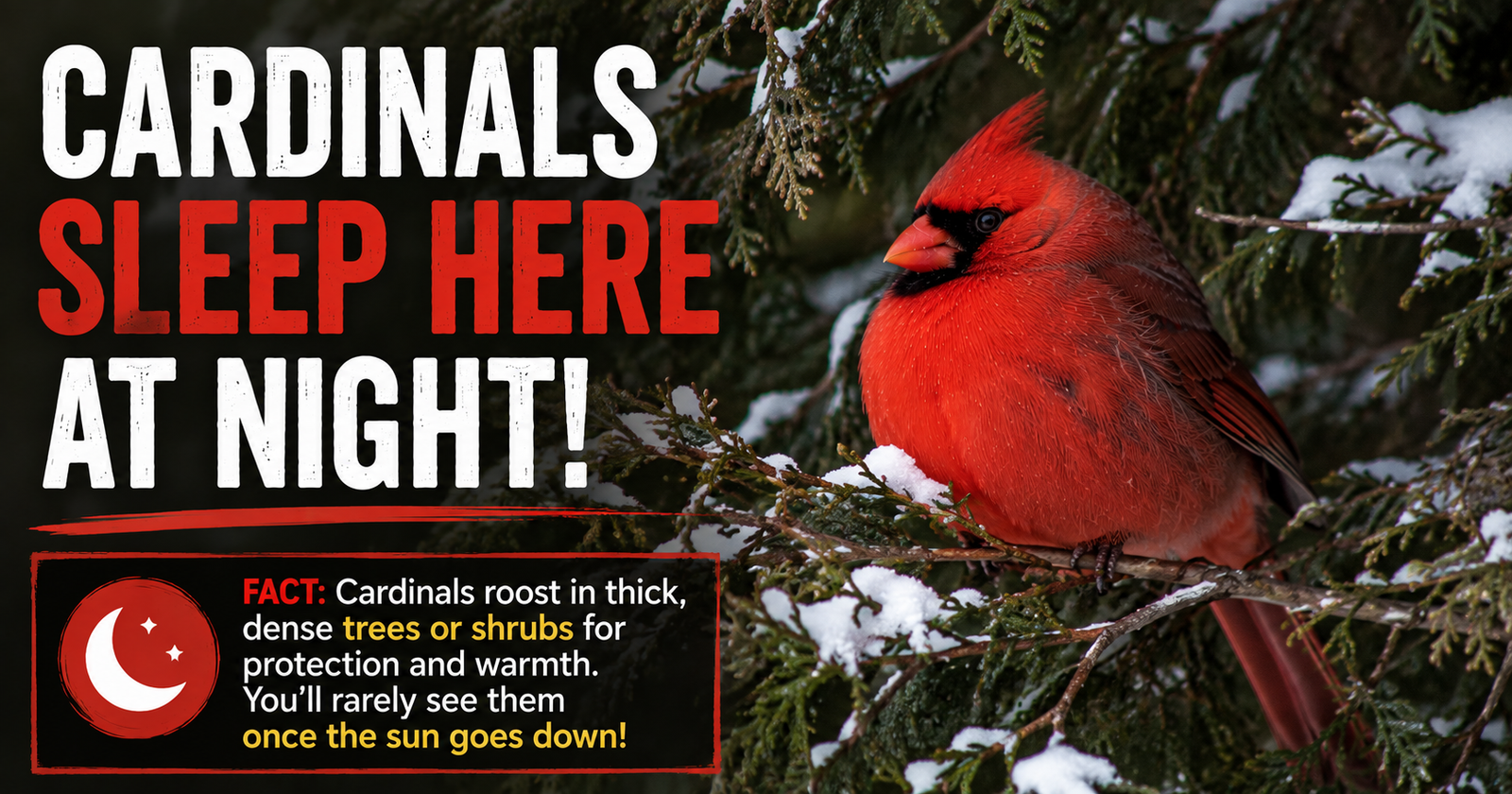
How Long Do Blue Jay Families Stay Together?
Blue Jays have strong family relationships.
Young birds may remain associated with their parents well beyond the fledgling period, with Cornell documenting parental feeding for one to two months after the young leave the nest.
That gives young jays time to transition gradually toward independence.
You may therefore see what appears to be a little Blue Jay family moving around your property well after the nest itself has been abandoned.
Listen for begging.
Watch which birds follow one another.
Pay attention to food exchanges.
Those behaviors can reveal family relationships that aren’t obvious from plumage alone.
What Should I Do If I Find a Baby Blue Jay on the Ground?
First determine whether it’s a fledgling or a nestling.
This is the most important step.
A fledgling is generally well feathered, alert, and capable of hopping, standing, or making at least short flights.
A nestling is younger and may have substantial bare skin or incomplete feathering.
Cornell’s NestWatch recommends leaving healthy fledglings alone because their parents are likely nearby and still caring for them.
A young bird sitting on the ground can look vulnerable.
Sometimes it is.
But picking up every fledgling and taking it away from its parents can turn a normal situation into a real problem.

What If the Baby Blue Jay Can’t Fly Well?
That’s normal for a newly fledged bird.
Fledglings don’t emerge from the nest with the flight skills of an adult.
They may make short, awkward flights.
They may land badly.
They may hop between branches.
They may spend time surprisingly low to the ground.
NestWatch specifically warns that fledglings often look helpless because they don’t fly strongly immediately after leaving the nest.
Give them time.
Those flight muscles and skills improve with practice.
When Does a Baby Blue Jay Actually Need Help?
There are situations where intervention may be appropriate.
A young bird may need professional help if it is clearly injured, bleeding, unable to stand, has a visibly broken wing or leg, has been caught by a cat, or is in another genuine emergency.
If you find an injured young bird, NestWatch recommends contacting a licensed wildlife rehabilitator or wildlife veterinarian rather than trying to raise or treat the bird yourself.
Don’t try to feed it.
Don’t force water into its mouth.
Don’t take it home and decide you’ve got a new pet.
Wild baby birds have specialized needs, and improper feeding can seriously harm them.
What If I Find a Nestling Instead of a Fledgling?
That’s different.
A very young nestling with incomplete feathers generally isn’t supposed to be wandering around on the ground.
For Blue Jays specifically, remember that youngsters close to fledging age can wander short distances from the nest before the brood officially leaves.
Cornell notes that if one of these wandering young jays can safely be restored to or near the nest, the parents can resume feeding it.
If you’re uncertain about the bird’s developmental stage or it appears injured, contact a licensed wildlife rehabilitator for guidance.
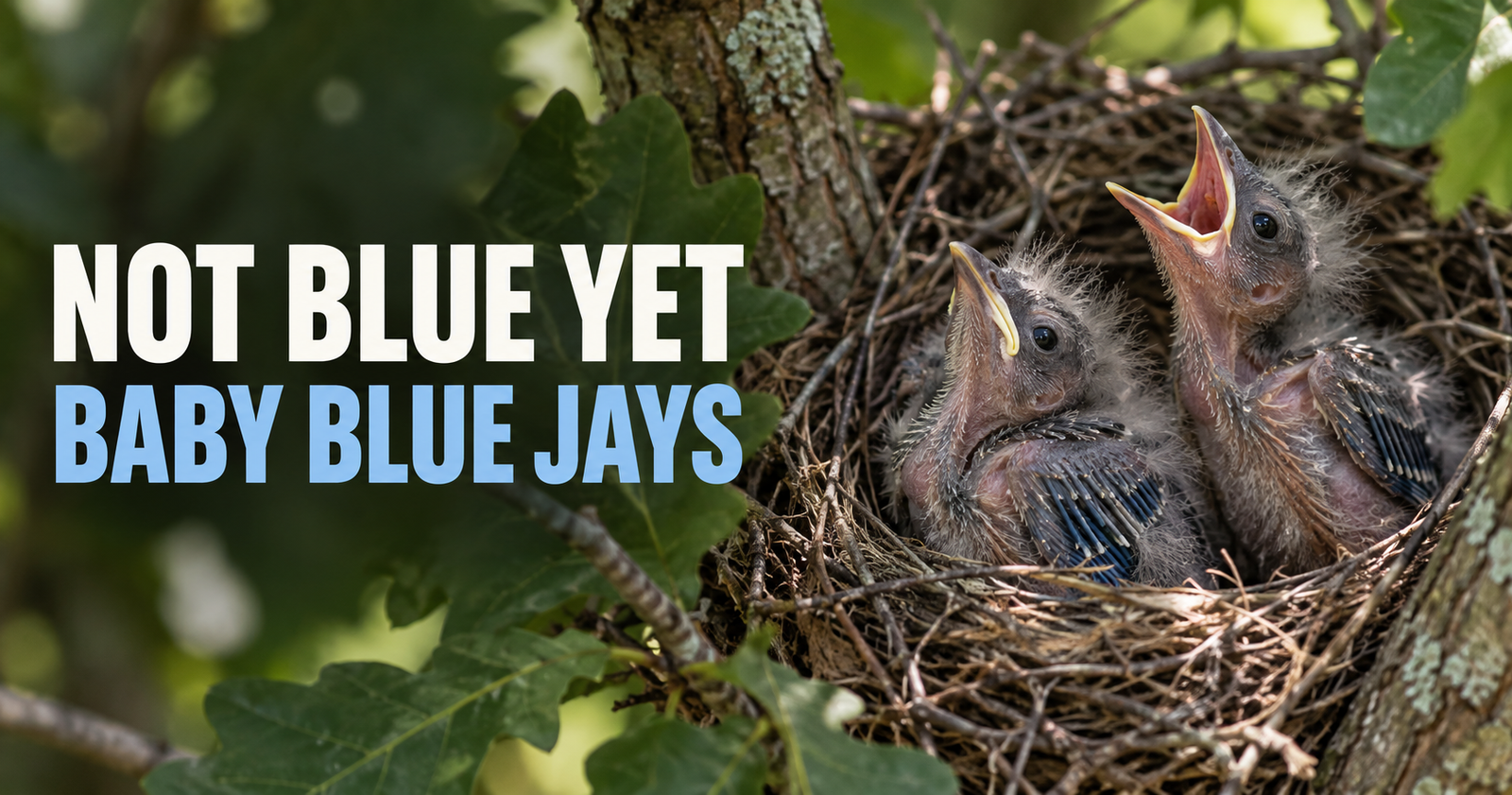
Our baby Blue Jay identification guide can also help you distinguish the major developmental stages before deciding what you’re looking at.
Will the Parents Abandon a Baby Blue Jay If I Touch It?
The old claim that parent birds automatically abandon a baby because a human touched it isn’t accurate.
But that doesn’t mean handling young birds unnecessarily is a good idea.
If you’ve got a healthy fledgling, leave it alone.
If intervention is genuinely necessary, do only what’s needed.
Then back away.
One of the biggest mistakes people make is standing beside a young bird waiting to see whether the parents return.
NestWatch specifically advises watching from a distance because adults may avoid returning while you’re standing too close.
Sometimes helping means leaving.
What If the Parents Aren’t Coming Back?
Give them room first.
A parent Blue Jay isn’t necessarily going to fly directly toward its vulnerable youngster while a large human is standing three feet away watching.
Move well back.
Keep pets and children away.
Observe from a distance.
Parents may be much closer than you realize.
If enough time passes and you genuinely believe the bird is orphaned, injured, or in danger, contact a licensed wildlife rehabilitator for advice.
Don’t assume abandonment after ten quiet minutes.
Keep Cats Away From Fledgling Blue Jays
This is one of the most practical things you can do.
A newly fledged bird spending time low in vegetation or on the ground is particularly vulnerable to cats.
If your own cat goes outdoors, keep it inside while fledglings are around.
If you’re dealing with neighborhood cats, give the young birds as much space and protection as you reasonably can without repeatedly handling them.
A fledgling already has enough to learn without being stalked while it practices flying.
Should I Put a Baby Blue Jay Back in Its Nest?
Not if it’s a healthy fledgling that has normally left the nest.
At that stage, being outside is the point.
Putting it back may accomplish nothing because the bird is developmentally ready to leave again.
A much younger nestling is different.
And Blue Jays have that unusual pre-fledging wandering stage that can make the decision less obvious.
If you’re uncertain, identify the bird’s developmental stage first rather than automatically putting every young bird back into a nest.
Can I Move a Blue Jay Nest With Babies in It?
No.
An active native bird nest containing eggs or young should be left where it is.
Cornell’s NestWatch explains that moving an active nest can stress the birds, injure eggs or chicks, and cause the adults to abandon the nesting attempt. Active native bird nests are also federally protected in the United States.
If the nest is in a genuinely dangerous situation, contact an appropriate wildlife professional rather than relocating it yourself.
How Can I Tell When the Whole Brood Has Fledged?
The nest becomes quiet and empty.
Adults stop making regular food deliveries to it.
Instead, you may begin hearing young Blue Jays calling from several locations nearby.
That’s when I’d start watching the surrounding trees rather than staring at the old nest.
The family has moved.
And because young jays can travel more than 75 feet from the nest within a couple of days, you may need to broaden your search considerably.
Listen for begging calls.
They’re often easier to locate than the young birds themselves.
What Happens to the Nest After the Babies Leave?
The old nest has finished its primary job.
Blue Jays generally raise one brood per year, according to Cornell.
I wouldn’t immediately tear down an old nest just because you think the youngsters left yesterday.
Make absolutely sure the nesting attempt is finished.
And remember that active nests of native birds shouldn’t be disturbed.
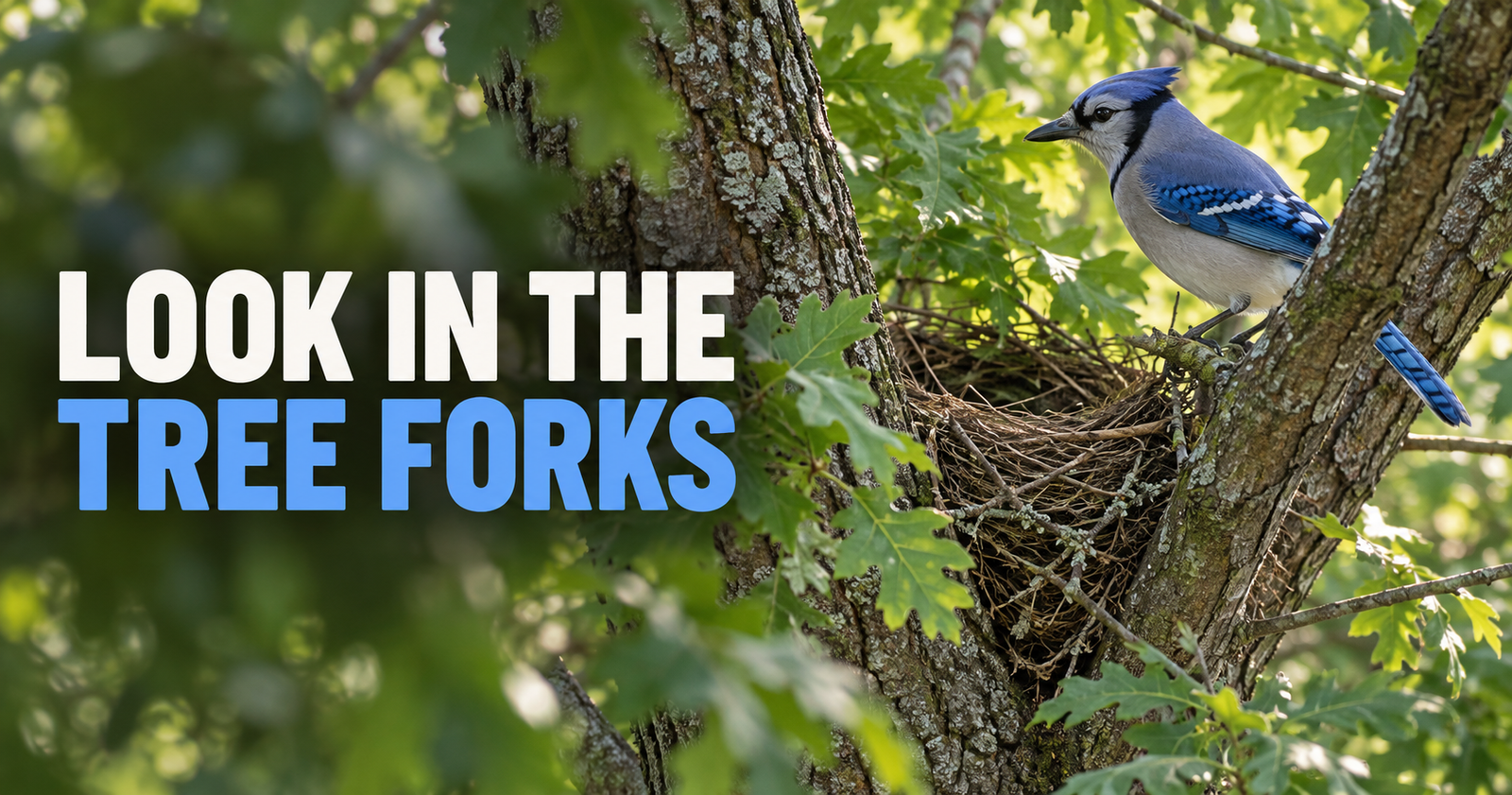
Our guide to where Blue Jays nest covers their nesting locations and behavior in more detail.
Common Questions About Baby Blue Jays Leaving the Nest
How old are Blue Jays when they leave the nest?
Blue Jays generally fledge when they’re approximately 17 to 21 days old.
Can baby Blue Jays fly when they leave the nest?
They can have some flight ability, but newly fledged birds aren’t strong, experienced fliers. Awkward short flights and poor landings can be completely normal.
How long do Blue Jay parents feed babies after they leave?
Cornell reports parental feeding continues for at least a month and sometimes two months after fledging.
Do baby Blue Jays stay with their parents?
Yes. Young Blue Jays remain associated with their parents after leaving the nest while they continue developing toward independence.
Why is a baby Blue Jay sitting on the ground?
It may be a normal fledgling learning to fly. If it’s well feathered and alert, watch from a distance for its parents rather than immediately removing it.
Should I feed a baby Blue Jay I found?
No. NestWatch advises against attempting to feed wild young birds yourself. Incorrect food or feeding techniques can cause serious harm.
Should I give a baby Blue Jay water?
Don’t force water into its mouth. Young birds obtain water through their food, and improper attempts to give water can be dangerous.
Do Blue Jays return to the nest after fledging?
The nest doesn’t continue functioning as their permanent home. After fledging, young Blue Jays move through the surrounding habitat while remaining under parental care.
How far do baby Blue Jays travel after leaving the nest?
Cornell reports that young Blue Jays are generally more than 75 feet from the nest by the end of their second day after fledging.
How do I know whether a baby Blue Jay needs help?
A healthy, fully feathered fledgling usually needs space rather than rescue. A bird that is injured, bleeding, unable to stand, or has been attacked by a cat should be evaluated by a licensed wildlife rehabilitator or wildlife veterinarian.
Seeing a young Blue Jay outside the nest can make it look like something went wrong.
Very often, something went exactly right.
The youngster reached the age when the nest became too small for the life ahead of it.
Its flights may be terrible.
Its begging may be relentless.
Its parents may disappear for stretches while gathering food.
But they’re often still nearby, doing exactly what Blue Jay parents are supposed to do.
Give the fledgling space, keep pets away, and watch from a distance.
You may get to see those awkward first days turn into confident flight surprisingly quickly.
Mason Reed is the Bird Nesting & Behavior Contributor for BirdResource.com, where he helps backyard birdwatchers understand nests, fledglings, feeding, identification, and when a young wild bird actually needs help.