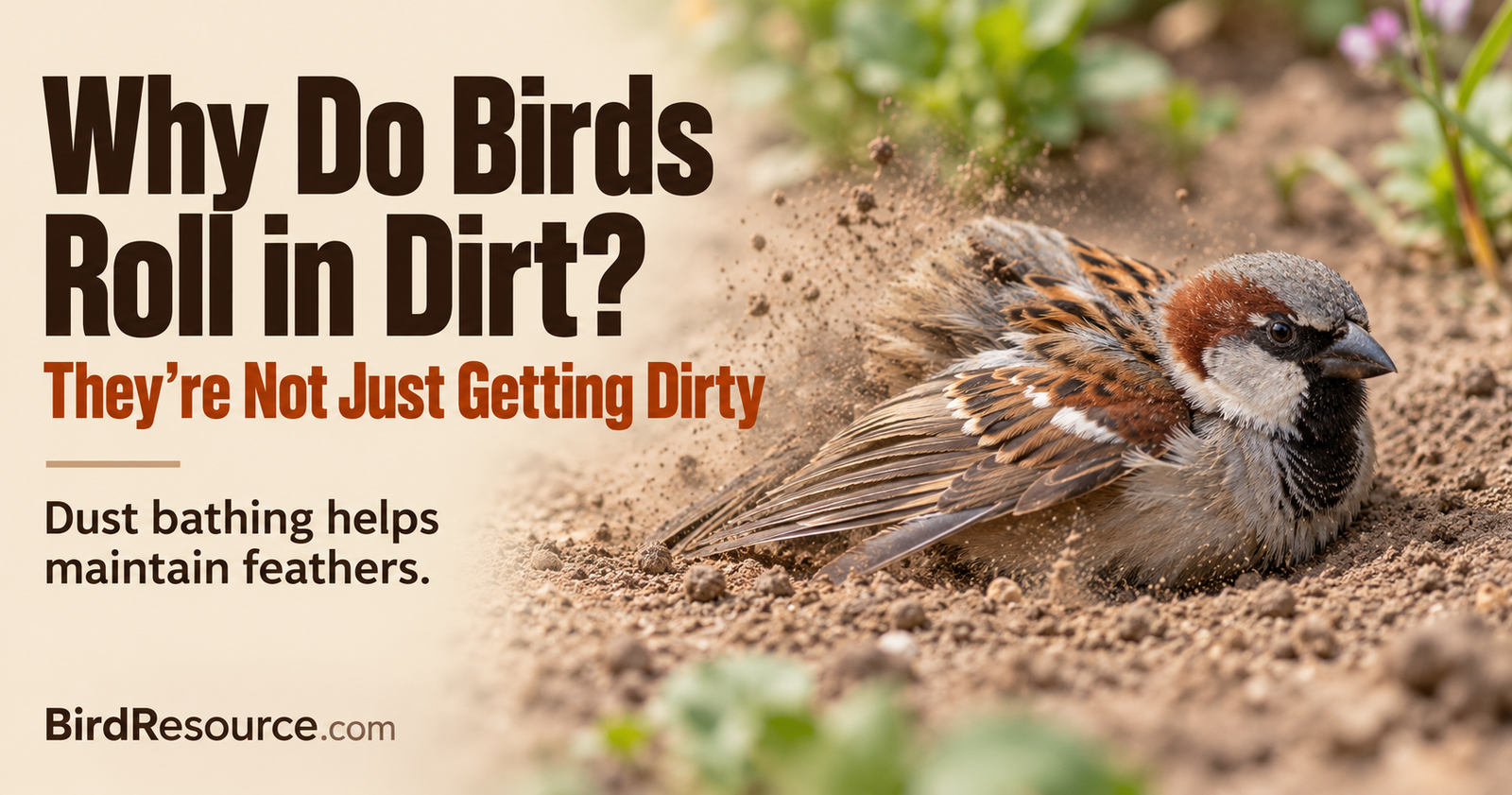
A bird flopping around in a patch of dry dirt can look like it’s having a serious problem.
Its wings are spread.
Its feathers are puffed out.
It’s kicking up dust.
And sometimes it’s rolling around so enthusiastically that you’d think something was attacking it.
But there’s a good chance nothing is wrong.
The bird may actually be cleaning itself.
I know that sounds backward. We usually associate getting clean with water, not rolling around in dirt.
But birds have another way of maintaining their feathers, and it’s called dust bathing.
Chickens do it. Sparrows do it. Many other birds do it too.
And once you understand what’s happening, that strange little dirt bath becomes one of the more interesting backyard behaviors to watch.
Why Birds Actually Roll Around in Dirt
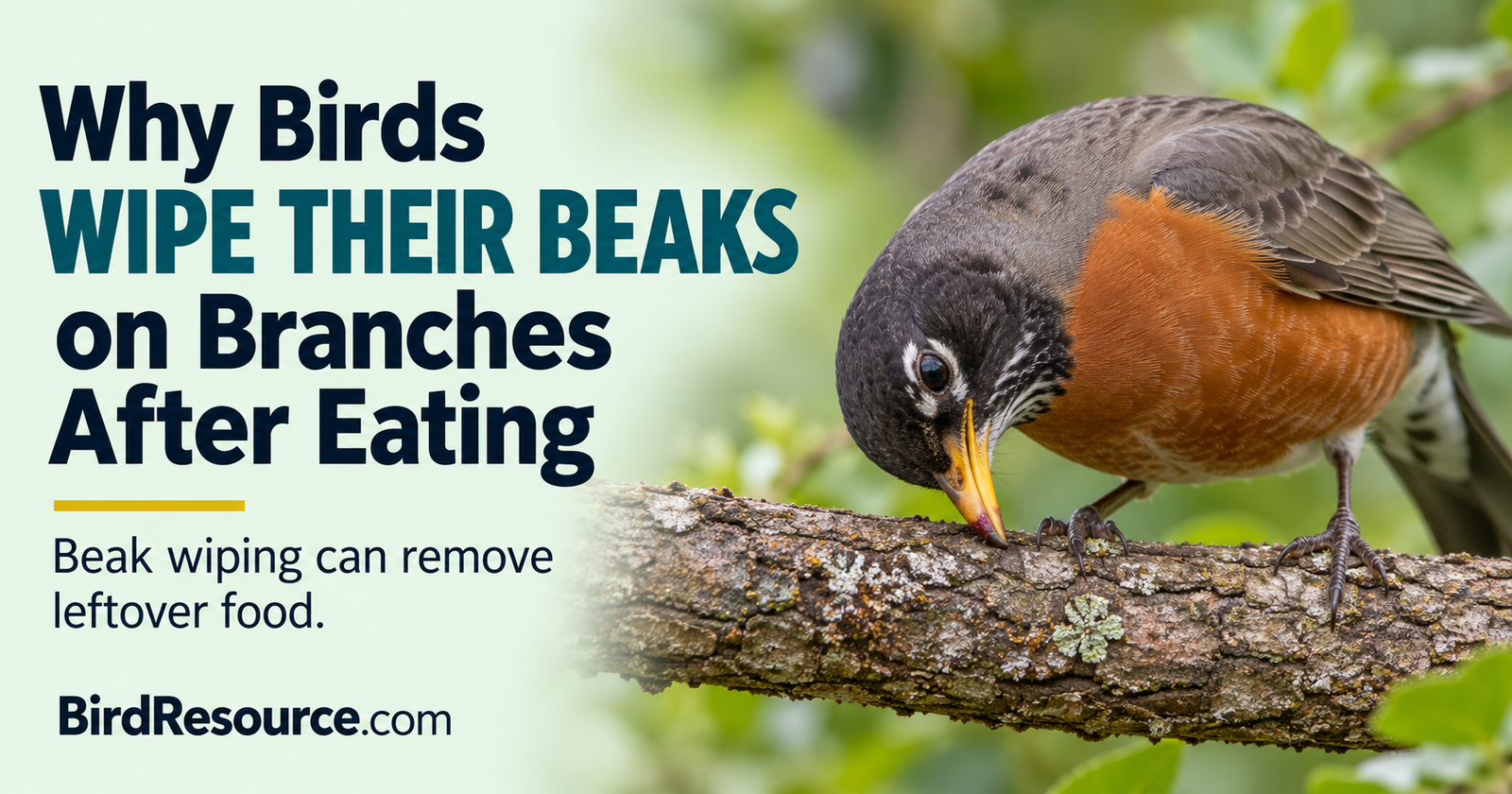
The main reason is feather maintenance.
Birds need to keep their feathers in good condition for insulation, protection, and flight.
Over time, feathers can accumulate oils, dirt, loose skin particles, and other debris.
A dust bath helps with that maintenance.
The bird works fine, dry material through its feathers by fluffing, shaking, and moving its wings.
According to the National Audubon Society’s explanation of how birds keep their feathers clean, dust bathing is one of several grooming behaviors birds use alongside water bathing and preening.
The dust can help absorb excess oil and loosen debris.
So although the bird looks dirtier while it’s bathing, the behavior serves a useful purpose.


What a Bird Taking a Dirt Bath Actually Looks Like
This is where I’d pay attention to the bird’s movements.
A normal dust bath often begins with the bird settling into a shallow patch of loose, dry soil.
Then things get interesting.
First, the Bird Gets Low
Instead of standing upright and walking around normally, the bird lowers its body toward the ground.
It may crouch into a small depression.
Sometimes the bird even helps create that depression by moving its body against the soil.
Then the Wings Start Moving
This is the part that can look alarming.
The bird spreads or flutters its wings while working dust into its feathers.
It may lean to one side.
Then the other.
Its feathers become noticeably fluffed.
Fine dust can rise around its body.
Finally, It Shakes Everything Out
After bathing, the bird may stand up and shake vigorously.
It may also spend time preening.
That means using its bill to straighten and maintain individual feathers.
The whole process is normal grooming behavior.
The bird isn’t necessarily injured just because it’s flopping around in the dirt.

Chickens Are One of the Best Birds for Watching This
If you’ve ever raised backyard chickens, dust bathing is a behavior worth paying attention to.
Chickens can become remarkably enthusiastic about it.
They settle into loose soil, stretch their wings, and work dirt through their feathers.
Sometimes several chickens use the same dusty area.
A bird may look almost asleep one moment and suddenly start kicking dirt around the next.
That’s one reason I think watching chickens can help people recognize similar behavior in wild birds.
The movements may look dramatic, but the bird is performing ordinary feather maintenance.
Why Would a Bird Choose Dirt Instead of Water?
Because dust and water do different things.
Water helps wash away dirt and other material.
Dust can absorb excess oils and help loosen debris from feathers.
Birds may use one or both methods depending on the species and conditions.
I wouldn’t assume a bird taking a dust bath dislikes water.
It may use a birdbath later.
The important thing is that dust bathing isn’t simply a substitute for drinking or bathing in water.
It’s a distinct grooming behavior.
Why Birds Prefer Dry, Loose Dirt
Not every patch of ground makes a good dust bath.
If I were looking for birds dust bathing around a property, I’d pay attention to places where the soil is:
- Dry enough to produce fine dust.
- Loose rather than heavily compacted.
- Relatively free of thick vegetation.
- Accessible without the bird having to dig through heavy debris.
A dusty patch beneath a sheltered area may be more useful than wet, muddy ground.
That doesn’t mean every bare patch will attract bathing birds.
Species, habitat, safety, and available soil all matter.
Can Dust Baths Help Birds With Parasites?
Potentially, yes.
Dust bathing is associated with feather maintenance and may help some birds manage external parasites.
But I wouldn’t describe dirt as a magical parasite treatment.
Not every parasite is eliminated by dust bathing.
And different birds use dust baths in different ways.
The better explanation is that dust bathing forms part of a bird’s overall grooming routine.
That routine also includes preening and, for many species, bathing in water.
Why Do Birds Make Little Holes in the Dirt?
Sometimes those shallow depressions are dust-bathing spots.
A bird repeatedly settling into the same patch can gradually create a small hollow.
But I wouldn’t identify every little hole in the yard as a bird bath.
Animals dig for plenty of reasons.
Some birds scratch while searching for food.
Other animals create shallow depressions too.
What would convince me is actually watching a bird use the spot.
Does it settle into the depression?
Fluff its feathers?
Flutter its wings?
Work dust through its body?
Those behaviors are much stronger evidence than the hole alone.
The Backyard Observation I’d Actually Try
This is one of those behaviors that would make an interesting original BirdResource project.
I’d choose a naturally occurring dry patch where birds already spend time.
Then I’d observe it without disturbing the birds.
I wouldn’t immediately add products or start changing the soil.
First, I’d want to know whether anything already uses the area.
What I’d Record
I’d keep the observations simple.
Date and weather: Was the ground dry? Had it recently rained?
Bird species: Was it a sparrow, chicken, or another bird?
Time spent bathing: Was it a quick dust bath or a longer session?
Behavior afterward: Did the bird shake, preen, or immediately fly away?
I’d also take photographs from a distance.
That would give us actual observations to compare rather than guessing what happened.
I haven’t conducted this specific test for BirdResource, so these are the observations I’d collect, not claimed results.
Should I Make a Dust Bath for Backyard Birds?
You can provide an area of clean, loose soil for birds that naturally dust bathe.
But I wouldn’t rush to build an elaborate dust-bathing station without knowing which species regularly visit the property.
First, watch what birds are already doing.
If you notice sparrows repeatedly using a dry patch, preserving that area may be more useful than building something new.
I’d also avoid putting a dust-bathing spot directly beside dense vegetation where an outdoor cat could hide.
Birds concentrating on bathing may be less attentive to their surroundings.
A safe location matters.
Don’t Add Random Chemicals to the Dirt
This is especially important.
I wouldn’t sprinkle insecticides, pesticides, or unidentified powders into an area intended for wild birds.
And I wouldn’t assume something marketed for livestock or poultry is automatically appropriate for every wild bird.
Plain, uncontaminated soil is a much more sensible starting point.
Birds don’t need us turning their natural grooming behavior into a complicated chemical treatment.
Is a Bird Rolling in Dirt Ever a Sign Something Is Wrong?
It can be, but context matters.
A normal dust-bathing bird generally performs recognizable grooming movements.
It settles into loose soil.
Fluffs its feathers.
Moves its wings.
Shakes itself.
Then eventually gets up and behaves normally.
I’d be more concerned about a bird that appears unable to stand, has an obviously injured wing, repeatedly loses its balance, or shows other signs of distress.
If the bird is clearly injured, contacting a licensed wildlife rehabilitator is more appropriate than assuming it’s taking a dust bath.
The distinction is important.
Unusual-looking behavior isn’t automatically unhealthy behavior.
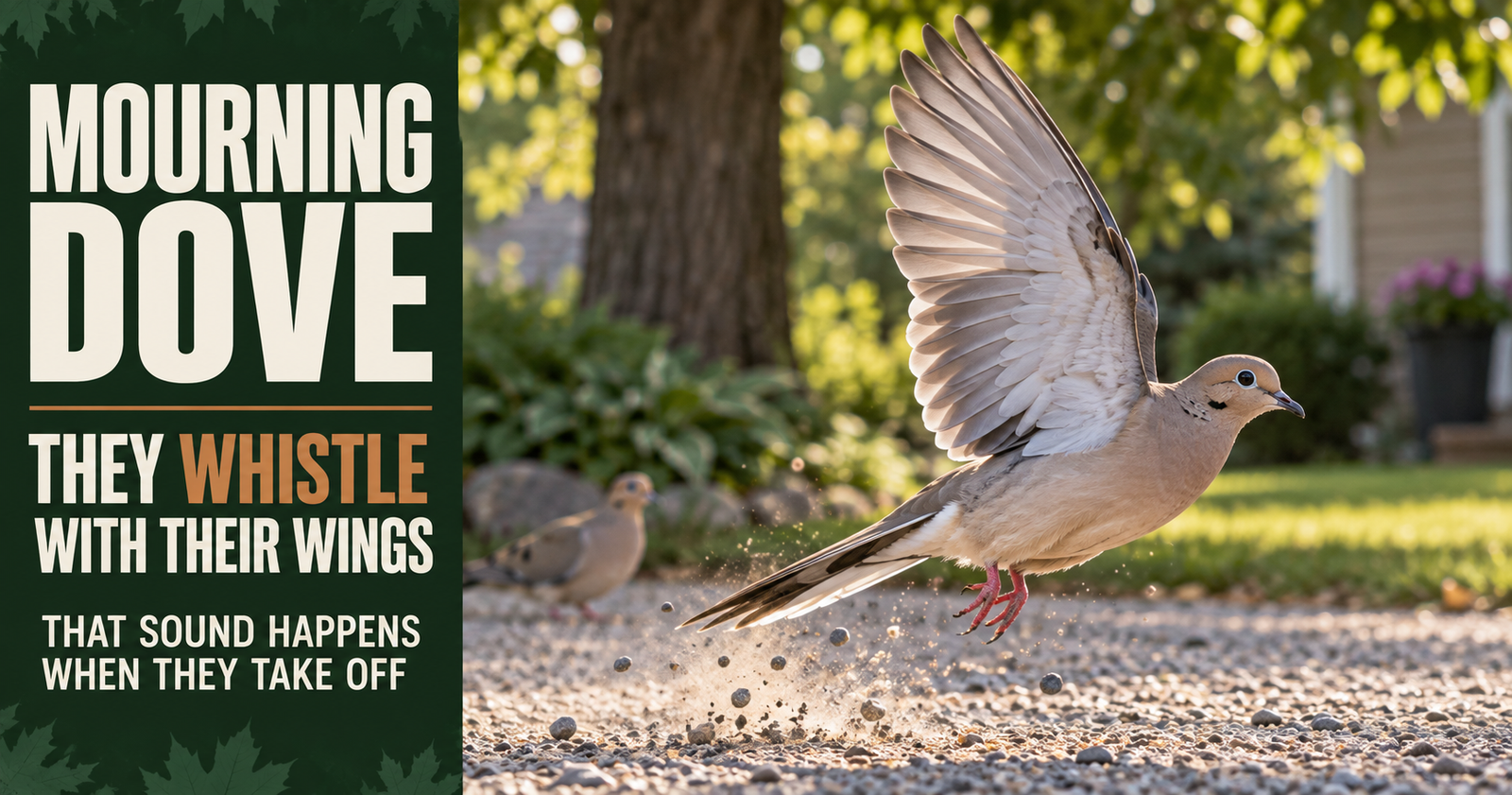
Do Mourning Doves Take Dirt Baths?
Mourning Doves are better known for their ground feeding and their ability to bathe in water or rain.
I wouldn’t assume that every Mourning Dove sitting low against the ground is dust bathing.
It may simply be resting.
It could also be foraging or behaving in another normal way.
I’d look for the actual dust-bathing movements before labeling the behavior.
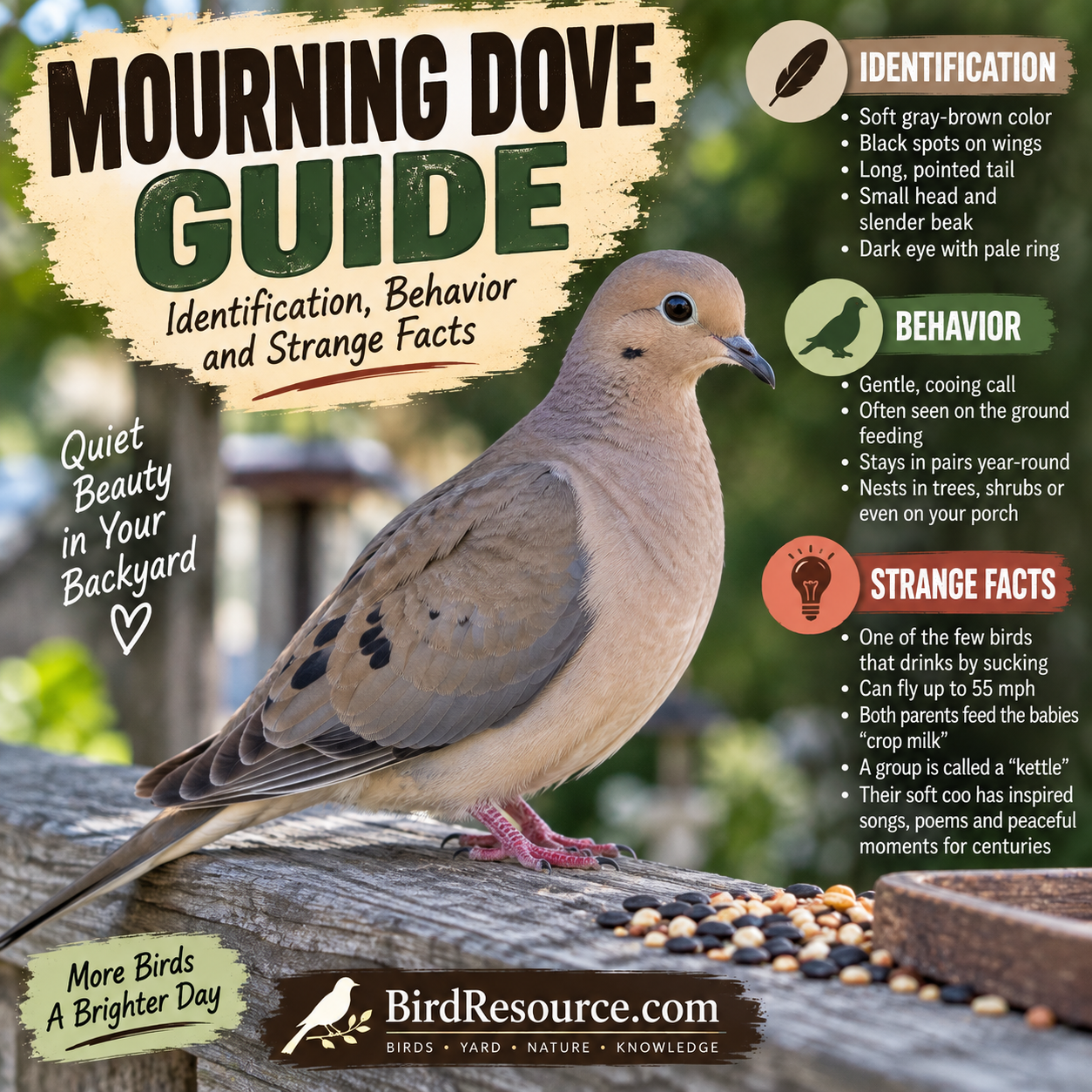
Our Mourning Dove identification and behavior guide covers several other behaviors that make these familiar backyard birds interesting to watch.
Common Questions About Birds Taking Dirt Baths
Why do birds roll around in dry dirt?
Birds use dust baths to help maintain their feathers. Fine dust can absorb excess oils and help loosen debris.
Are birds cleaning themselves when they take dirt baths?
Yes. Although the behavior looks messy, dust bathing is a normal form of feather maintenance.
Why do chickens roll around in dirt?
Chickens dust bathe to maintain their plumage. They often settle into loose soil and use their wings and body movements to work dust through their feathers.
Do birds take dirt baths to get rid of mites?
Dust bathing may help with some external parasites, but it shouldn’t be considered a guaranteed treatment for mites or other infestations.
Do birds prefer dirt baths or water baths?
That depends on the species. Some birds use both, while others are more commonly observed bathing in water.
Why does a bird look injured while dust bathing?
The wing movements, body rolling, and unusual posture can resemble distress. A healthy dust-bathing bird should eventually stand and move normally.
Can I make a dirt bath for wild birds?
You can preserve or provide an accessible area of clean, loose, dry soil. Keep it away from obvious predator hiding places and avoid adding unnecessary chemicals.
That Dusty Bird Might Be Doing Something Surprisingly Useful
I think this is one of those behaviors that becomes much more interesting once you know what you’re watching.
At first, a bird flopping around in dry soil can look ridiculous.
Then you notice the pattern.
The bird settles down.
Works the dust through its feathers.
Shakes everything out.
And goes right back to behaving normally.
It’s not necessarily playing.
It’s not necessarily sick.
And it certainly isn’t trying to get dirty just for the fun of it.
That little patch of dirt may be part of the bird’s regular grooming routine.
The next time I noticed a bird rolling around in dry soil, I’d watch long enough to see what happened afterward.
Sometimes the most interesting bird behavior isn’t happening at the feeder or inside a nest.
It’s happening in an ordinary patch of dirt that most people wouldn’t think to look at twice.
Caleb Whitmore is a Bird Behavior Contributor for BirdResource.com, where he explores the unusual habits of backyard birds and explains how everyday observations can help people better understand the wildlife around their homes.