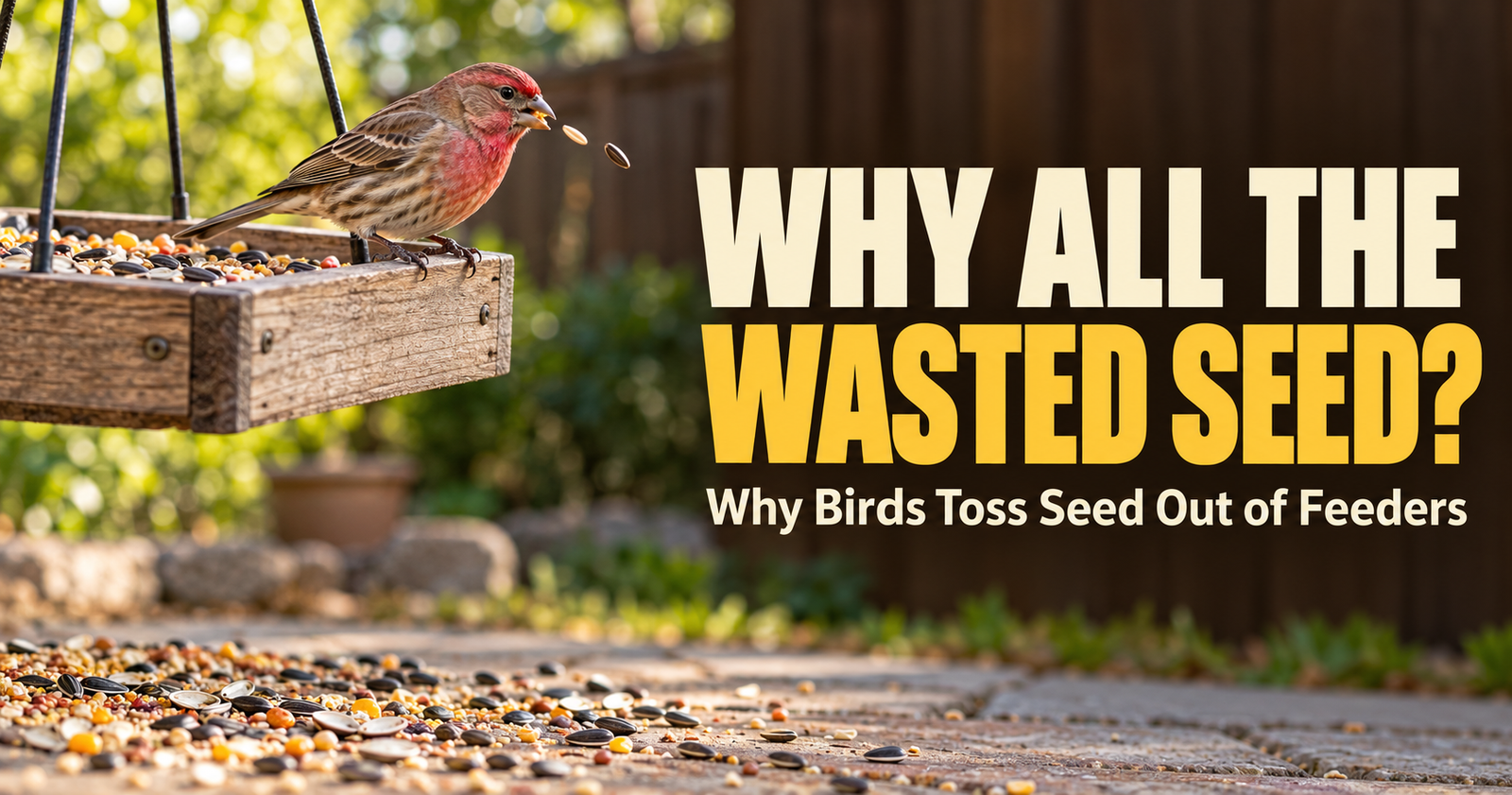
I started noticing how much birdseed was ending up underneath the feeder and honestly thought the birds were wasting half of what I put out.
Not just empty sunflower shells either.
There were actual seeds down there.
Millet.
Little pieces of corn.
Stuff that looked perfectly edible to me.
I’d fill the feeder, birds would show up, and before long it looked like somebody had stood above the grass throwing handfuls of birdseed around.
For a while, I blamed the feeder.
Maybe the openings were too big.
Maybe the wind was knocking seed out.
Then I actually watched the birds eat.
That’s when I realized something.
They weren’t necessarily being sloppy. Some of them were sorting through dinner.
A bird would reach into the mix, move seed around, grab something it apparently wanted and send other pieces flying.
Once I noticed that, the mess underneath my feeder stopped looking quite so random.
I Started Looking at What Was on the Ground
This is the first thing I’d do before blaming the birds.
Don’t just look at the amount of seed underneath the feeder.
Look at which seed is down there.
That’s a much better clue.
If the feeder contains a mix of:
black oil sunflower,
millet,
milo,
cracked corn,
and other ingredients,
but nearly all the sunflower disappears while piles of something else accumulate underneath, the birds may be telling you exactly what they prefer.
They’re basically reviewing your birdseed one piece at a time.
And some ingredients aren’t getting five stars.
I Watched One Bird Dig for What It Wanted
Once I started paying attention, I noticed how differently birds approach mixed seed.
Some grab whatever is closest.
Others seem much pickier.
A bird may push its bill into the feeder and move several seeds before selecting one.
That movement can send unwanted seed over the edge.
From across the yard it looks like:
grab seed, throw seed, grab seed, throw seed.
But the bird may actually be searching for a preferred food buried underneath.
This is one reason I don’t automatically think a giant bag containing twelve different ingredients is better than a simpler seed.
More variety for us doesn’t necessarily mean more useful food for the birds visiting our particular yard.
The Ground Became My Birdseed Review Section
This is probably the easiest experiment anyone with a feeder can do.
Before refilling, I’d clean underneath it.
Not perfectly.
Just enough that I can tell what’s newly falling.
Then I’d refill the feeder with the same mix I’ve been using.
Twenty-four hours later, I’d look underneath again.
What accumulated?
Sunflower shells don’t count the same as whole sunflower seeds.
A cracked shell means the bird probably ate what was inside.
A whole untouched seed tells me something different.
I’d separate a handful of what’s underneath and actually look at it.
That five-minute check could tell me more about whether my seed mix is working than the picture printed on the bag.
Some of That “Wasted Seed” Isn’t Seed Anymore
This fooled me at first.
Sunflower shells can make the ground underneath a feeder look like it’s covered in wasted food.
But many birds remove the kernel and discard the hull.
So the shell falls.
The food doesn’t.
That distinction matters.
Before deciding birds are wasting expensive sunflower seed, I’d pick up some of the material and check.
Is it a full seed?
Or an empty hull?
You may be looking at the bird equivalent of a pile of peanut shells after somebody already ate the peanuts.
Messy?
Yes.
Waste?
Not necessarily.
Mixed Seed Can Make the Problem Much More Obvious
This is where I think cheap birdseed sometimes creates a false bargain.
A big bag may cost less per pound.
But what if the birds throw a substantial portion onto the ground while digging for the ingredients they actually want?
The price per pound isn’t nearly as impressive anymore.
I’d rather buy ten pounds the birds mostly eat than twenty pounds where a huge amount ends up sprouting underneath the feeder.
That doesn’t mean every inexpensive mix is bad.
And it doesn’t mean every bird rejects the same ingredients.
Different species eat different foods.
The point is to watch what your birds are actually selecting.
The Bird Throwing Millet Might Not Mean Millet Is Bad
This is where I wouldn’t jump to conclusions from one feeder.
Suppose a cardinal is digging through a mix and millet keeps falling out.
That doesn’t mean millet is useless birdseed.
Mourning Doves, sparrows and other ground-feeding birds may happily eat it after it reaches the ground.
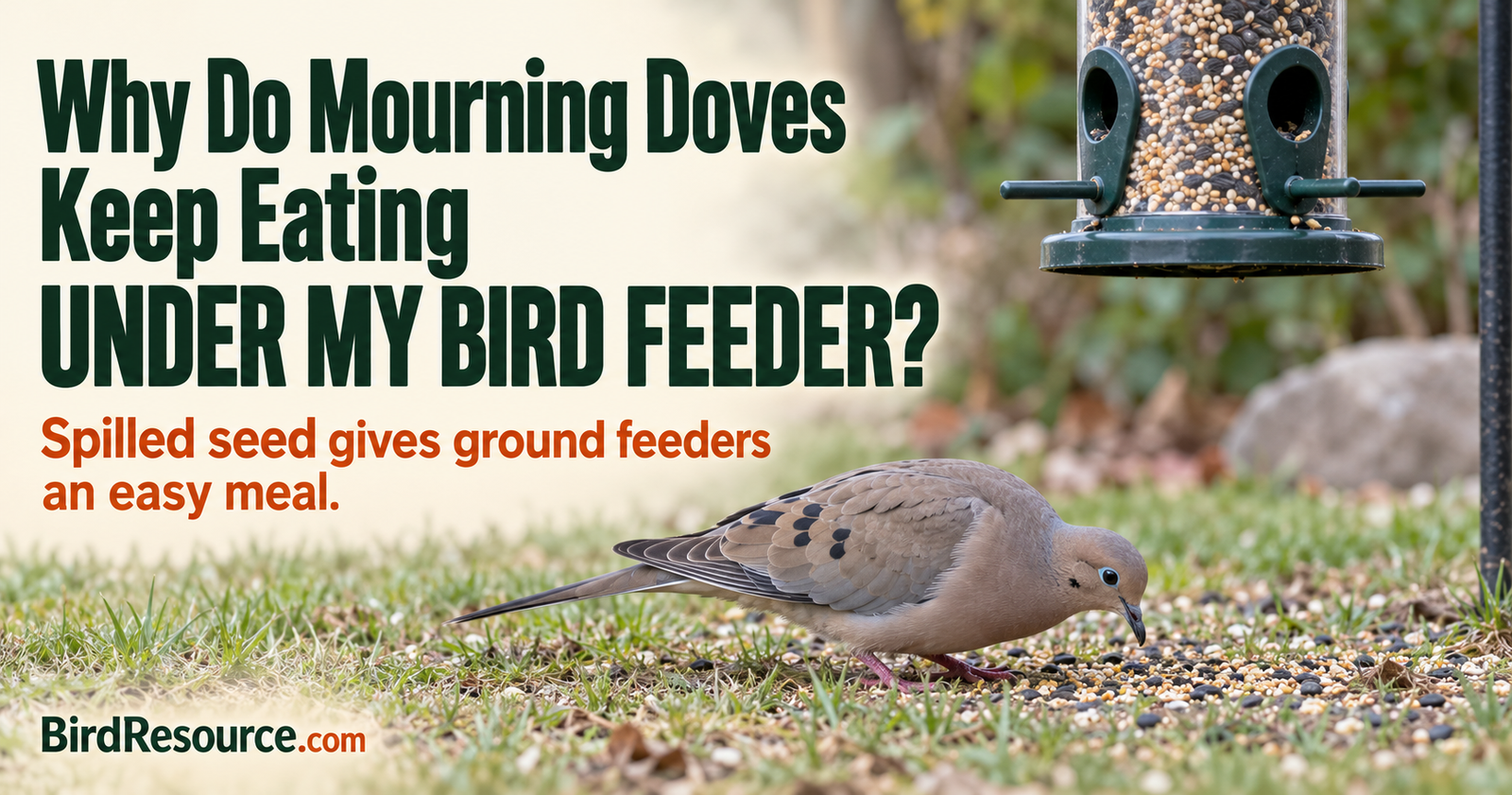
We’ve seen exactly why Mourning Doves spend so much time eating underneath bird feeders.
One bird’s rejected seed can become another bird’s breakfast.
So I’d watch the ground too.
Does the fallen seed remain there for days?
Or does another group of birds clean it up every morning?
Those are completely different situations.
Sometimes the Bird Really Is Just Making a Mess
I don’t want to give birds too much credit.
Not every seed flying out of a feeder represents a carefully considered dietary decision.
Birds move quickly.
They land hard.
They shuffle around.
They fight.
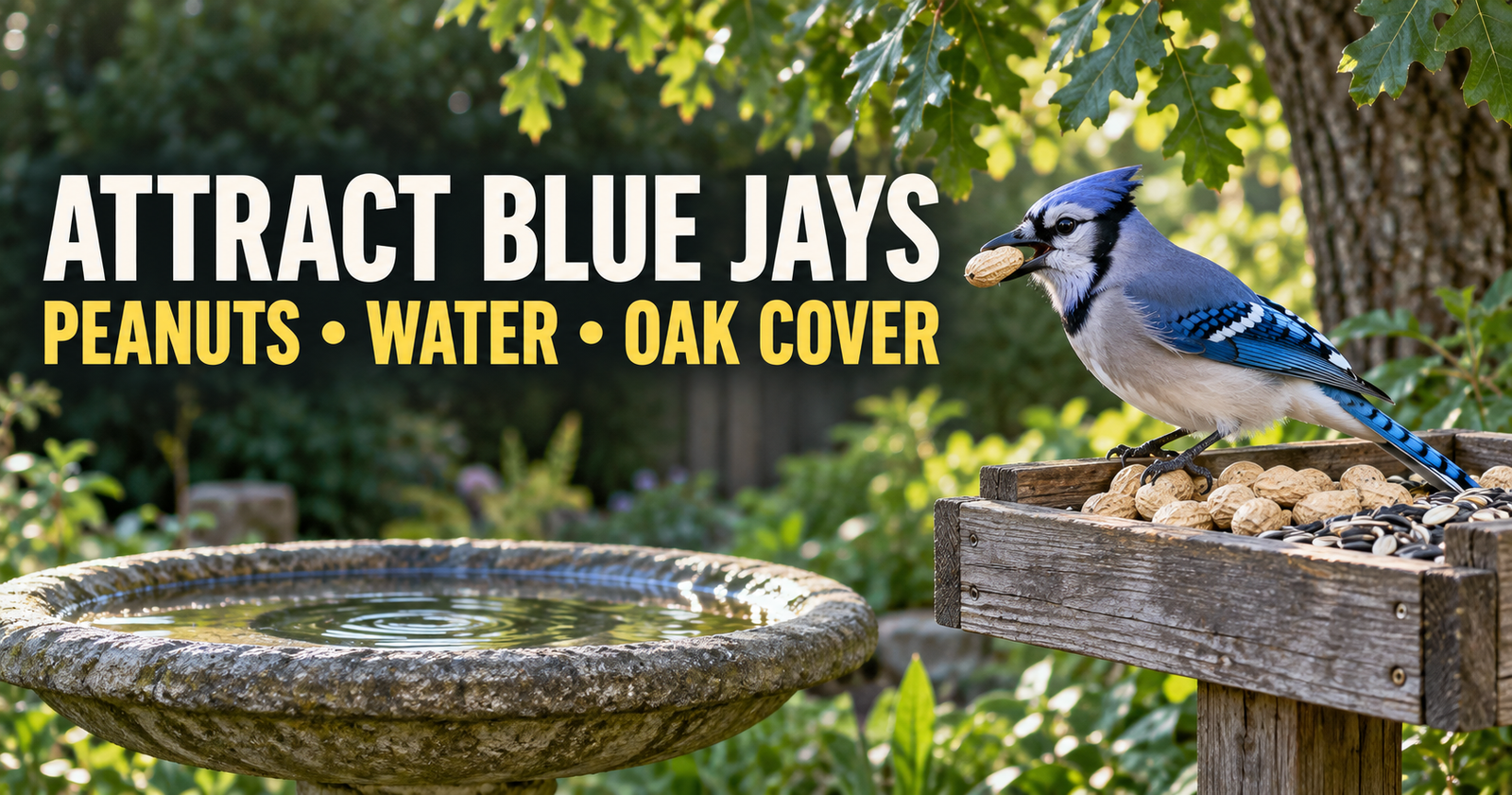
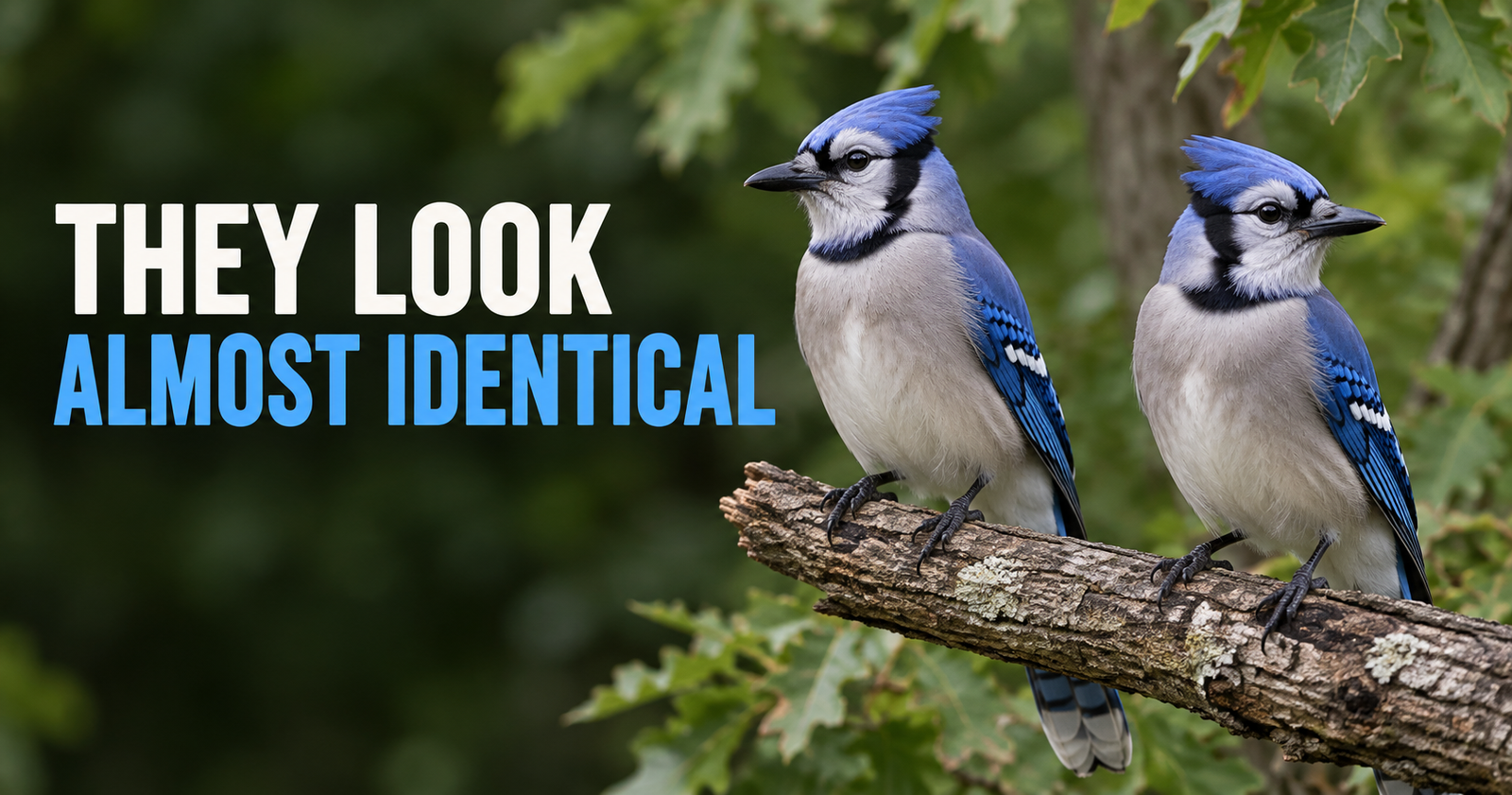
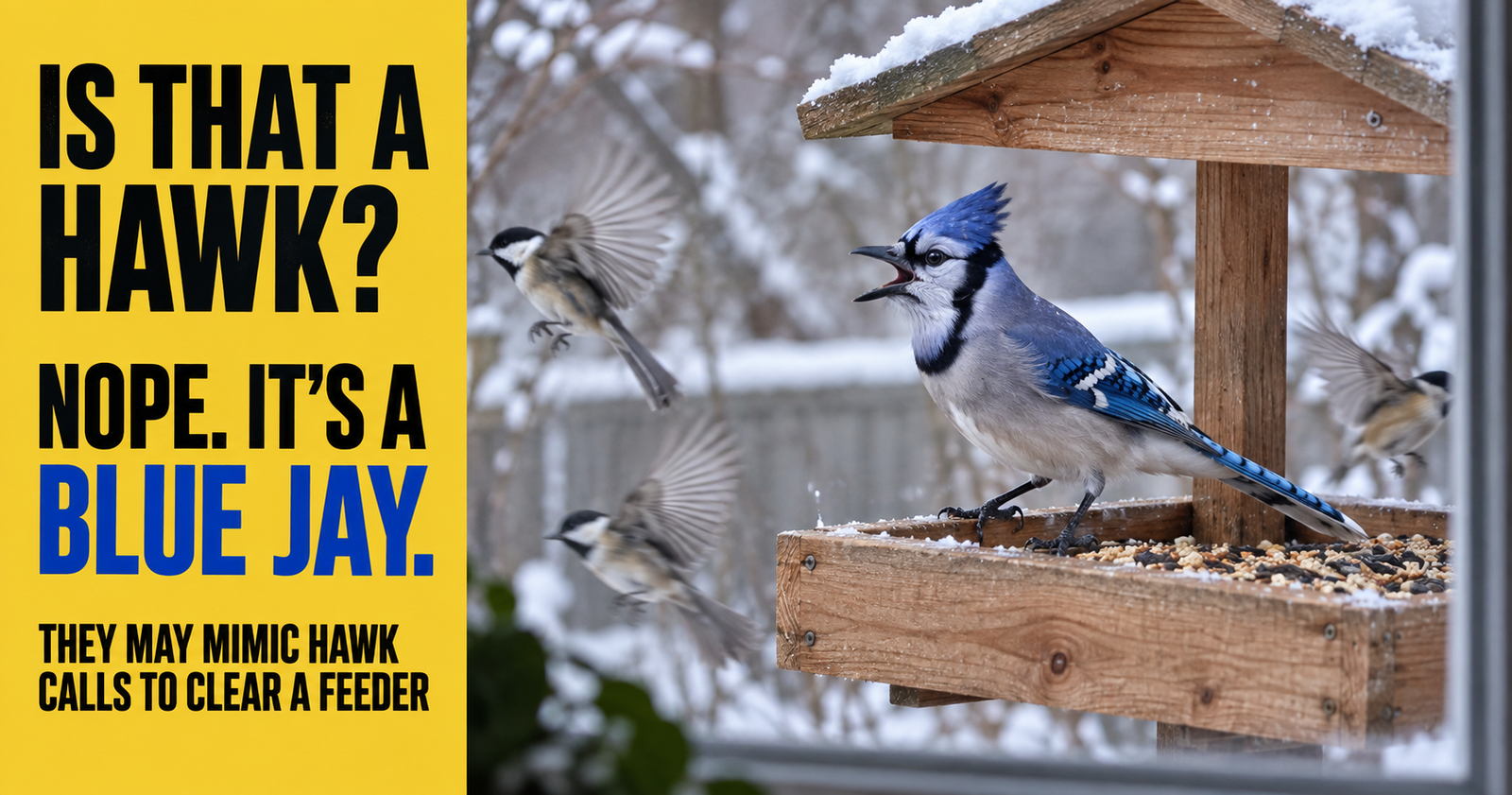
A Blue Jay can make a small feeder look like it just experienced severe weather.
Seed gets knocked loose.
Wind moves it.
Squirrels certainly don’t help.
So I wouldn’t look at three seeds underneath a feeder and announce that the birds hate the mix.
I’m looking for a pattern.
Lots of the same whole seed accumulating day after day gets my attention.
I Would Check the Feeder Opening Too
Sometimes the feeder really is part of the problem.
If seed pours out every time a bird lands, that’s not food selection.
That’s equipment.
I’d gently move the feeder when no birds were around.
Does seed spill easily?
Does wind rock it enough to dump food?
Are the feeding ports damaged?
Is a tray missing?
Has a squirrel enlarged an opening?
The easiest test is watching the feeder when a bird lands.
If seed rains out before the bird even starts digging, I’d stop blaming the bird.
Squirrels Can Make Birds Look Guilty
This one is worth checking.
You come outside.
Seed everywhere.
Birds around the feeder.
Case closed.
Except maybe a squirrel spent fifteen minutes digging through it before you got there.
Squirrels can scatter an impressive amount of seed while searching for preferred pieces.
A basic trail camera or outdoor security camera can answer this quickly.
I’d rather catch the real culprit than keep changing birdseed because I blamed a chickadee for what a squirrel did at sunrise.
I Started Thinking About the Feeder as Two Feeding Stations
This changed how I looked at the mess.
There’s the feeder above.
Then there’s the ground below.
Different birds use them.
Finches and chickadees may spend more time above.
Mourning Doves and some sparrows may spend more time below.
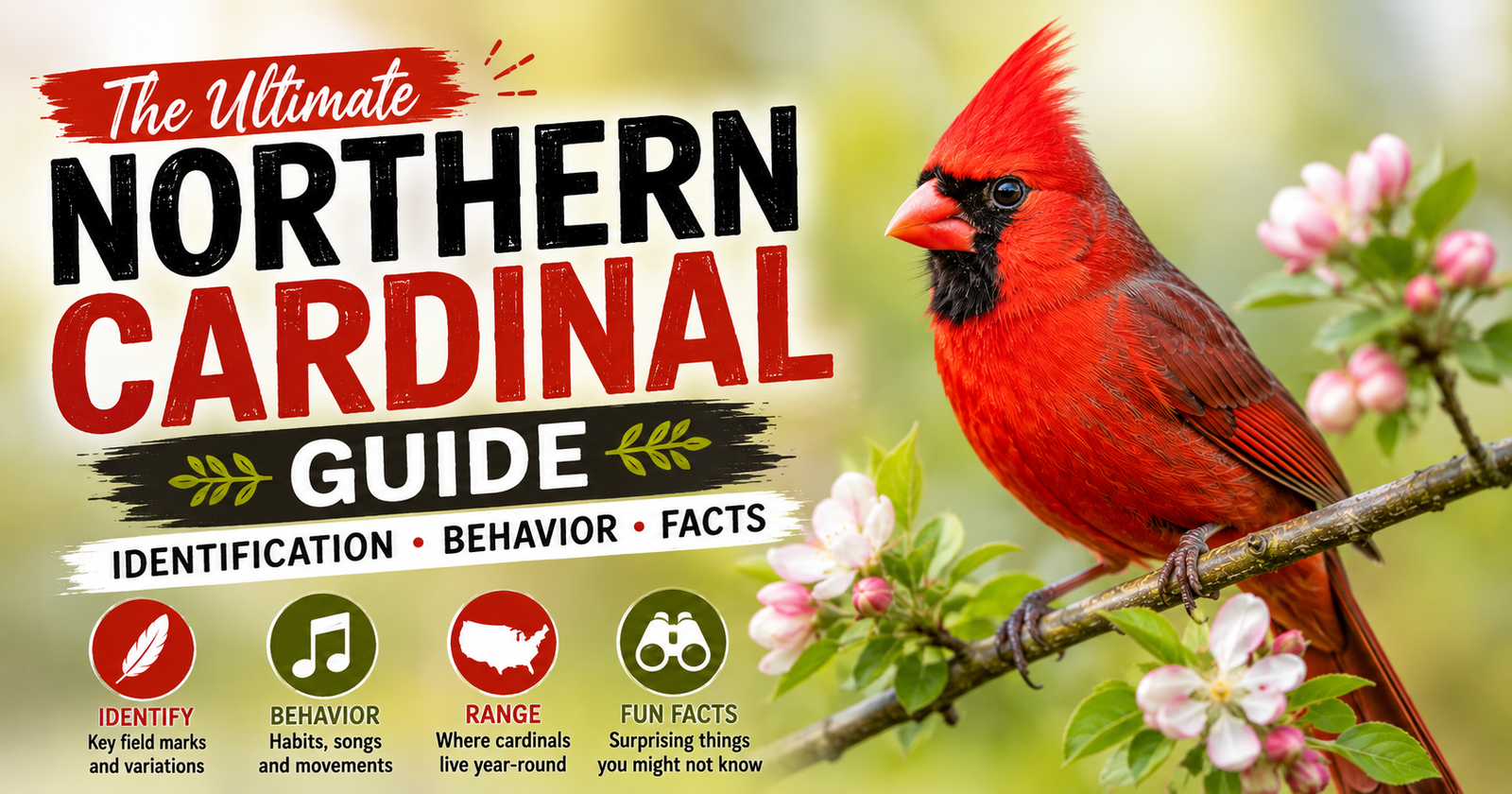
Cardinals may use both depending on the setup.
Suddenly some of the spilled seed isn’t necessarily wasted at all.
It’s simply been moved from feeding station number one to feeding station number two.
That’s fine with me as long as birds are actually eating it and the ground isn’t turning into a pile of wet, rotting food.
The Part That Would Make Me Change Seed
Here’s where I’d finally do something.
If I consistently found large amounts of the same whole seed underneath the feeder and birds weren’t eating it from the ground either, I’d stop buying so much of that ingredient.
I wouldn’t wait until the bag was empty and buy the exact same thing again.
I’d try a simpler mix.
Or a seed I already know the birds are selecting.
Then I’d clean underneath the feeder and compare again.
Did the amount of waste drop?
That’s an actual useful result.
I’d Measure the Waste Once Just for Fun
This is a little nerdy, but I’d genuinely try it.
Clean underneath the feeder.
Fill it with a known amount of birdseed.
Maybe two pounds.
After several days, collect as much of the whole uneaten seed underneath as reasonably possible.
Ignore shells.
Weigh the rejected seed.
Even if the measurement isn’t laboratory-perfect, you’d get an idea of what’s happening.
Imagine discovering that a noticeable portion of every bag is ending up untouched on the ground.
Now choosing a different mix isn’t just about making the birds happy.
It could save money.
The Seedlings Underneath the Feeder Are Another Clue
Sometimes you don’t even need to watch the birds.
Look down.
If one type of plant keeps sprouting underneath the feeder, that tells you whole viable seeds are reaching the soil.
That doesn’t automatically mean birds dislike them.
Some simply get spilled.
But a thick patch of the same seedling makes me curious.
I’d compare what is growing with the ingredients in the mix.
You may literally be watching the rejected portion of your birdseed turn into a garden.
Wet Seed Is Where I Stop Thinking of It as Harmless Mess
A little dry seed on the ground isn’t something I’d panic over.
A thick layer of old wet seed is different.
Moisture can promote mold and spoilage.
Droppings accumulate around busy feeding areas too.
Cornell’s Project FeederWatch recommends regularly cleaning feeders and removing accumulated seed waste and droppings around feeding areas. If feeding activity has stopped altogether, why feeder birds suddenly disappear explains what to check before replacing the feeder.
That’s where I’d draw the line.
If birds aren’t cleaning up what’s underneath, I need to.
I don’t want yesterday’s rejected food sitting there through rain while I keep adding more above it.
What I’d Try Before Buying a Different Feeder
I’d do this in order.
First, clean underneath.
Second, refill with a smaller amount of the current seed.
Third, watch which ingredients birds actually choose.
Fourth, check the ground the following day.
Only then would I change something.
Maybe the mix is the problem.
Maybe the feeder spills.
Maybe squirrels are responsible.
Maybe nothing is actually being wasted because Mourning Doves clean everything up at sunrise.
Without watching, I’m guessing.
A Camera Could Settle This Overnight
This is another place where those inexpensive outdoor cameras become genuinely useful.
Point one toward the feeder.
Don’t worry about getting beautiful bird photography.
You want behavior.
Which bird is throwing seed?
Does it happen every visit?
What seed is it choosing?
Do squirrels show up?
Who eats underneath afterward?
You might discover that the “wasteful bird” you’ve been blaming isn’t responsible at all.
That’s exactly the kind of small backyard mystery I like because the answer can be sitting in ten minutes of video.
Common Questions About Birds Throwing Seed Out of Feeders
Why do birds throw birdseed out of the feeder?
They may be searching through a mix for preferred seeds. Seed can also spill as birds move, land, compete or dig through food.
Are birds looking for a particular seed?
Often, yes. Different species have different food preferences, and individual birds may sort through mixed seed to reach foods they prefer.
Why is there so much sunflower seed under my feeder?
Check whether you’re seeing whole sunflower seeds or empty hulls. Many birds remove the kernel and discard the shell.
Do Mourning Doves eat seed that falls from feeders?
Yes. Mourning Doves naturally forage on the ground and frequently eat seed underneath feeders.
Should I stop using mixed birdseed?
Not automatically. Watch what your birds actually eat. If one ingredient repeatedly accumulates untouched, a different or simpler mix may reduce waste.
Why is birdseed growing underneath my feeder?
Whole seeds that fall to the soil can germinate. Large amounts of the same seedlings may reveal which seeds are being spilled or left uneaten.
How do I stop birds from wasting so much seed?
Start by determining whether it’s really waste. Check for empty hulls, feeder spillage, squirrels and ground-feeding birds. If whole unwanted seed consistently accumulates, change the mix.
Now I Look Down Before I Refill the Feeder
That’s the habit this gave me.
Before pouring more seed in, look underneath.
The ground tells you what happened to the last batch.
Empty shells?
Good.
A few scattered seeds being eaten by doves?
Fine.
Half the mix sitting untouched?
Now I want to know why.
Once I started thinking that way, the mess underneath the feeder stopped being only something to clean up.
It became information.
The birds were basically sorting my purchase for me.
Eat this.
Don’t want that.
Throw this one downstairs for the doves.
And once you learn to read what’s accumulating underneath, you may realize the best birdseed isn’t necessarily the bag with the longest ingredient list.
It’s the one that actually gets eaten.
Russell Cade is a Backyard Bird Feeding Contributor for BirdResource.com, where he writes about the small feeder problems that make you stop, watch what the birds are actually doing, and realize they’re often telling you the answer themselves.