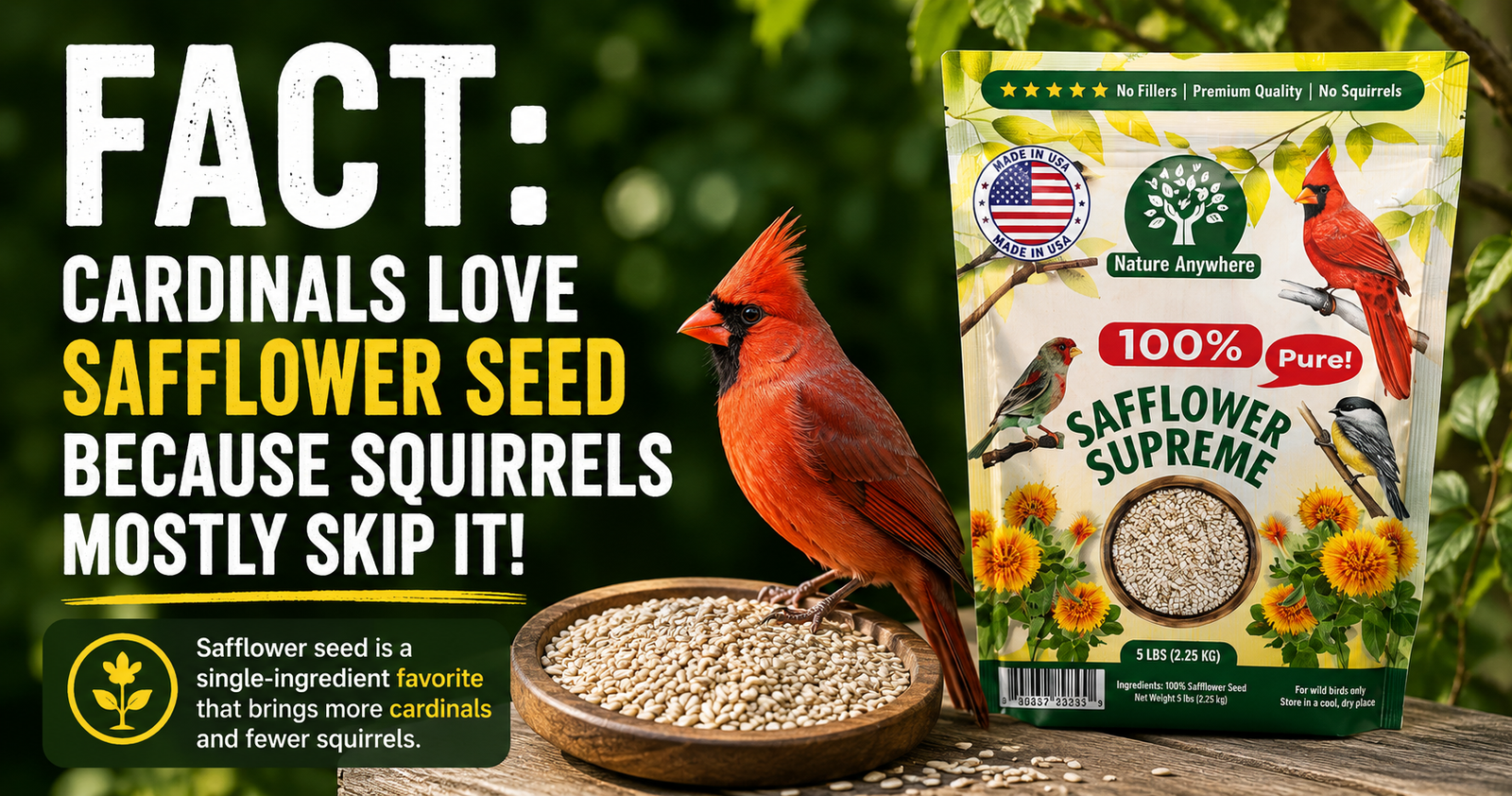
If you’re trying to attract cardinals but feel like you’re mostly buying expensive birdseed for squirrels, safflower seed is one of the first foods I’d try.
Northern Cardinals readily eat it. Audubon’s bird-feeding guidance specifically lists safflower as a seed eaten by cardinals, and Cornell Cooperative Extension describes its thick shell as difficult for some birds to crack but a favorite among cardinals.
There’s another reason safflower has become so popular around backyard feeders:
Many squirrels don’t seem nearly as interested in it as they are in sunflower seed.
That’s the part that originally caught my attention.
I don’t expect safflower to magically make every squirrel disappear, and I definitely wouldn’t advertise it as “squirrel proof.” Some squirrels will eat it.
But if I’m trying to feed cardinals while making the feeder less appealing to squirrels, I think safflower is absolutely worth testing.
And you don’t need some complicated specialty cardinal blend to try it.
The product I’m looking at here is about as simple as birdseed gets: a 5-pound bag of single-ingredient safflower seed with no fillers.
That’s actually one of the things I like most about it.
The Safflower Seed I’d Try for Cardinals
The product we’re looking at is a 5-pound bag of safflower birdseed made for outdoor wild bird feeders.
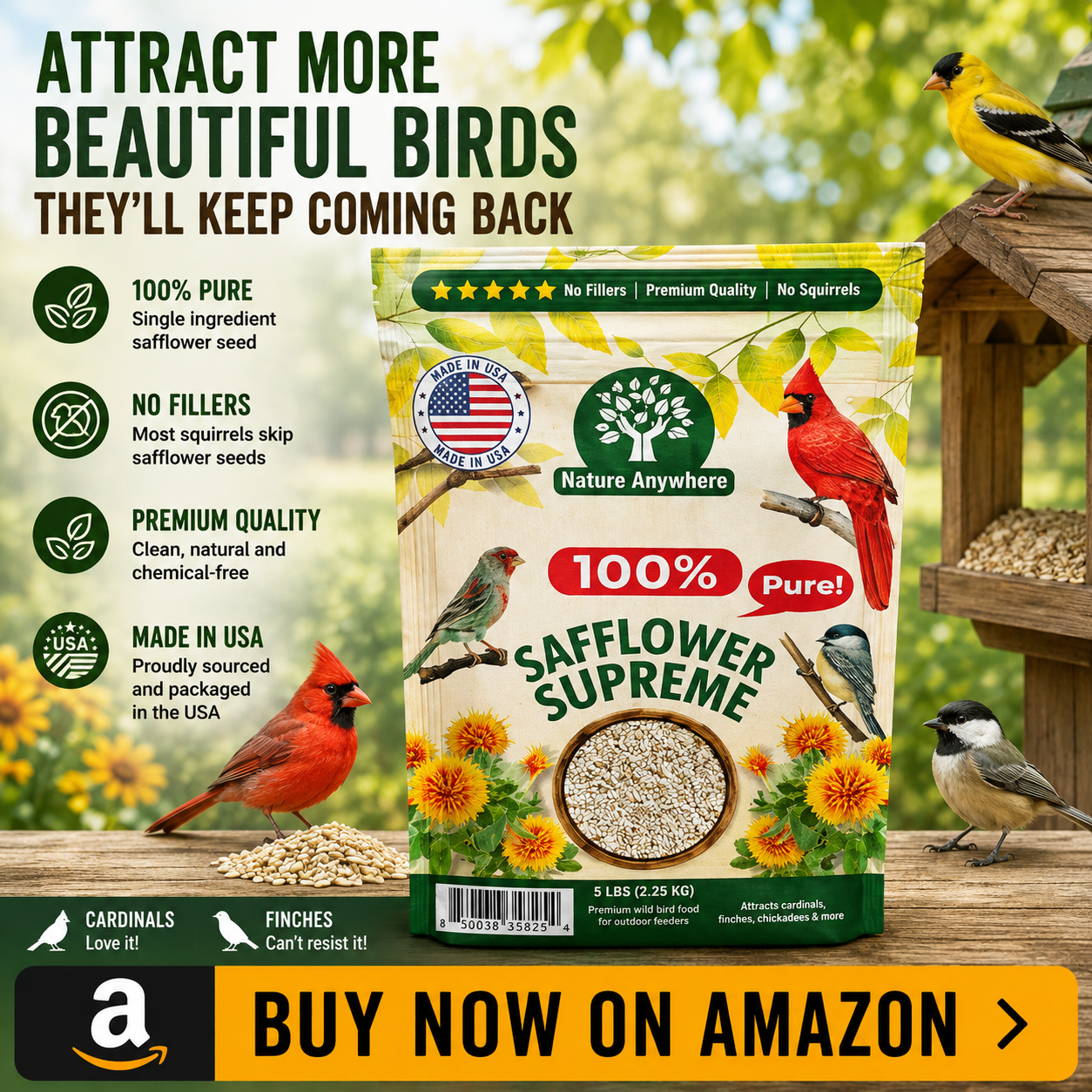
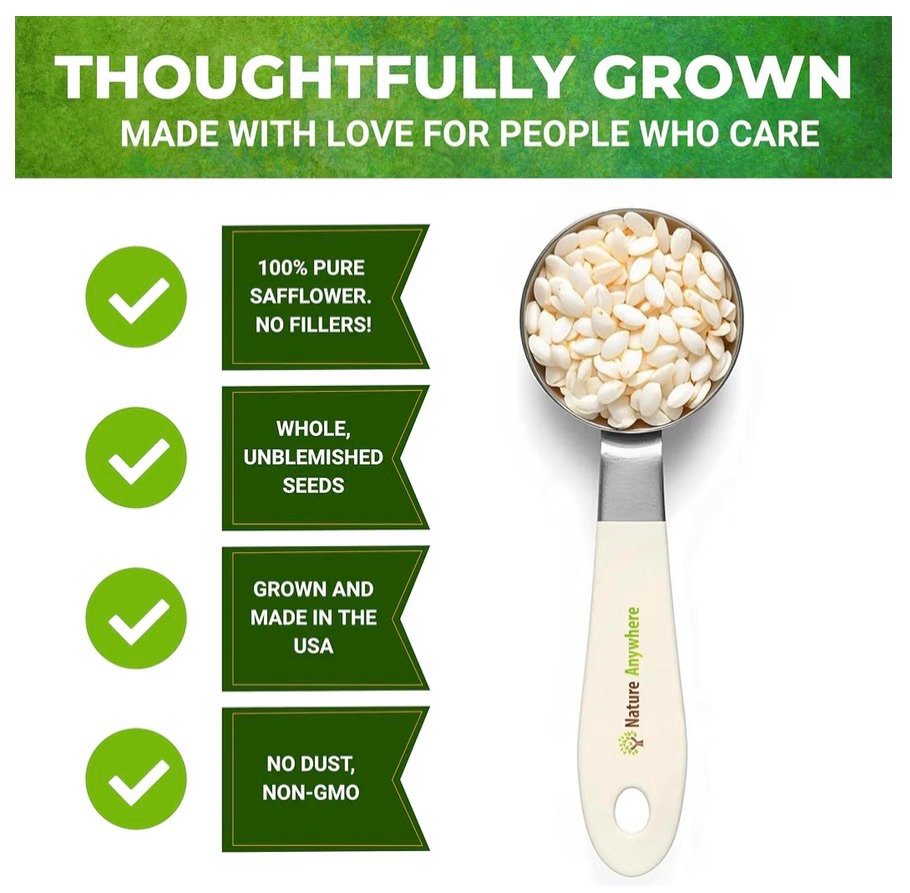
According to the product information, it’s:
100% safflower seed
No fillers
A single-ingredient bird food
Made in the USA
Intended for outdoor wild birds, including cardinals
And that’s really what I want from this type of product.
I don’t need a colorful “cardinal blend” containing six different ingredients when the whole reason I’m buying it is to test whether safflower itself works better at my feeder.
If you’re dealing with cardinals and squirrels competing over the same food, check out this 5-pound safflower birdseed for cardinals on Amazon and compare the current price before buying.
I especially like the single-ingredient approach because you know exactly what’s going into the feeder.
No mystery filler.
No cheap seed taking up half the bag.
Just safflower.
Do Cardinals Actually Eat Safflower Seed?
Yes.
This isn’t one of those bird-feeding tricks that exists only because somebody repeated it on social media.
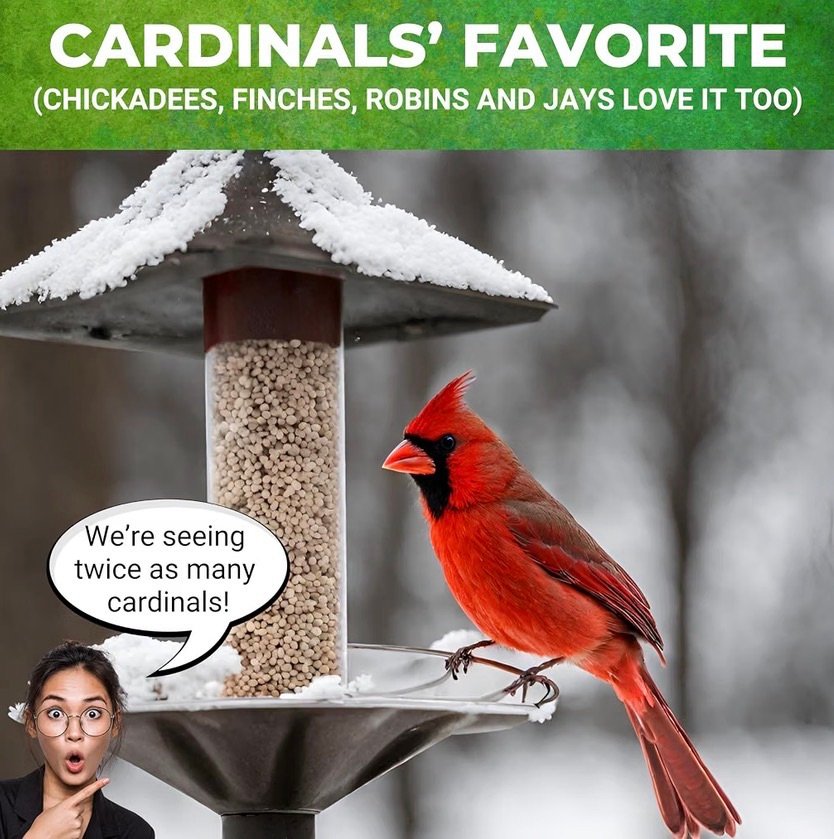
Audubon’s birdseed guidance says safflower is readily eaten by cardinals, grosbeaks, sparrows, and doves. Its current Northern Cardinal guidance also says cardinals will readily eat safflower, although black oil sunflower remains an especially strong choice for attracting them.
That’s an important distinction.
I wouldn’t tell you:
“Safflower is unquestionably the best food a cardinal can possibly eat.”
That’s too strong.
If my only goal were attracting as many cardinals as possible and squirrels weren’t an issue, I’d absolutely keep black oil sunflower seed high on my list.
But safflower becomes particularly interesting when we’re trying to accomplish two things at once:
Feed cardinals.
Make the feeder less attractive to some unwanted visitors.
That’s where this seed earns its place.
Why Can Cardinals Eat Safflower So Easily?
Look at a Northern Cardinal’s bill.
It’s not a tiny, delicate insect-picking bill.
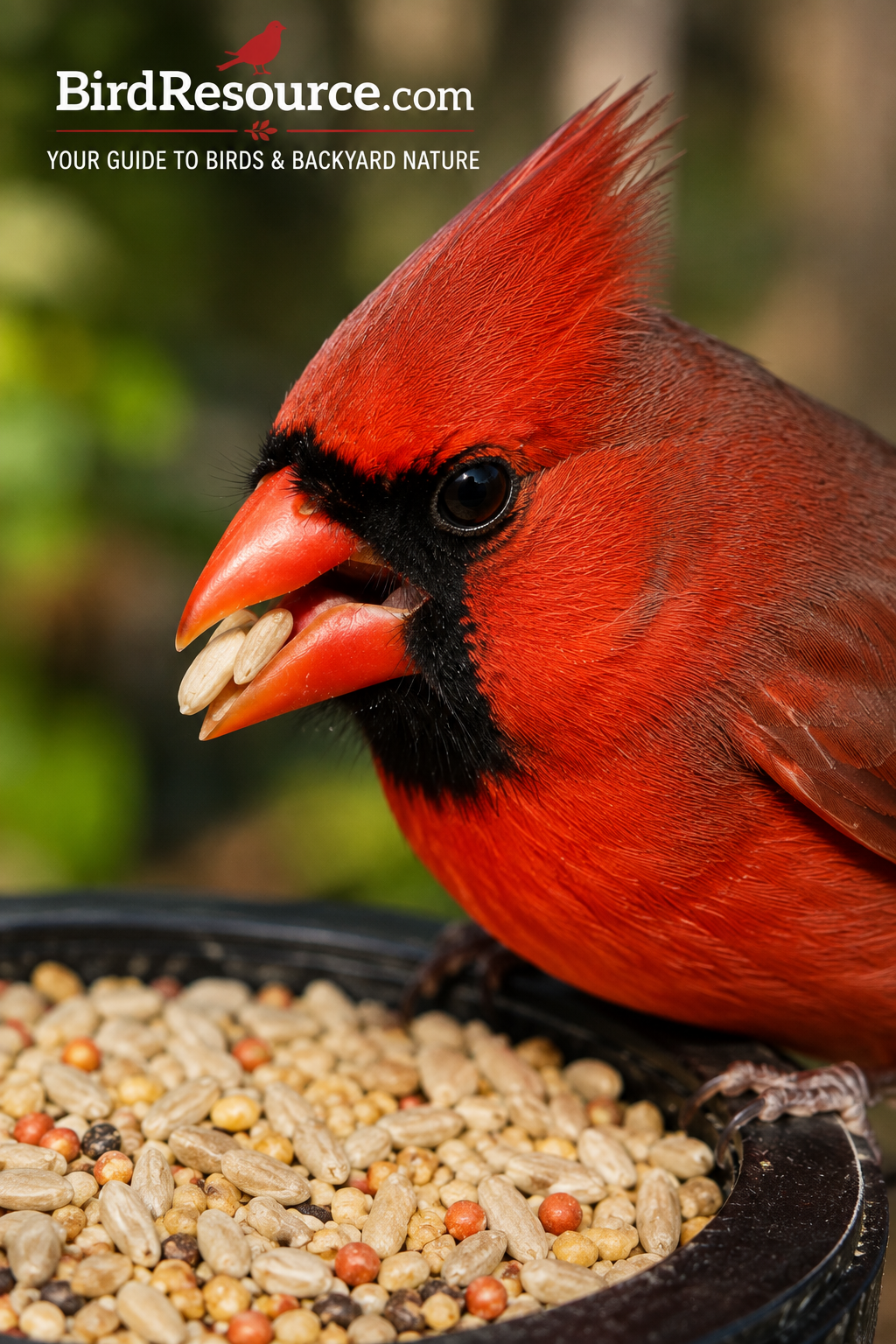
Cardinals have those unmistakable thick, powerful, cone-shaped bills built for handling seeds.
Safflower has a relatively tough shell, and Cornell Cooperative Extension specifically notes that the thick shell can make safflower difficult for some birds to open while cardinals readily eat it.
Watch a cardinal feeding and you’ll see that bill doing exactly what it was built to do.
The bird takes the seed.
Manipulates it in its bill.
Cracks the hull.
Gets to the edible portion inside.
Drops the unwanted hull.
Then grabs another.
That heavy cardinal bill isn’t just an identification feature.
It’s a feeding tool.
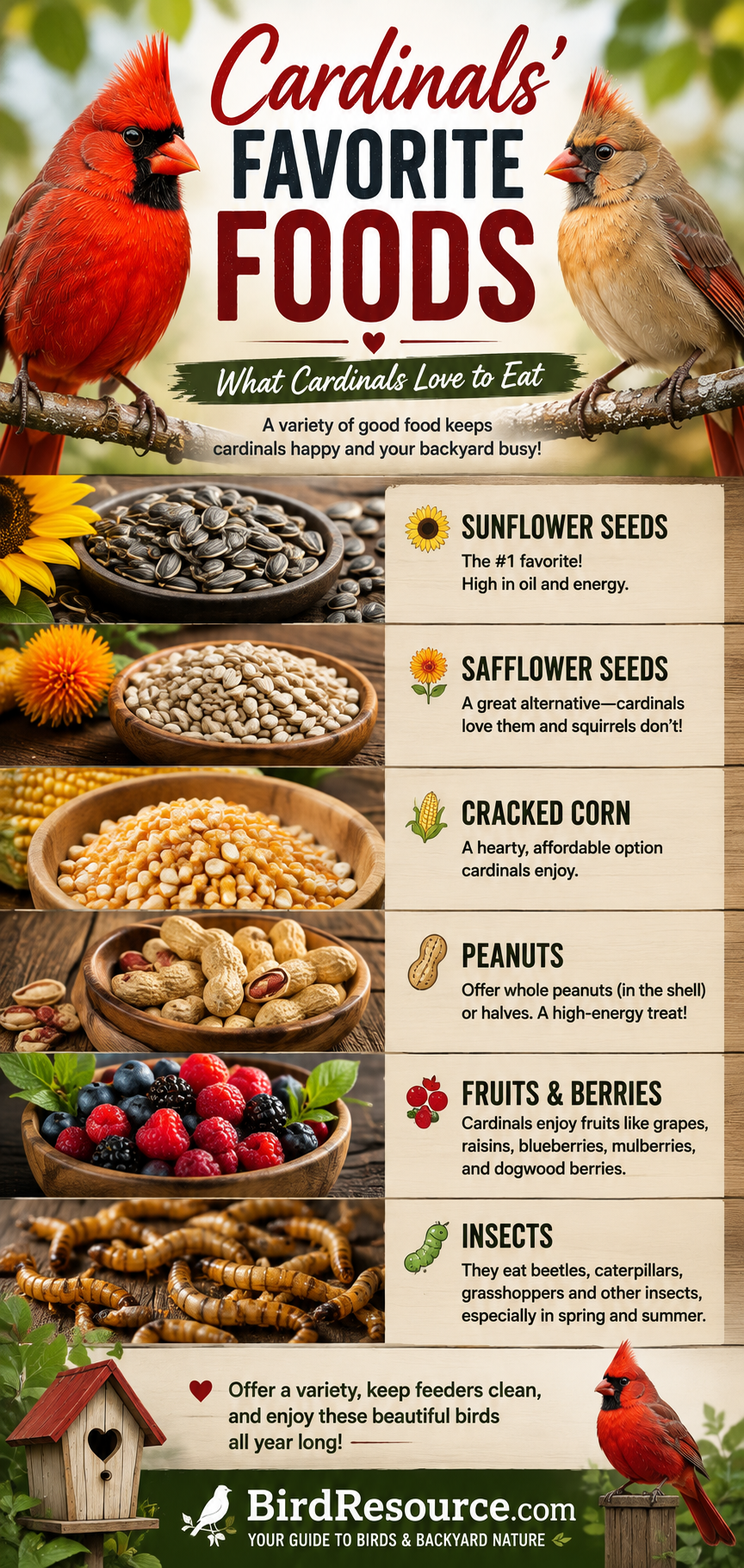
Our complete guide to what cardinals eat gets much deeper into how seeds fit into their natural diet alongside fruits, berries, insects, and other foods.
Does Safflower Seed Really Keep Squirrels Away?
This needs a little honesty because “squirrels hate safflower” gets repeated way too confidently.
Many squirrels do appear to find safflower less appealing.
Audubon’s birdseed guide says squirrels usually find safflower less appealing than sunflower seed. Cornell Cooperative Extension gives essentially the same warning I would: some sources report that squirrels dislike safflower, but squirrels in some areas appear to develop a taste for it.
Mass Audubon makes the same point. Safflower’s taste can make it unappealing to squirrels, but some squirrels can still develop a taste for it.
That’s why I prefer saying:
Safflower may discourage squirrels.
Not:
Safflower guarantees no squirrels.
There’s a huge difference.
If the squirrels in your yard ignore it, fantastic.
You may have found one of the easiest ways to reduce the amount of birdseed they’re stealing.
If your squirrels happily sit there eating safflower by the handful, you’ll need to combine your seed choice with better feeder placement, a squirrel baffle, or a squirrel-resistant feeder.
Why I Like This Better Than a “Squirrel-Proof” Seed Claim
There really isn’t a magical seed that creates an invisible force field around your bird feeder.
Wild animals adapt.
They’re hungry.
They investigate food.
Individual animals behave differently.
What I like about safflower is that the cardinal doesn’t have to dislike the food for the squirrel to potentially become less interested.
That’s the sweet spot.
We’re not sacrificing the bird we’re trying to attract just to annoy the squirrel.
If I put out something cardinals barely touch simply because squirrels hate it, I haven’t accomplished much.
Safflower is different because cardinals are documented safflower eaters.
Is This 5-Pound Safflower Seed Worth Buying?
For the right backyard, yes.
I’d especially consider it if you’re currently dealing with one of these situations:
Your squirrels are emptying sunflower feeders.
You specifically want to attract Northern Cardinals.
You want to test pure safflower without buying a giant bag.
You want seed without a bunch of filler ingredients.
You already see cardinals nearby but want to encourage them to visit your feeder.
That 5-pound size is actually something I like for someone trying safflower for the first time.
I wouldn’t necessarily buy 40 or 50 pounds of a new seed before knowing whether the birds around my property actually use it.
Start smaller.
See what happens.
If your cardinals love it and your squirrels mostly leave it alone, then buying larger quantities later makes sense.
See the current Amazon price for this pure safflower cardinal seed
What I Like Most About This Particular Birdseed
The biggest selling point for me isn’t fancy packaging.
It’s what isn’t in the bag.
Fillers.
A lot of inexpensive wild bird mixes look like tremendous deals because you get a huge bag for very little money.
But cheap birdseed isn’t necessarily inexpensive if the birds you’re trying to attract throw half of it onto the ground.
Audubon actually recommends offering different seeds separately when possible to help reduce waste.
That’s why a single-ingredient product makes sense here.
You’re buying safflower because you want safflower.
That’s exactly what you get.
What I Don’t Like About Safflower Seed
I don’t want this turning into one of those affiliate reviews where somehow the product has no drawbacks.
There are a few.
First, not every bird likes safflower.
That’s partly the point, but it means safflower isn’t necessarily the seed I’d choose if my goal were attracting the greatest possible variety of backyard birds.
Second, safflower can cost more than some common birdseed options.
Third, squirrels aren’t guaranteed to avoid it.
And fourth, if your cardinals have been eating sunflower seed from the same feeder for years, they may not instantly switch over just because you changed the menu Tuesday afternoon.
Give birds time to discover and adjust to a new food.
Safflower vs Black Oil Sunflower Seed for Cardinals
If you made me choose based purely on attracting cardinals, black oil sunflower is extremely difficult to beat.
Audubon’s current cardinal guidance specifically calls black oil sunflower the best bet for attracting Northern Cardinals. It also reports that safflower is readily eaten by them.
So why bother with safflower?
Squirrels.
And potentially some other feeder visitors you don’t particularly want dominating the food.
That’s why I see these seeds as solving slightly different problems.
Black oil sunflower: My general-purpose cardinal favorite.
Safflower: My cardinal seed to try when squirrels or certain nuisance birds are becoming a problem.
You don’t necessarily have to choose one forever.
Can I Mix Safflower With Sunflower Seed?
Absolutely.
In fact, this may be my favorite way to introduce it.
You don’t have to dump every sunflower seed out of the feeder and suddenly replace it with 100% safflower.
Try mixing safflower into food your cardinals already recognize.
Then watch what happens.
If they’re eating both, great.
If squirrels are picking through everything anyway, you’ll know the safflower advantage isn’t doing much in your particular yard.
If the cardinals keep feeding while squirrel activity drops, you can gradually increase the percentage of safflower.
This is backyard bird feeding.
You’re allowed to experiment.
Can I Feed Cardinals Only Safflower?
You can offer pure safflower in a feeder.
That’s exactly what makes a single-ingredient bag useful.
But I wouldn’t think of one feeder as supplying a cardinal’s complete diet.
Wild Northern Cardinals eat much more than birdseed.
Audubon describes their natural diet as including seeds, fruits, berries, flowers, buds, and insects.
Your feeder is supplemental food.
The cardinal is still out there finding natural food throughout its territory.
That’s another reason creating good habitat matters just as much as buying birdseed.
What Other Birds Eat Safflower Seed?
Cardinals aren’t the only ones.
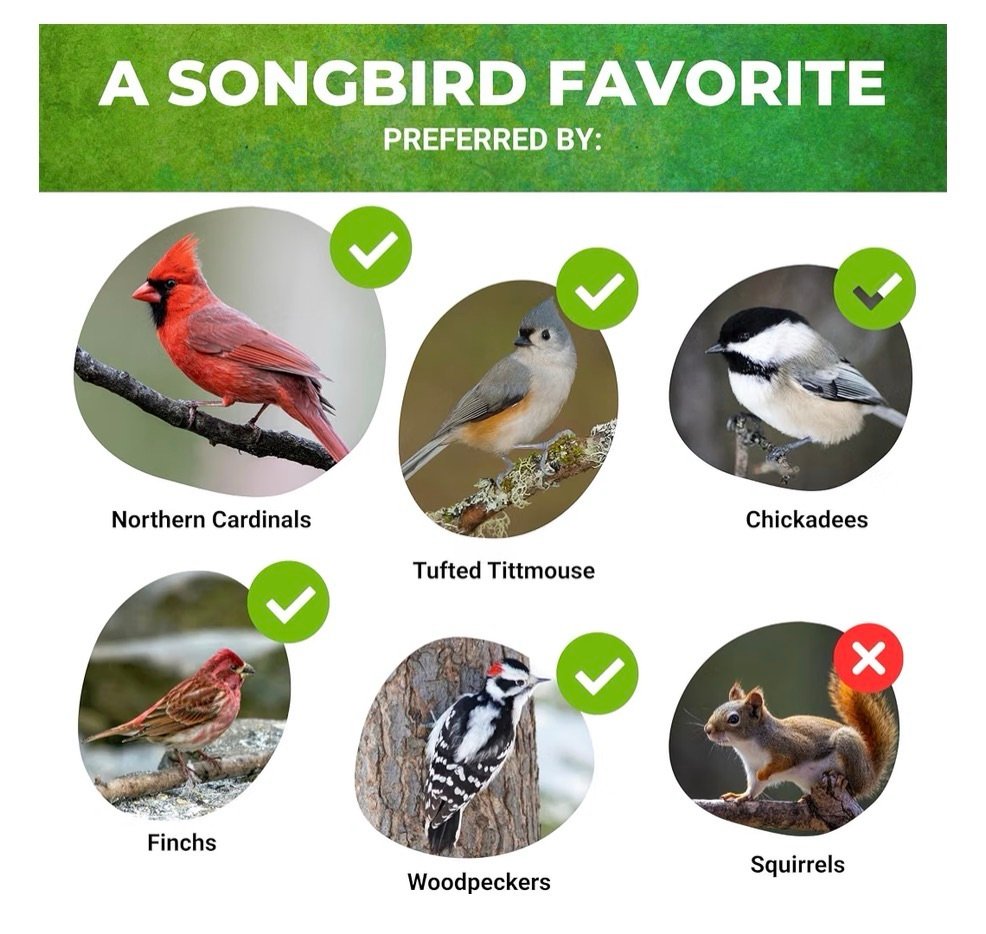
Audubon lists grosbeaks, sparrows, and doves among birds that readily eat safflower. Other feeding guidance also identifies chickadees, titmice, and some finches as safflower visitors.
That can be a nice bonus.
You’re buying it primarily because you’re interested in cardinals, but you may end up seeing several other species using the same feeder.
Don’t be surprised if Mourning Doves discover spilled seed underneath either.
They are remarkably good at figuring out where everybody else’s leftovers land.
What Kind of Feeder Should I Use for Safflower?
For cardinals specifically, I like a hopper or platform feeder.
Cornell Cooperative Extension specifically recommends tray and hopper feeders when offering safflower to cardinals and grosbeaks.
Audubon’s feeder guide also lists safflower as appropriate for hopper feeders, which accommodate larger birds such as cardinals.
A roomy platform is another straightforward option.
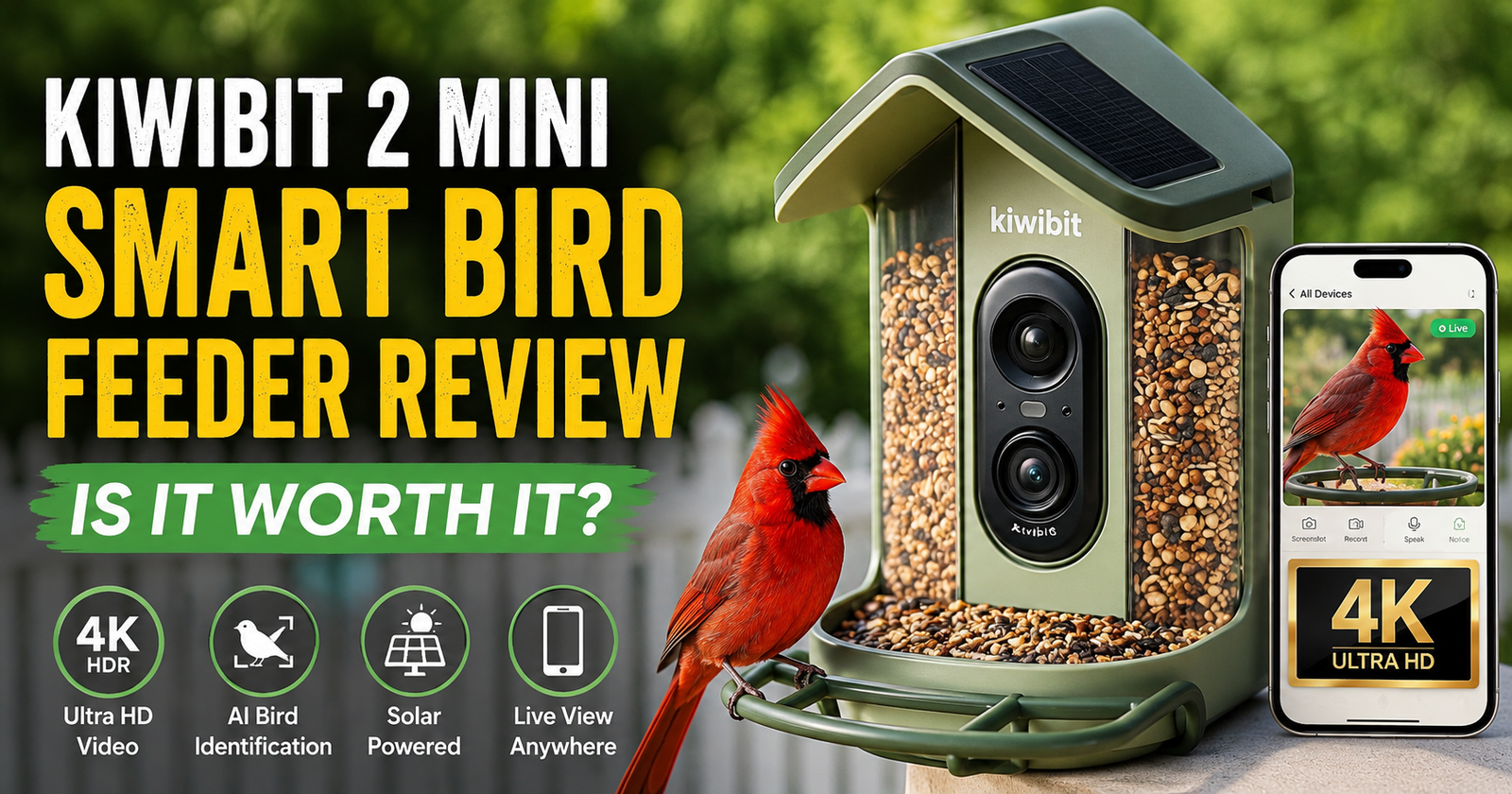
Cardinals are substantial enough that I don’t want them trying to balance on some ridiculously tiny perch just because the feeder technically holds safflower. If you also want to observe feeder visits remotely, a camera-equipped bird feeder can be another option to consider alongside perch comfort.
Give the bird room.
Where Should I Put the Feeder?
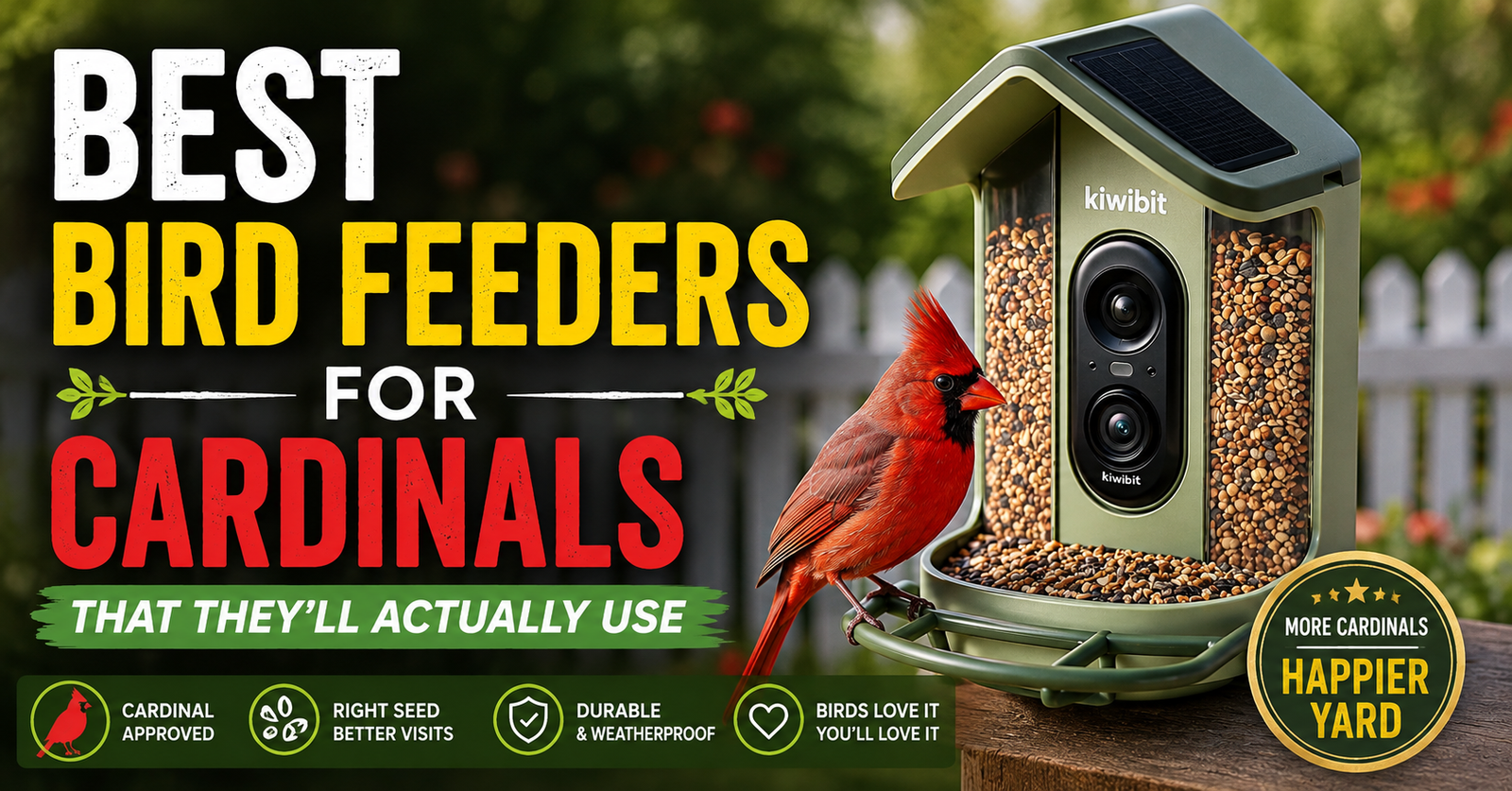
I want a cardinal feeder somewhere birds can access it comfortably while still having useful cover in the general area. These comfortable cardinal feeder choices can help you match comfortable access with the right placement around nearby cover.
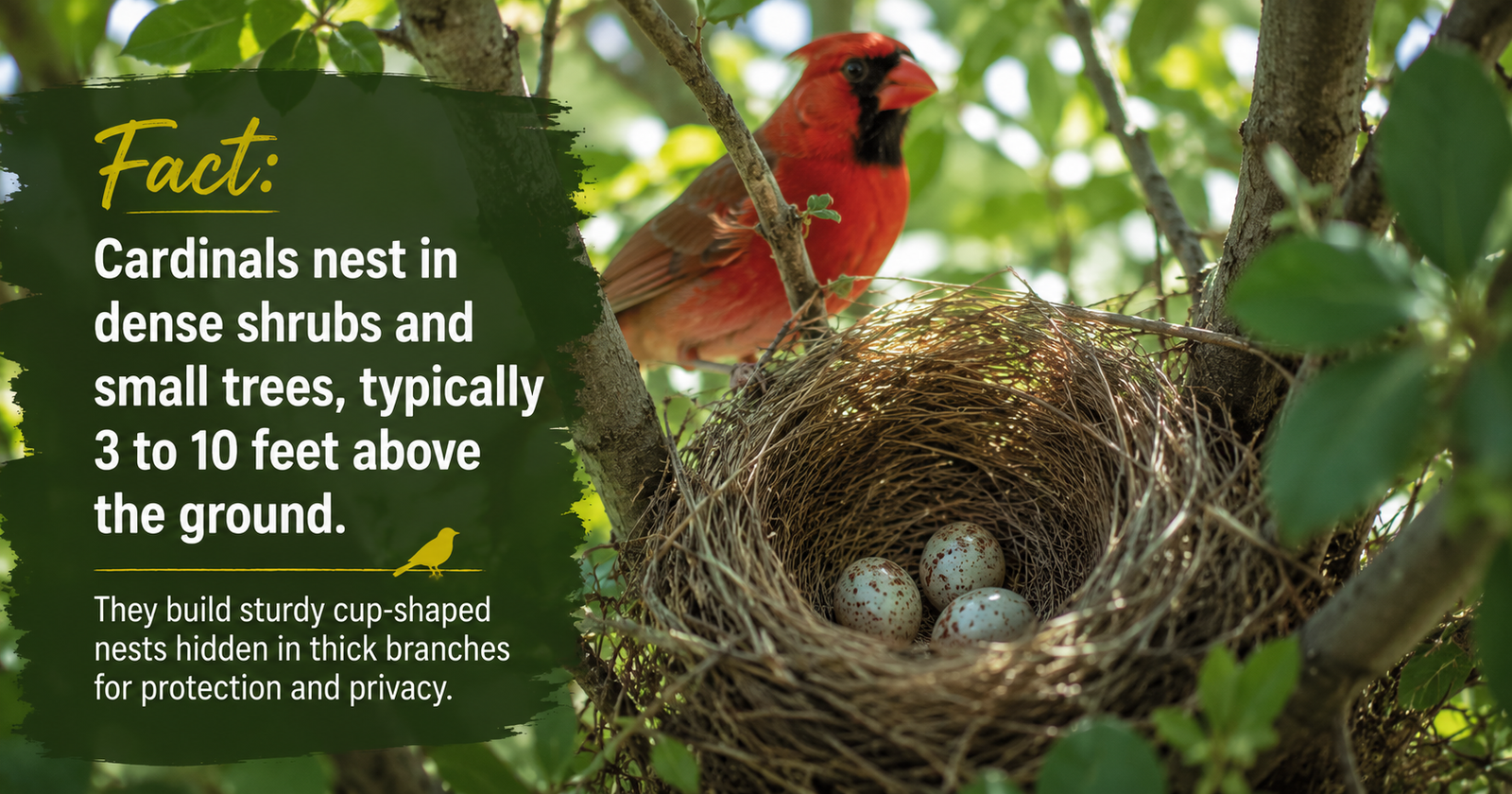
Cardinals naturally spend a lot of time around shrubs, thickets, hedgerows, and other dense vegetation. Those same dense areas may also contain cardinal nest locations, even when the nest is only a few feet from the ground.
That doesn’t mean hiding the feeder so deeply inside a bush that you can’t see it.
It means thinking about the entire environment rather than hanging food in the middle of an empty yard and expecting instant results.
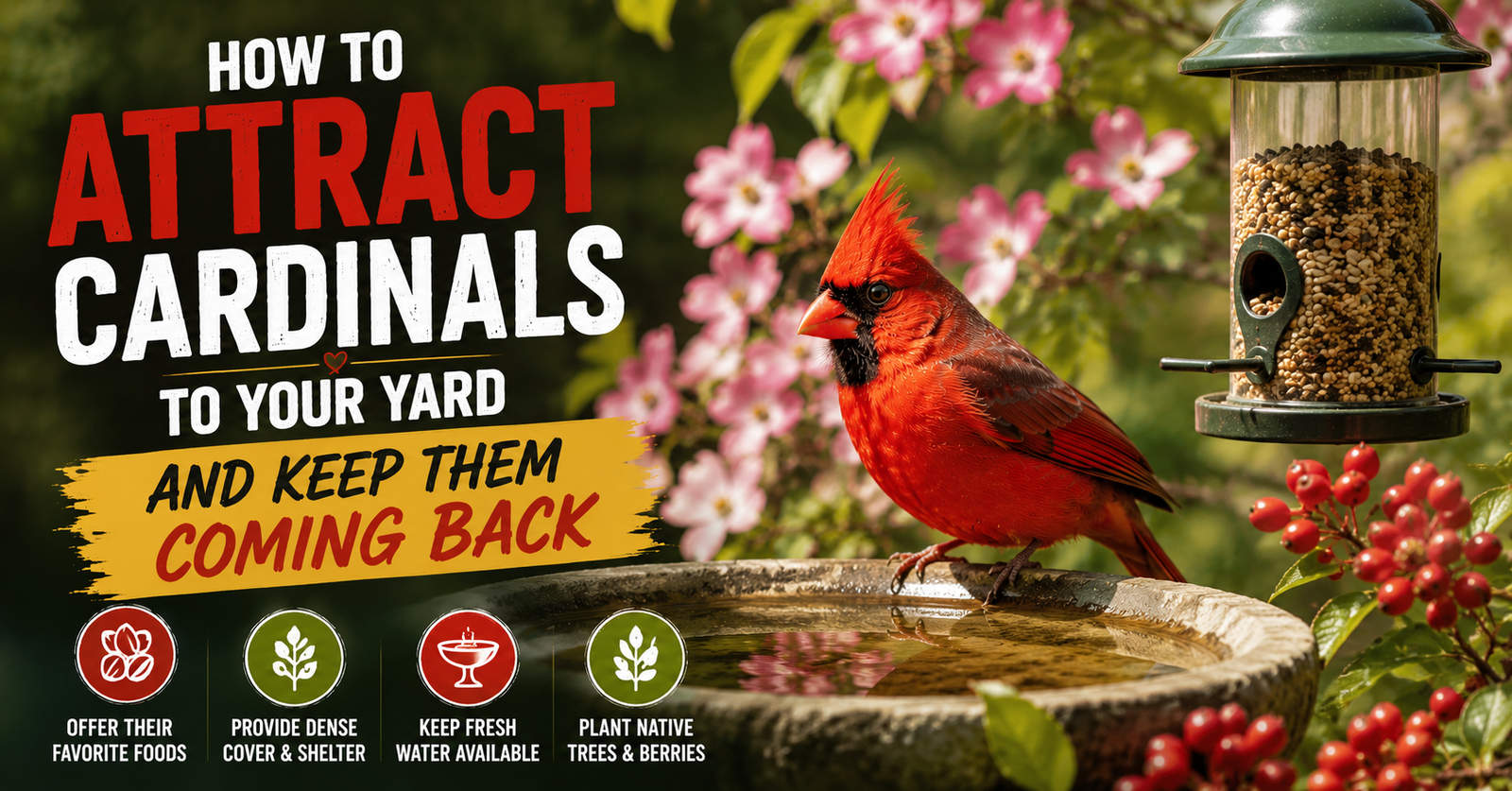
Our guide on how to attract cardinals and keep them coming back explains how food, water, shrubs, nesting cover, and feeder placement work together.
Will Safflower Attract Cardinals in Winter?
Yes, you can offer safflower year-round.
And winter is when feeder visits can become especially enjoyable because that brilliant red plumage looks incredible against snow.
Cardinals don’t normally migrate away for winter. They remain year-round residents throughout their range.
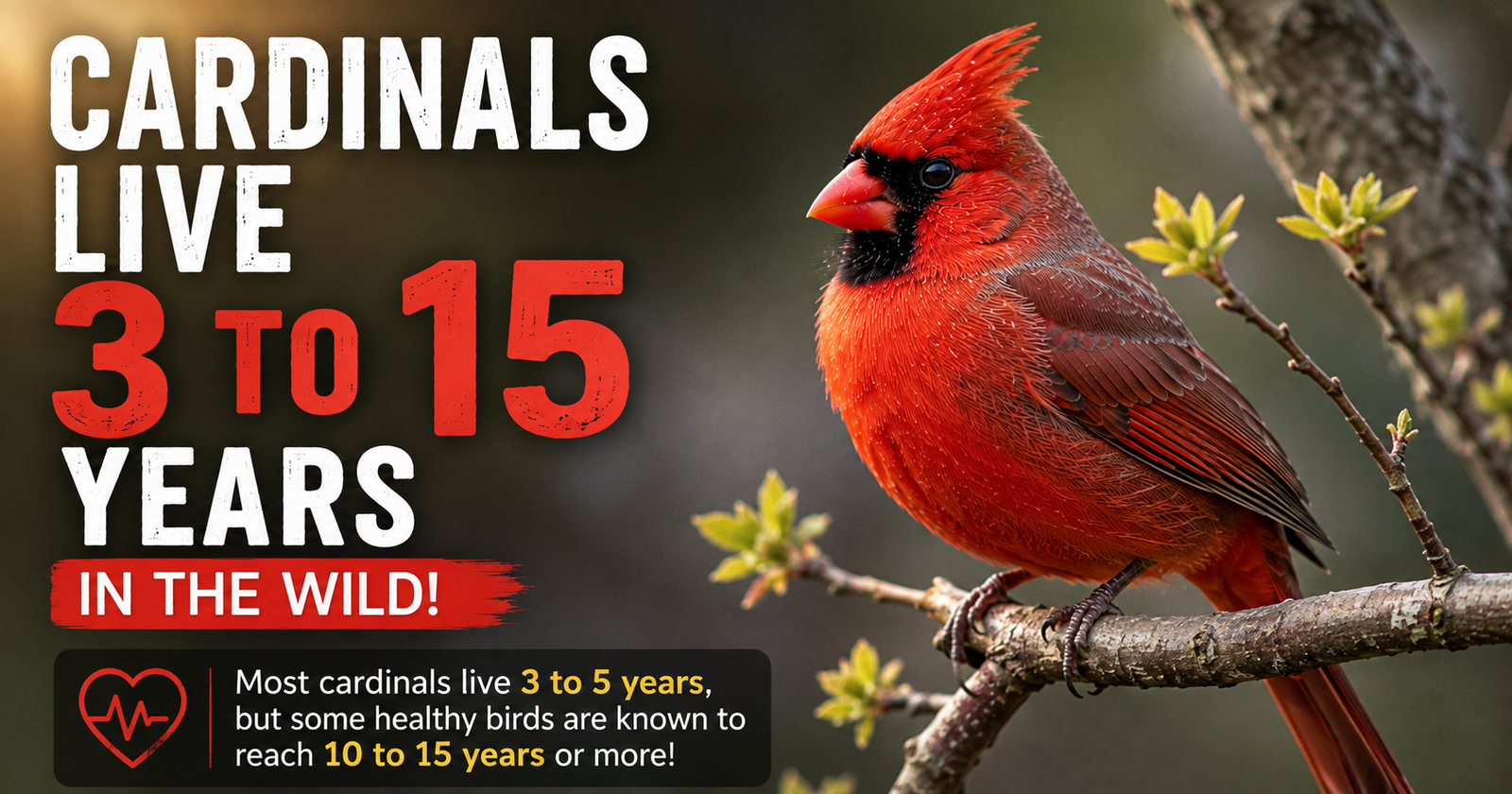
That means the birds visiting your winter feeder may be part of the same local population you’ve been watching during summer. The question of how long individual cardinals survive adds useful context when you wonder whether familiar feeder visitors are returning birds.
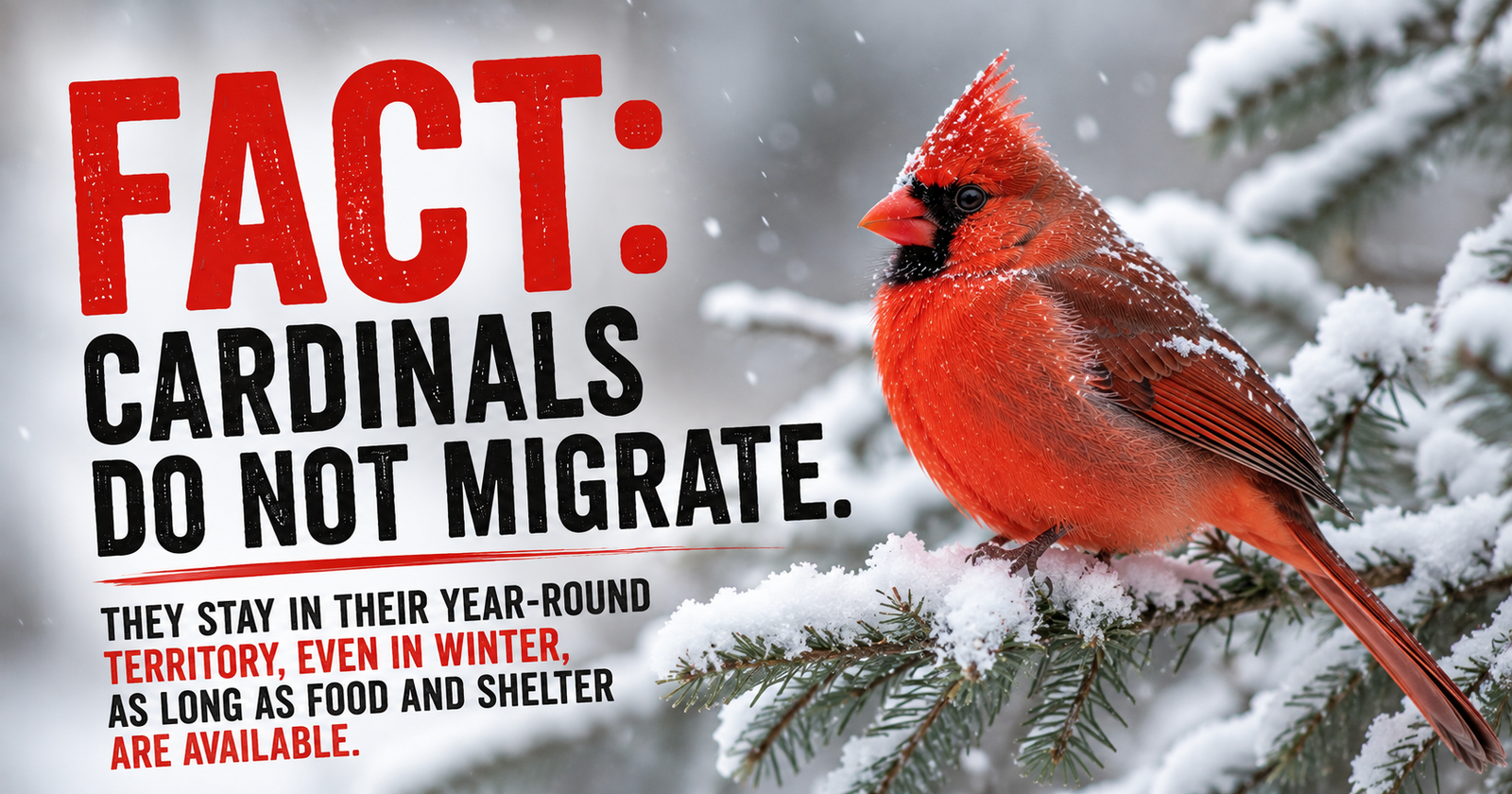
If you’ve ever wondered where they disappear to during the cold months, our guide explaining where cardinals really go in winter clears up one of the biggest misconceptions about these birds.
Don’t Let Safflower Seed Get Wet and Sit There
This part isn’t exciting, but it matters.
Birdseed needs to stay reasonably fresh.
Audubon specifically warns that safflower placed on the ground during wet weather can become soggy and inedible.
Use a feeder with decent drainage.
Don’t keep piling fresh seed over old wet seed.
Check what’s sitting in the bottom.
Clean the feeder regularly.
And store the unused bag somewhere cool and dry.
Audubon warns that damp stored seed can develop mold and recommends keeping birdseed in a cool, dry location.
Buying good seed doesn’t accomplish much if we let it spoil.
My Favorite Reason to Try Safflower Isn’t Actually the Cardinals
It’s the experiment.
If cardinals already visit your property and squirrels constantly dominate your feeder, safflower gives you an incredibly simple thing to test.
You don’t have to remodel the yard.
You don’t have to buy a $150 feeder.
You don’t have to declare war on every squirrel within three blocks.
Change the food.
Watch what happens.
That’s it.
Maybe your squirrels turn their noses up at it.
Maybe they eventually figure it out.
Maybe your cardinals immediately take to it.
Maybe it takes them several days.
Your backyard will give you the answer.
And a 5-pound bag is a reasonable amount for finding out.
Try the 5-pound no-filler safflower seed for cardinals here
Is Safflower Seed Better Than a Cardinal Birdseed Mix?
Not automatically.
It depends on what you’re trying to accomplish.
A quality cardinal mix containing sunflower and safflower can be excellent.
But pure safflower gives you more control.
If you’re specifically trying to determine whether safflower reduces squirrel activity, a blend makes the experiment harder.
Was the squirrel eating safflower?
Sunflower?
Peanuts?
Corn?
Something else?
With 100% safflower, there’s no question.
That’s why I’d start with the straight seed if squirrel pressure is the reason you’re considering it.
Will Safflower Stop Blackbirds and Starlings Too?
It may reduce interest from some of them, but again, I wouldn’t guarantee it.
Audubon’s birdseed guide notes that European Starlings and House Sparrows usually find safflower less appealing than sunflower seed.
But birds learn.
Populations differ.
Food availability changes behavior.
If a bird is hungry enough and discovers a usable food source, assumptions about what it “never eats” can fall apart pretty quickly.
I look at safflower as a way to tilt the feeding station toward the birds I want, not as a force field that excludes everything else.
How Long Will a 5-Pound Bag Last?
That depends almost entirely on your feeder traffic.
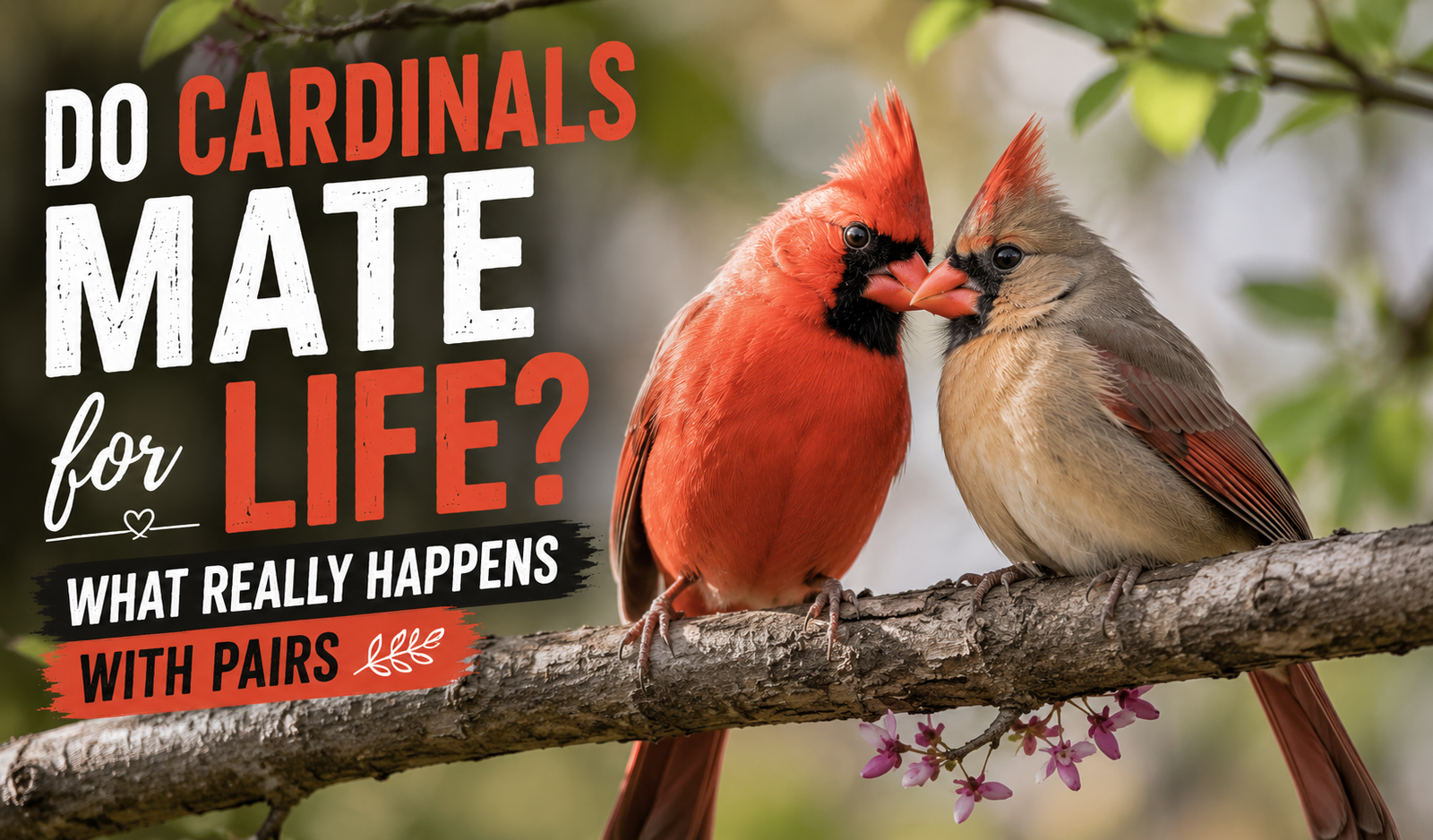
One pair of cardinals occasionally stopping by won’t go through seed like a busy feeding station with cardinals, chickadees, finches, doves, and other visitors. Watching a recurring pair at your feeder can raise questions about whether One pair of cardinals occasionally stopping by.
Your feeder design matters too.
So does spillage.
And squirrels obviously matter.
That’s another advantage of reducing squirrel activity if safflower works in your yard.
Five pounds of seed lasts a whole lot longer when a squirrel isn’t sitting in the tray throwing handfuls over its shoulder.
Who I Think Should Buy This Safflower Seed
I’d seriously consider it if Northern Cardinals are one of your main target birds and squirrels are becoming a pain.
The simple ingredient list is a major plus.
I like that we’re getting safflower rather than paying for filler ingredients.
The 5-pound bag is also a manageable amount for testing it before committing to bulk quantities.
And most importantly, there’s legitimate bird-feeding guidance behind the basic idea.
Cardinals really do eat safflower.
Squirrels often find it less appealing.
That doesn’t guarantee what will happen at your feeder, but it’s enough for me to consider safflower one of the more sensible foods to experiment with.
If squirrels aren’t causing problems, I wouldn’t rush to abandon black oil sunflower.
But if you feel like you’re spending more money feeding gray squirrels than red cardinals, this is exactly the kind of simple change I’d test before spending a fortune replacing every feeder in the yard.
Common Questions About Safflower Seed for Cardinals
Is safflower seed good for Northern Cardinals?
Yes. Northern Cardinals readily eat safflower, and multiple bird-feeding resources specifically recommend it for them.
Do cardinals prefer safflower or sunflower seeds?
Black oil sunflower is one of the strongest all-around foods for attracting Northern Cardinals. Cardinals also readily eat safflower, making safflower especially interesting when you’re trying to reduce squirrel competition.
Do squirrels really hate safflower seed?
Some squirrels avoid or show less interest in safflower, but not all squirrels do. Cornell Cooperative Extension notes that squirrels in some areas appear to develop a taste for it.
Can I mix safflower and black oil sunflower seed?
Yes. Mixing the two can be a practical way to introduce safflower while continuing to offer a familiar cardinal favorite.
What feeder works best for safflower seed and cardinals?
I particularly like roomy hopper and platform feeders for cardinals. Cornell Cooperative Extension specifically recommends tray and hopper feeders for offering safflower to cardinals and grosbeaks.
Will other birds eat safflower?
Yes. Depending on your area, safflower may attract grosbeaks, chickadees, titmice, finches, sparrows, and doves in addition to cardinals.
Can I use safflower seed year-round?
Yes. Safflower can be offered throughout the year as supplemental food for visiting wild birds.
Is pure safflower better than cheap mixed birdseed?
If your specific goal is attracting safflower-eating birds such as cardinals, I like knowing exactly what I’m paying for. A pure seed also lets you see whether safflower changes which birds and squirrels visit your feeder instead of wondering which ingredient they’re actually eating.
For someone wanting to try that experiment without buying a massive bulk bag, this 5-pound bag of pure safflower birdseed is the one I’d start with.
Mason Reed is the Backyard Birding & Gear Contributor for BirdResource.com, where he focuses on practical ways to attract backyard birds, choose feeders and food that actually make sense, and separate useful birding products from things that aren’t worth the money.