
You can have Blue Jays flying through your yard every day and still have no idea where they’re nesting.
That’s partly because they don’t make it easy for us.
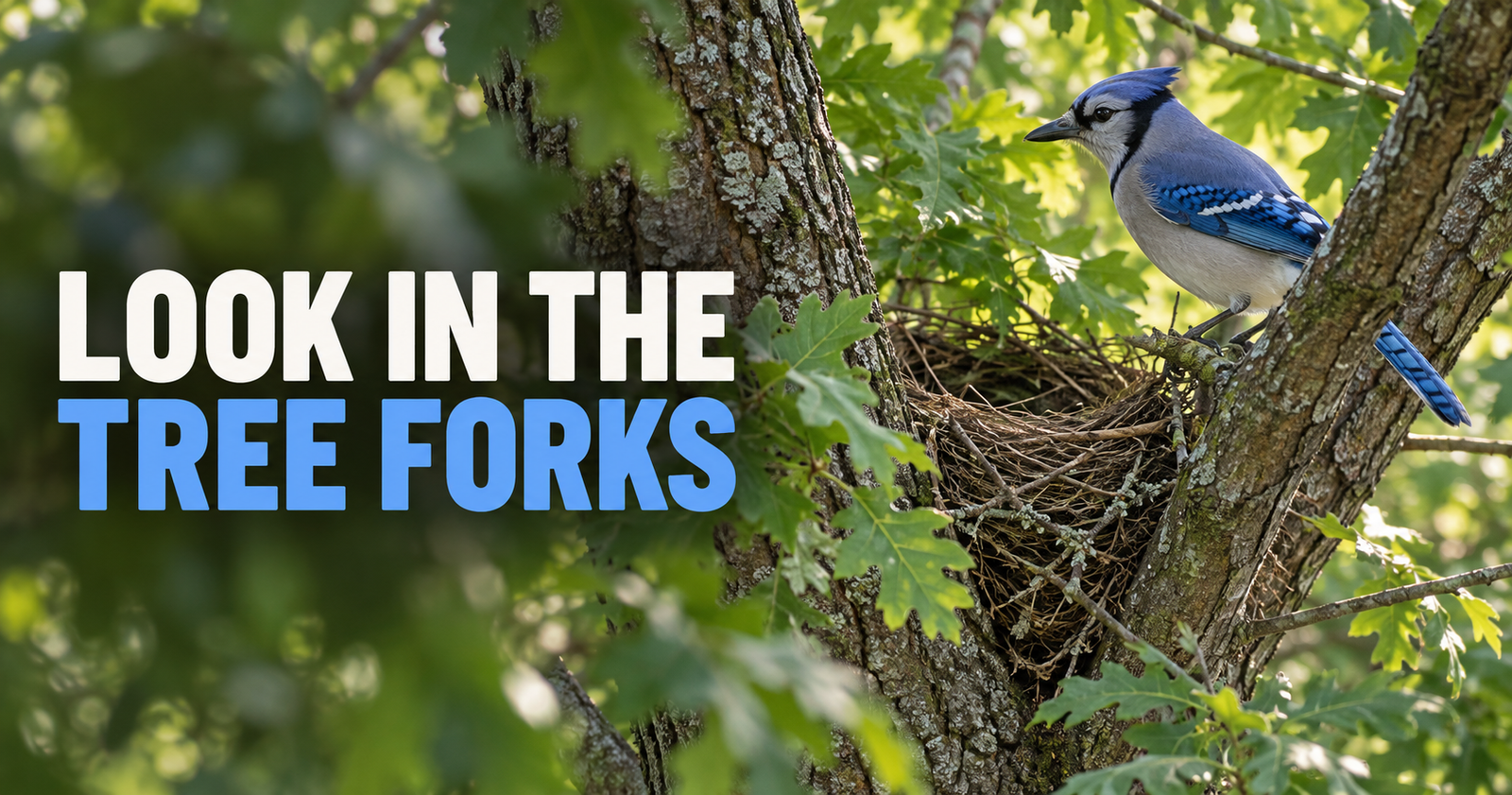
Blue Jays usually build open-cup nests in trees, often tucked into a crotch or positioned on a substantial outer branch where surrounding leaves and branches help conceal the nest.
According to Cornell, a typical Blue Jay nest sits about 10 to 25 feet above the ground, although individual nest locations can vary. Both deciduous and coniferous trees can be used.
And unlike birds that disappear into an obvious wooden nest box, a Blue Jay may simply fly into a leafy tree and vanish.
If you’re trying to figure out whether the Blue Jays around your home are nesting nearby, the best clues often come from watching the birds themselves rather than searching every branch for a nest.
What Kind of Trees Do Blue Jays Nest In?
Blue Jays aren’t restricted to one particular tree species.
They can build nests in both deciduous and evergreen trees.
What matters is finding a location capable of supporting and concealing the nest.
Cornell describes Blue Jay nests as commonly being placed in a crotch or thick outer branches of a tree.
That means I’d look at branching structure before worrying about identifying the exact tree.
A sturdy fork provides support.
Surrounding foliage provides concealment.
Nearby branches give the adults places to approach, land, and move around.
Blue Jays are also strongly associated with forest edges, woodlots, parks, yards, and areas containing oak trees.
So a mature suburban yard can provide perfectly reasonable Blue Jay nesting habitat.

How High Do Blue Jays Build Their Nests?
A typical Blue Jay nest is around 10 to 25 feet above the ground.
That’s high enough to make finding one frustrating.
You may clearly see a Blue Jay carrying a twig into a tree and still be unable to locate the actual nest from the ground.
I wouldn’t climb the tree to investigate.
Besides the obvious safety problem, getting close to an active nest can disturb the birds.
Cornell’s NestWatch recommends observing nesting activity carefully and backing away when birds show distress. For inaccessible nests, watching adult behavior through binoculars can provide plenty of useful information without directly looking into the nest.
Sometimes knowing the nest is somewhere in that tree is enough.

What Does a Blue Jay Nest Look Like?
A Blue Jay nest is an open cup, not an enclosed cavity.
Cornell describes the basic structure as a cup made from twigs and grass, sometimes strengthened with mud and lined with softer rootlets.
The outer portion can look fairly rough.
That’s because twigs form much of the structure.
Inside, the birds create a more suitable surface for eggs and nestlings.
Blue Jays can also incorporate different materials they find around their environment.
The finished result isn’t the tiny delicate cup you might associate with some smaller songbirds. Blue Jays are fairly substantial birds, and their nest has to support multiple growing youngsters.
Who Builds the Blue Jay Nest?
Both the male and female participate.
Cornell reports that both sexes gather materials and build, although the male tends to do more of the gathering while the female generally performs more of the actual construction.
That’s useful to know if you’re trying to recognize nesting behavior.
Seeing one Blue Jay carrying a twig doesn’t tell you whether it’s male or female.
Seeing two Blue Jays repeatedly carrying material toward the same tree, however, is a pretty good reason to start paying attention.
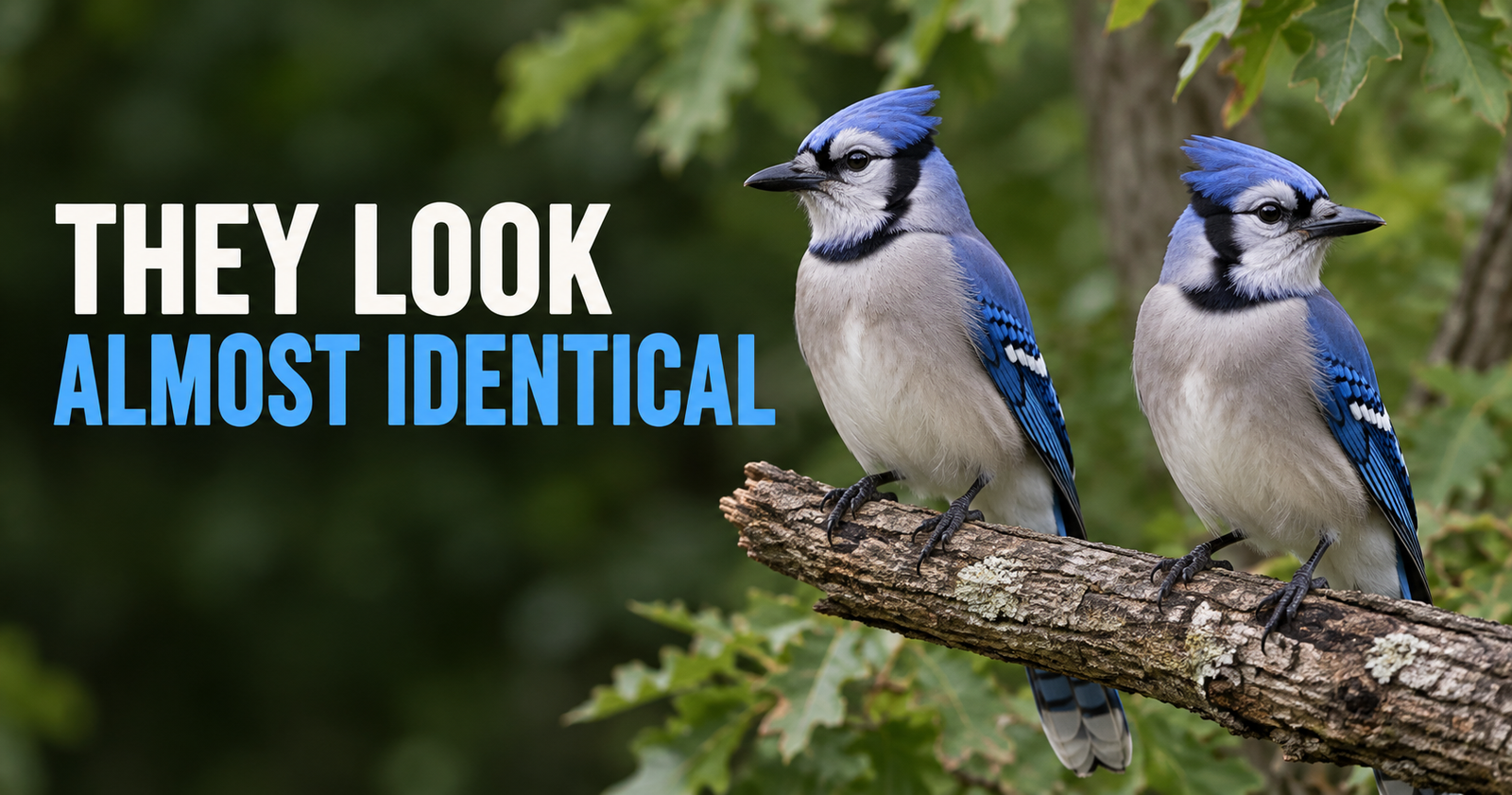
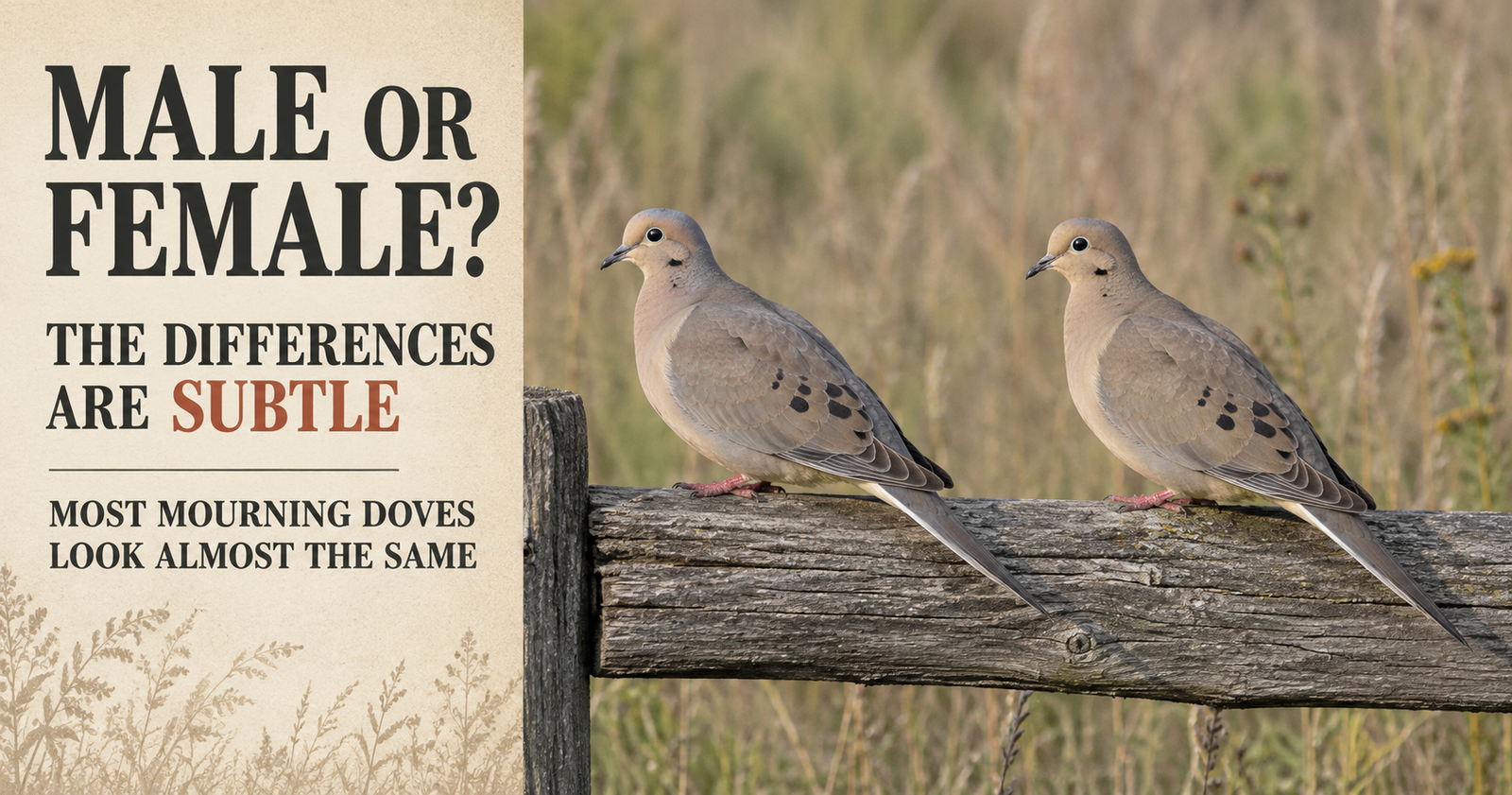
Our male vs female Blue Jay guide explains why appearance alone usually won’t tell you which member of the pair you’re watching.
What Do Blue Jays Build Their Nests With?
Twigs make up much of the outer structure.
And Blue Jays don’t necessarily settle for whatever twig happens to be lying underneath the tree.
Cornell reports that they commonly take twigs directly from live trees, sometimes struggling to break them loose. They may also travel considerable distances to collect rootlets from places where soil has recently been disturbed.
Other materials can include:
grass
rootlets
bark
moss
mud
and occasionally human-made material they find outdoors
Watching a jay wrestle with a stubborn twig makes nest construction look a lot less effortless than the finished nest suggests.
When Do Blue Jays Build Nests?
Blue Jay nesting occurs during the warmer breeding season, although exact timing varies across their range and from year to year.
Rather than relying on one calendar date, I watch the birds.
NestWatch recommends looking for adults carrying twigs, grass, and other nesting material because nest construction is one of the easiest stages for finding a nest without directly searching vegetation.
A Blue Jay repeatedly carrying twigs in the same direction is giving you a pretty strong clue.
Watch from a distance.
Eventually, you may see where it disappears.
How Can I Tell If Blue Jays Are Nesting in My Yard?
Look for changes in routine.
One of the strongest clues is repeated travel to the same tree while carrying nesting material.
Later, you may notice food being carried toward the same area.
You may hear young birds begging.
Adults may become more alert or agitated when people or predators approach.
NestWatch recommends watching and listening before physically searching because the birds themselves often reveal where nesting activity is occurring.
I prefer that approach.
Instead of pushing branches apart looking for a nest, sit somewhere farther away and watch what the jays do.
They’ll often tell you more than you expect.
Do Blue Jays Hide Their Nests?
They certainly don’t build them for our convenience.
A nest positioned among leafy branches can be remarkably difficult to see from the ground.
That’s useful for the birds because eggs and nestlings are vulnerable.
A highly visible nest would make life easier for predators too.
Cornell even notes that Blue Jays may abandon a nest after detecting a nearby predator.
So if you discover a nest, don’t repeatedly walk underneath it, climb toward it, or advertise the location by disturbing the vegetation around it.
The fact that you finally found it doesn’t mean you need a close-up photograph.
Do Blue Jays Nest Near Houses?
They can.
Blue Jays are common in suburban areas, parks, yards, forest edges, and other habitats around people, particularly where mature trees are available.
So having a Blue Jay nest somewhere on a residential property isn’t unusual.
But the house itself isn’t necessarily what attracts them.
The trees and surrounding habitat are much more important.
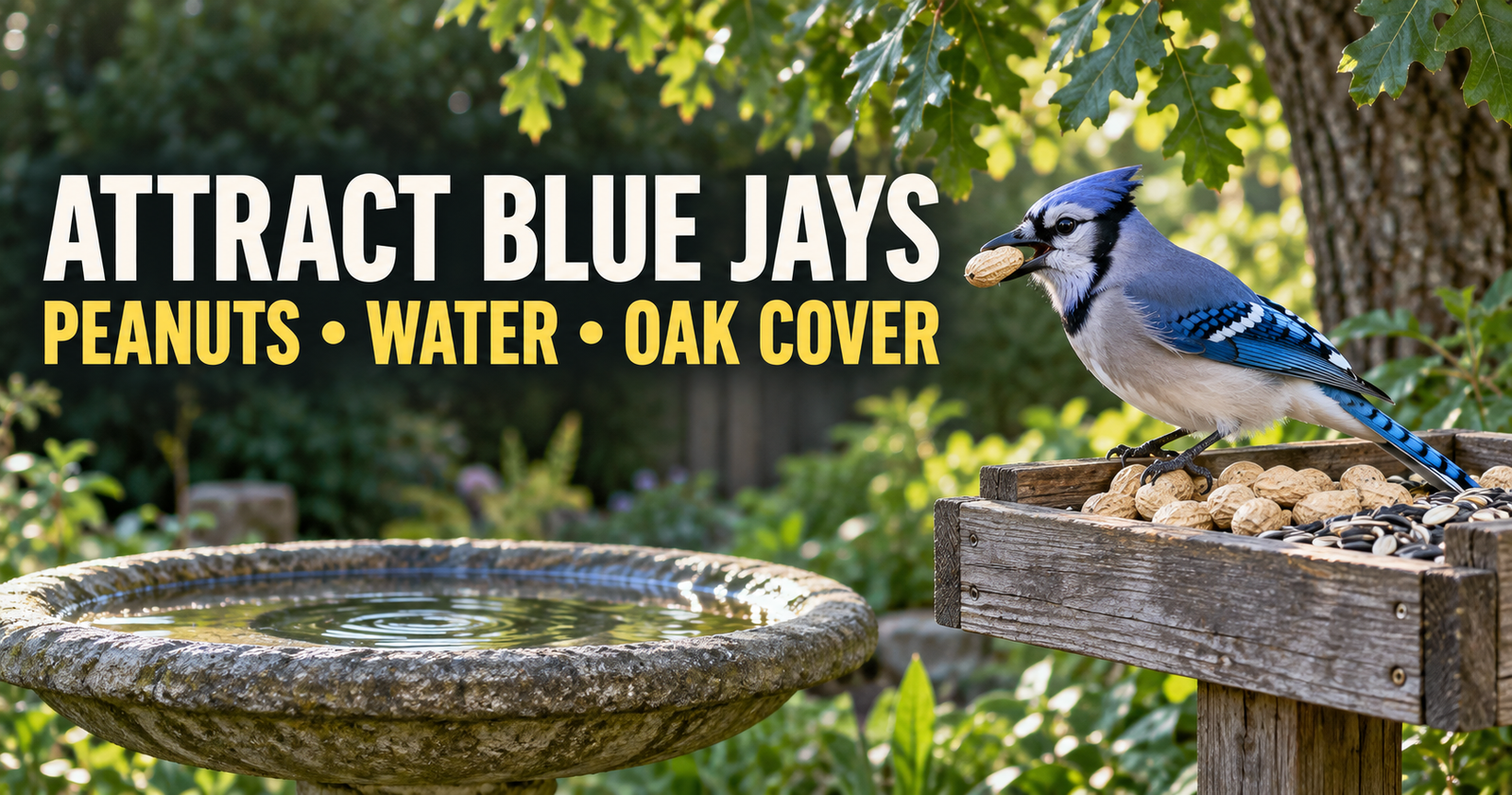
A mature yard containing substantial trees, food sources, water, and useful cover can provide plenty of reasons for Blue Jays to spend time there. Those same habitat features are central to a practical plan to attract Blue Jays to your yard.
Do Blue Jays Use Birdhouses?
Normally, no.
Blue Jays are open-cup nesters rather than traditional cavity nesters.
They build their nests on branches instead of entering the enclosed nest boxes commonly used by species such as bluebirds.
That’s an important distinction because the names can be confusing.
A bluebird can readily use an appropriately designed nest box.
A Blue Jay generally won’t.
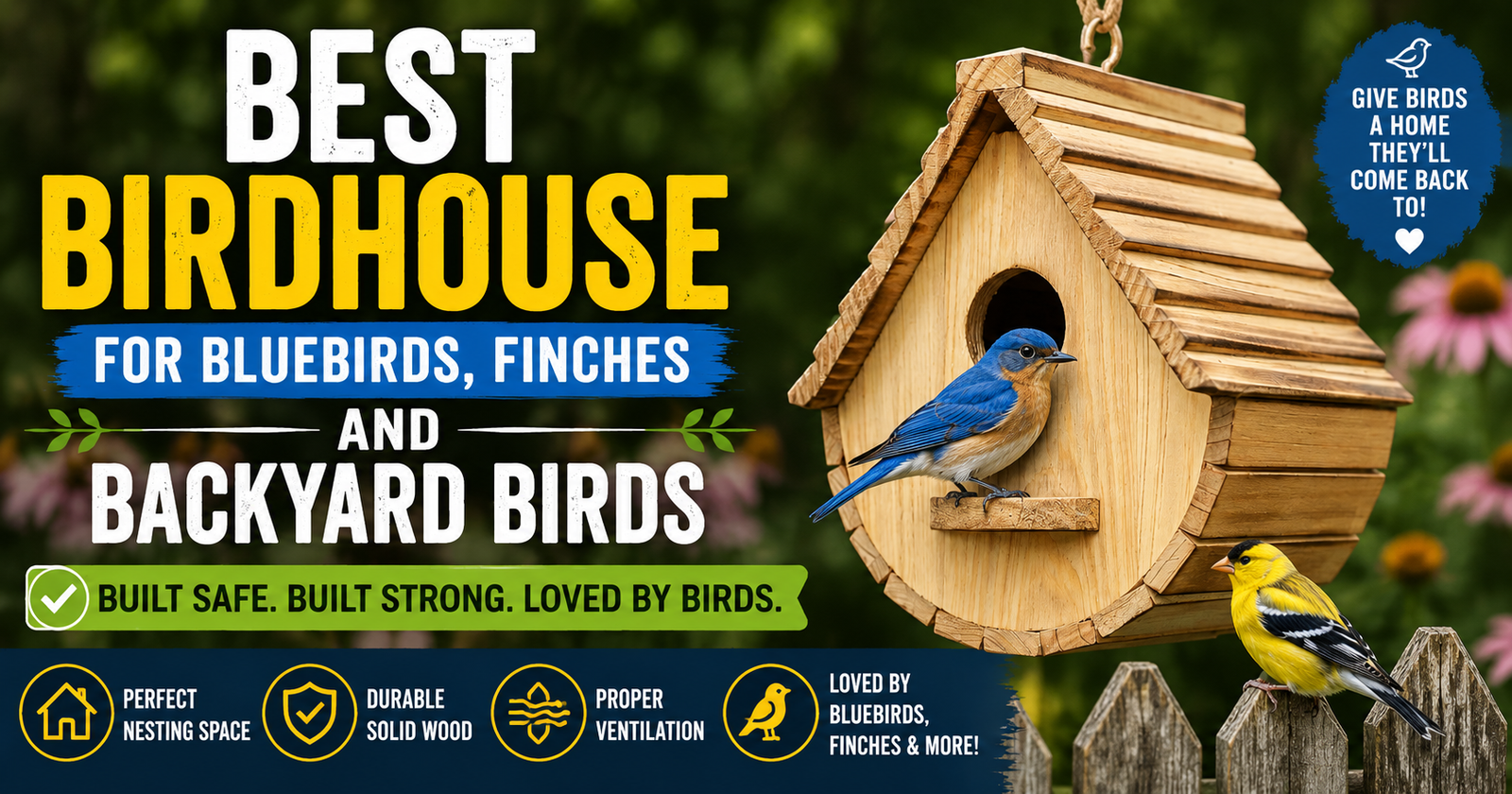
Our birdhouse guide for bluebirds, finches, and backyard birds explains why matching a birdhouse to the nesting biology of the bird matters.
For Blue Jays, I’d focus on suitable trees rather than trying different wooden houses.
Do Blue Jays Reuse Their Nests?
I wouldn’t count on the same nest being occupied repeatedly.
An old nest can remain visible in a tree long after breeding has finished, but seeing it doesn’t prove Blue Jays will return and use that exact structure again.
And identifying an old nest without seeing the birds that built it can be difficult.
Many open-cup nests begin looking remarkably similar once they’ve weathered for months.
That’s why I like watching active behavior whenever possible.
A bird carrying nesting material provides much stronger evidence than finding an abandoned pile of twigs in December and deciding it must belong to a Blue Jay.
How Many Eggs Are in a Blue Jay Nest?
A typical clutch contains about 2 to 7 eggs.
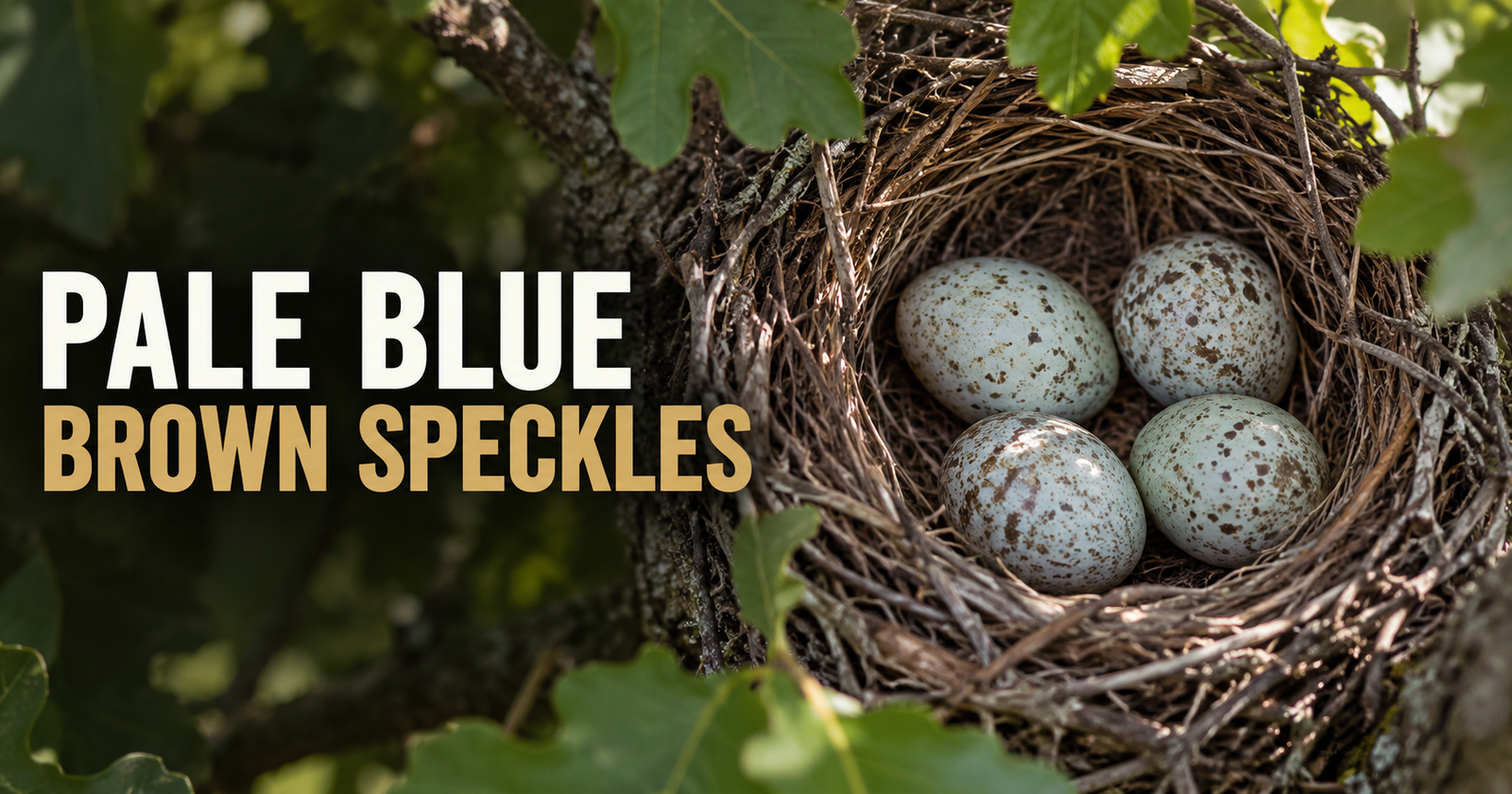
The eggs can be bluish or light brown with brownish spotting, and incubation lasts roughly 17 to 18 days.
The female handles incubation.
During this period, the male provides her with food.
Once the eggs hatch, the parenting workload changes as the adults begin supplying rapidly growing nestlings.
We’ll cover the eggs much more closely in our separate Blue Jay egg guide rather than turning this nesting article into another oversized catch-all page.
How Long Do Baby Blue Jays Stay in the Nest?
Blue Jay nestlings typically remain in the nest for about 17 to 21 days.
Interestingly, some youngsters begin wandering onto nearby branches shortly before the entire brood fledges.
That’s exactly the stage when people can mistakenly assume they’ve found an abandoned baby bird.
A young jay sitting outside the nest isn’t automatically orphaned.
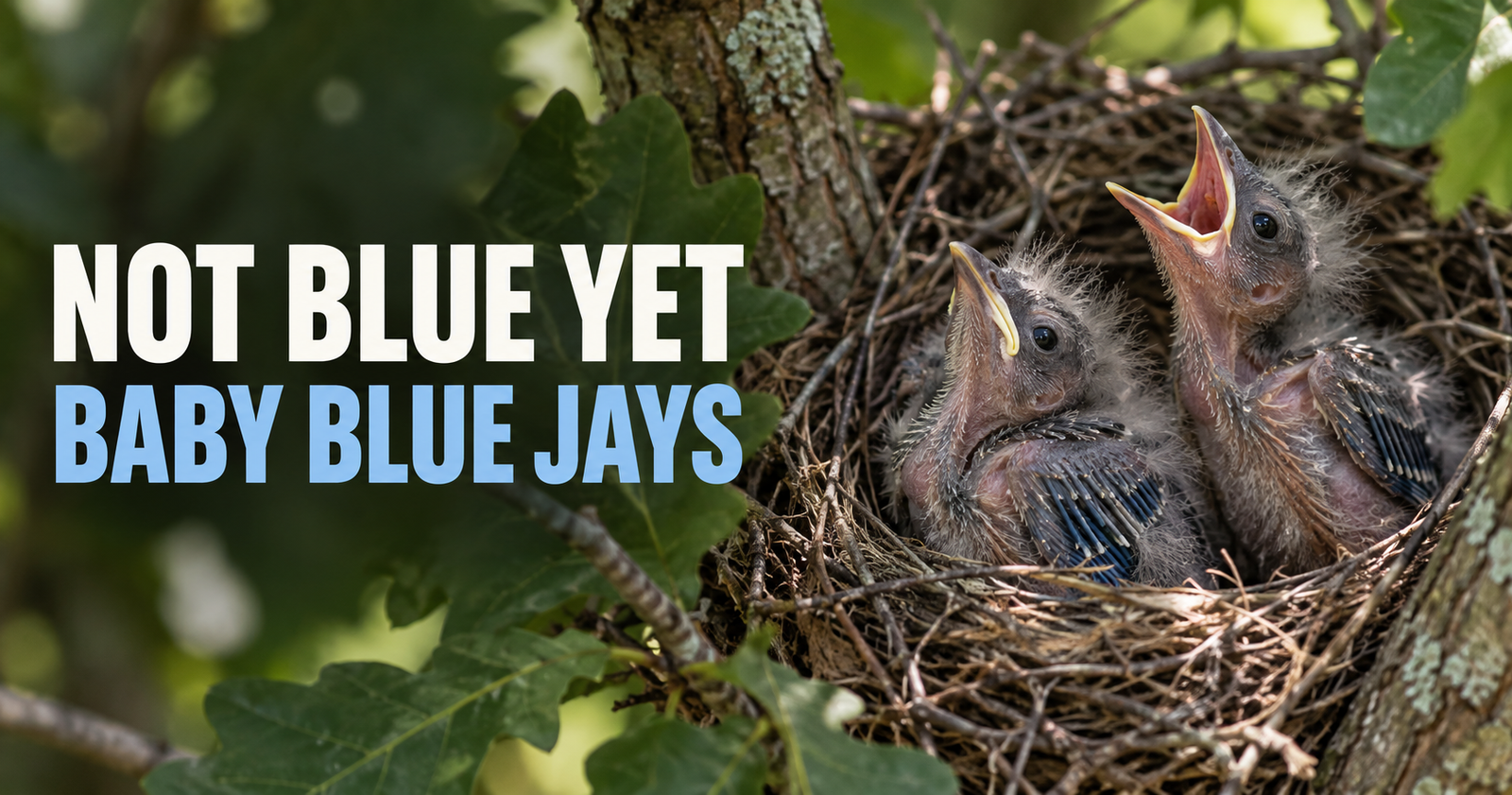
Our baby Blue Jay identification guide explains the difference between hatchlings, nestlings, and fledglings so you can better judge what you’re actually seeing.
What Happens After the Babies Leave?
The nest’s job is essentially finished.
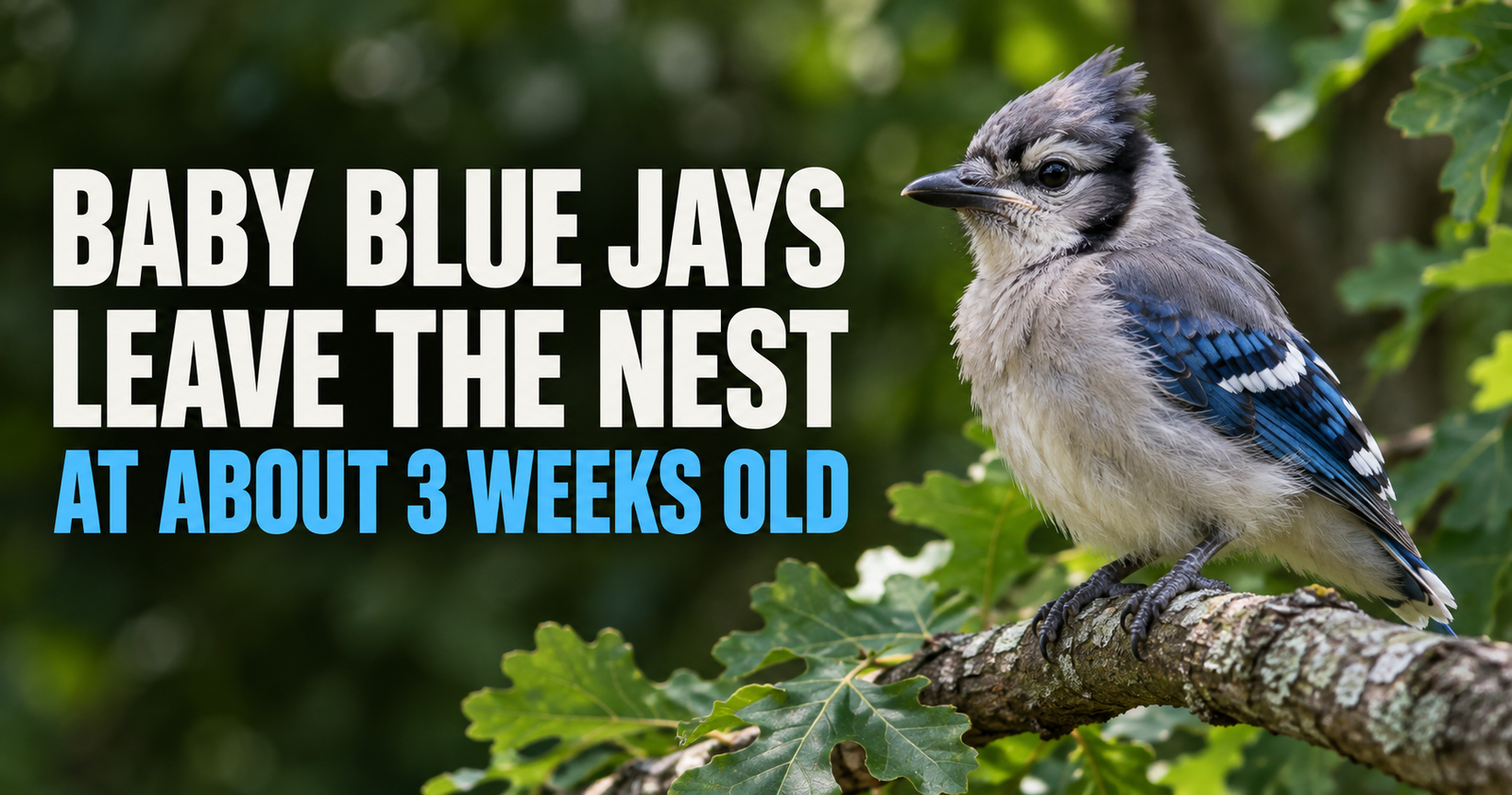
Young Blue Jays leave at roughly 17 to 21 days old, but parental care continues well beyond fledging.
Cornell reports that young remain with and are fed by their parents for at least a month, and sometimes for two months.
That’s why an empty nest doesn’t mean the Blue Jay family disappeared.
The youngsters may already be moving through trees nearby while their parents continue feeding and teaching them.
Bird nests aren’t permanent houses.
They’re temporary nurseries built to get eggs and young birds through an extremely vulnerable stage. Cornell’s Bird Academy makes this distinction across bird nest types generally.
Should I Approach a Blue Jay Nest?
I wouldn’t get any closer than necessary.
Finding a nest is exciting, but the birds don’t benefit from repeated close inspection.
NestWatch recommends minimizing disturbance, keeping visits brief when monitoring nests, and watching from a distance whenever possible.
If the adults begin calling intensely, swooping, or otherwise showing obvious distress, that’s a pretty clear sign you’ve gotten too close.
Back away.
You can learn an enormous amount through binoculars without standing underneath the nest.
Will Blue Jays Abandon a Nest If I Get Too Close?
Disturbance can cause problems, particularly during sensitive stages.
Cornell specifically notes that Blue Jays may abandon a nest after detecting a nearby predator.
Humans repeatedly approaching the same nest can also create unnecessary disturbance and potentially reveal its location to predators.
That’s why I don’t like the idea of checking a wild nest every few hours just because it’s there.
If you’re intentionally monitoring nests for science, follow an established protocol such as NestWatch.
Otherwise, enjoy watching the family from farther away.
What Should I Do If I Find a Blue Jay Nest?
Most of the time?
Leave it alone.
You don’t need to feed the babies.
You don’t need to improve the nest.
You don’t need to move it somewhere “safer.”
You don’t need to touch the eggs.
Give the adults space to do what they’ve evolved to do.
If the nest is somewhere inconvenient but isn’t creating an immediate safety problem, I’d strongly prefer adjusting our activities around the birds temporarily rather than interfering with an active nest.
Nesting doesn’t last forever.
Can I Encourage Blue Jays to Nest in My Yard?
You can’t order a pair of Blue Jays to use a particular tree, but you can make the property more useful to them.
Mature trees are the biggest obvious ingredient.
Blue Jays are particularly associated with areas containing oaks because acorns are an important food source.
Water can help.
Natural foods help.
Appropriate feeders can supplement what’s available.
Avoiding unnecessary removal of healthy mature trees preserves nesting opportunities.
And if Blue Jays are already regularly visiting your property, you’re starting from a much better position than someone trying to attract birds that don’t normally occur nearby.
Should I Put Nesting Material Out for Blue Jays?
I don’t think you need to.
Blue Jays are perfectly capable of collecting their own twigs, rootlets, grasses, and other natural materials.
I would especially avoid putting out potentially dangerous materials such as long string, fishing line, plastic strips, or anything else that could become tangled around birds.
A healthy yard already provides plenty of natural nesting material.
The jays will decide what they want.
Why Did Blue Jays Suddenly Become Aggressive Around One Tree?
A nest or young birds may be nearby.
Blue Jays can become much more defensive when something approaches an area containing eggs or offspring.
If the same birds repeatedly become agitated whenever you walk near one particular tree, I’d take the hint.
Give them more space.
You don’t necessarily need to locate the nest.
In fact, not finding it may be better for everybody involved.
Can Blue Jays Nest in the Same Yard as Cardinals?
Absolutely.
The two species use different nesting strategies and can occupy the same general property.
Northern Cardinals typically build much lower in dense shrubs, vines, and smaller vegetation.
Blue Jays commonly nest higher in trees.
That gives a bird-friendly yard multiple layers.
Cardinals may be tucked into a shrub near the ground while Blue Jays are raising young much higher overhead.
Providing varied vegetation rather than one single habitat type can make a property useful to many species.
An Empty Blue Jay Nest Doesn’t Mean Something Went Wrong
This is worth remembering if you’ve been watching a nest for weeks.
One day there are babies.
Then suddenly there aren’t.
Before assuming a predator took them, consider their age.
If the youngsters were around fledging age, they may have left normally.
Cornell reports that Blue Jay broods usually leave around 17 to 21 days after hatching, and young can move more than 75 feet away from the nest by the end of their second day out.
Listen nearby.
Watch the adults.
You may discover the family is still there.
The nest simply isn’t the center of their world anymore.
Common Questions About Blue Jay Nests
Where do Blue Jays usually build their nests?
Blue Jays generally build open-cup nests in the crotch or substantial outer branches of deciduous or coniferous trees.
How high is a Blue Jay nest?
Cornell reports that Blue Jay nests are usually around 10 to 25 feet above the ground.
What does a Blue Jay nest look like?
It’s an open cup constructed mainly from twigs and grass, sometimes reinforced with mud and lined with softer rootlets.
Do male or female Blue Jays build the nest?
Both participate. Males tend to gather more material while females generally do more of the construction.
Do Blue Jays nest in birdhouses?
Normally, no. Blue Jays are open-cup nesters rather than cavity-nesting birds.
How many eggs do Blue Jays lay?
A typical clutch contains about 2 to 7 eggs.
How long do Blue Jay eggs take to hatch?
Incubation lasts approximately 17 to 18 days.
How long do baby Blue Jays stay in the nest?
The nestling period is generally about 17 to 21 days.
Should I remove an old Blue Jay nest?
I wouldn’t disturb an active nest. Once you’re certain the nesting attempt is completely finished, an old nest generally doesn’t need intervention unless there’s another practical reason to remove it.
How can I tell if Blue Jays are nesting nearby?
Watch for adults repeatedly carrying twigs or other nesting material toward the same tree. Later, adults carrying food and young birds begging can reveal an active nest even when you can’t see it directly.
Finding the actual nest can be fun.
But you don’t need to climb a tree or push through branches to know a Blue Jay family is there.
Sometimes the best view comes from farther away.
Watch where the adults go.
Listen to what they’re telling each other.
And if a pair keeps disappearing into the same leafy section of a tree carrying twigs, there’s a good chance you’ve already found what you were looking for.
You just can’t see it yet.
Mason Reed is the Bird Identification & Behavior Contributor for BirdResource.com,