
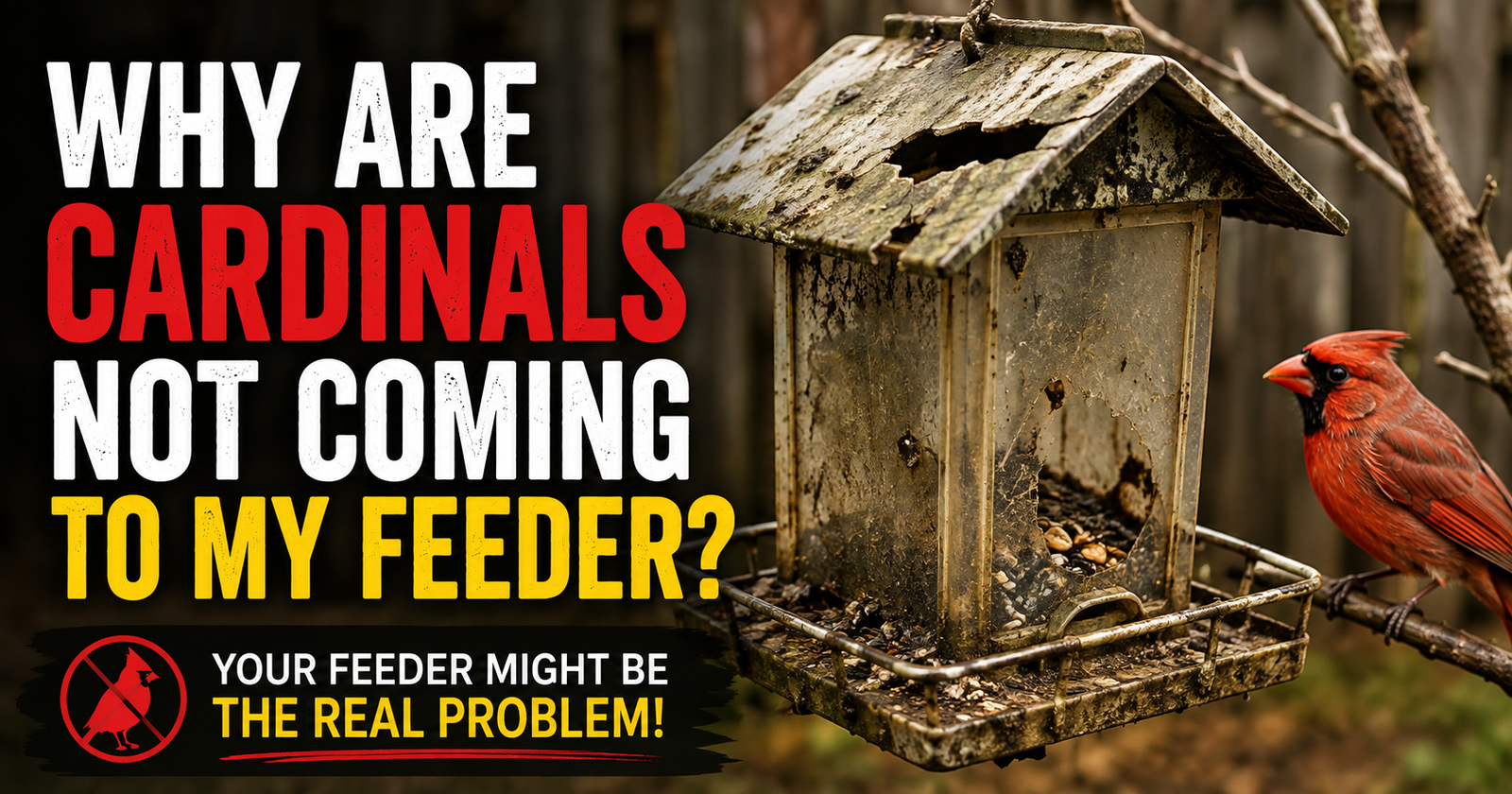
If you used to have cardinals visiting your bird feeder and suddenly they seem to have disappeared, I wouldn’t immediately assume something is wrong.
In fact, one of the most frustrating things about feeding cardinals is that you can seemingly do everything right and still have periods when they barely touch the feeder.
You fill it with fresh seed.
You put it back in the same place.
The chickadees show up.
The finches find it.
Maybe the squirrels certainly haven’t forgotten where it is.
But that familiar red cardinal that used to appear every morning is nowhere to be found.
There are several reasons this can happen, and some are actually good news. Your cardinals may simply have found something they currently prefer.
If you’ve never had cardinals at the feeder, that’s a slightly different problem. In that case, I’d look closely at the food, feeder design, surrounding cover, and whether Northern Cardinals regularly live around your property in the first place. You can explore additional food, feeder, placement, and habitat advice in our Feeding & Attracting Birds resources.
Let’s work through each possibility because changing the wrong thing can sometimes make attracting them harder rather than easier.
They May Have Better Food Somewhere Else
This is probably the first possibility I’d consider when cardinals suddenly stop visiting a feeder they previously used.
Bird feeders aren’t the only place cardinals eat.
Not even close.
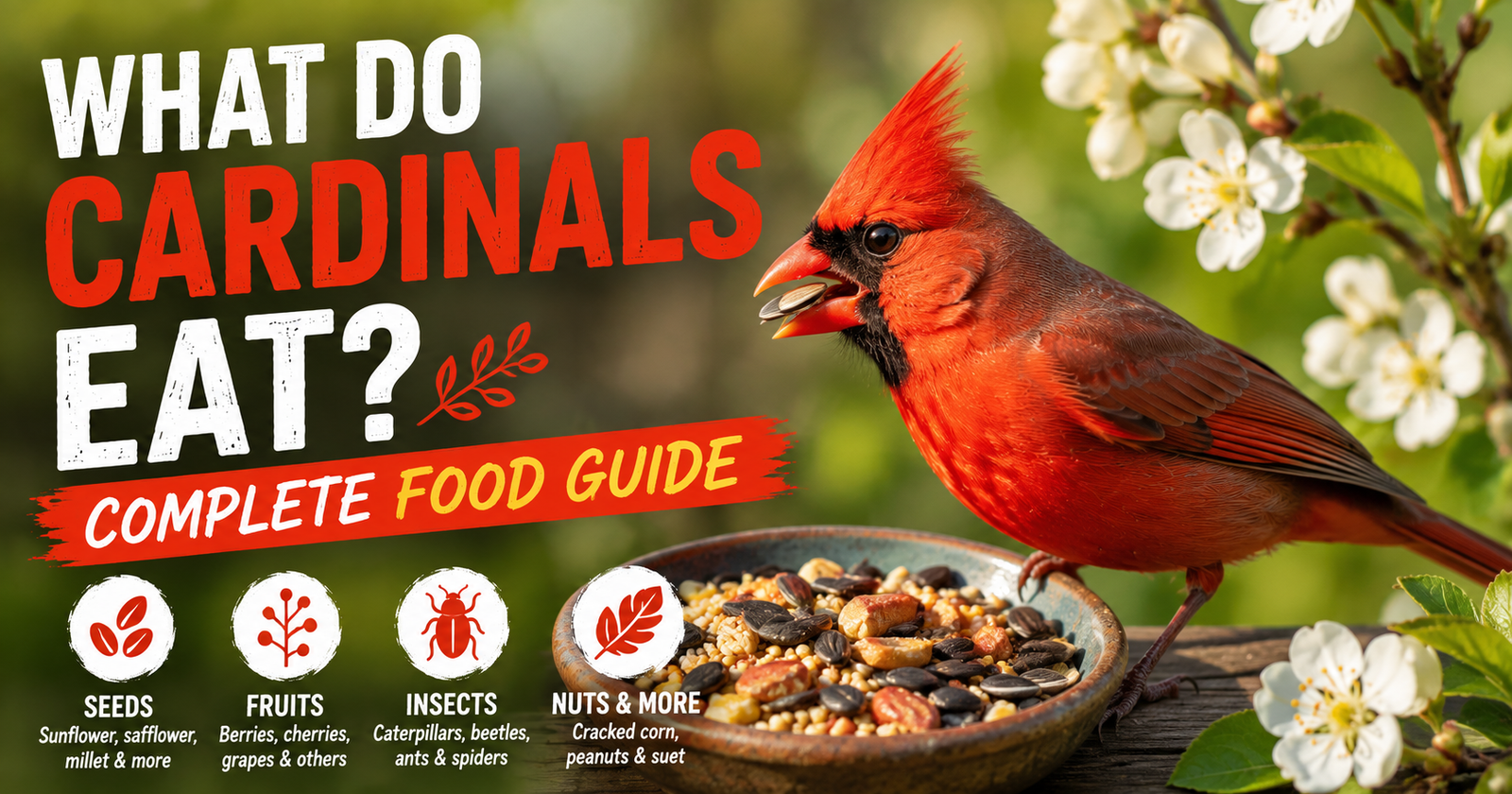
Northern Cardinals naturally eat a varied diet containing seeds, fruits, berries, and insects. Cornell lists foods including wild grape, dogwood, grasses, sedges, mulberry, hackberry, blackberry, sumac, and insects such as beetles, crickets, cicadas, flies, butterflies, and moths.
When those natural foods become abundant, your feeder has competition.
And sometimes nature wins.
Cornell has addressed this exact question from people wondering why their Northern Cardinals stopped coming to feeders. One explanation is simply an abundance of fresh natural food in the surrounding area.
Think about that before changing everything.
If your cardinals disappeared around the same time berries, seeds, fruits, or insects became abundant, they may be doing perfectly well.
They’re just eating somewhere else.
Cardinals Don’t Live on Birdseed
This is something that’s easy to forget when you see the same bird at your feeder every morning.
That feeder feels like the cardinal’s breakfast table.
But it’s supplemental food.
The bird still spends considerable time moving around its territory and finding natural food.
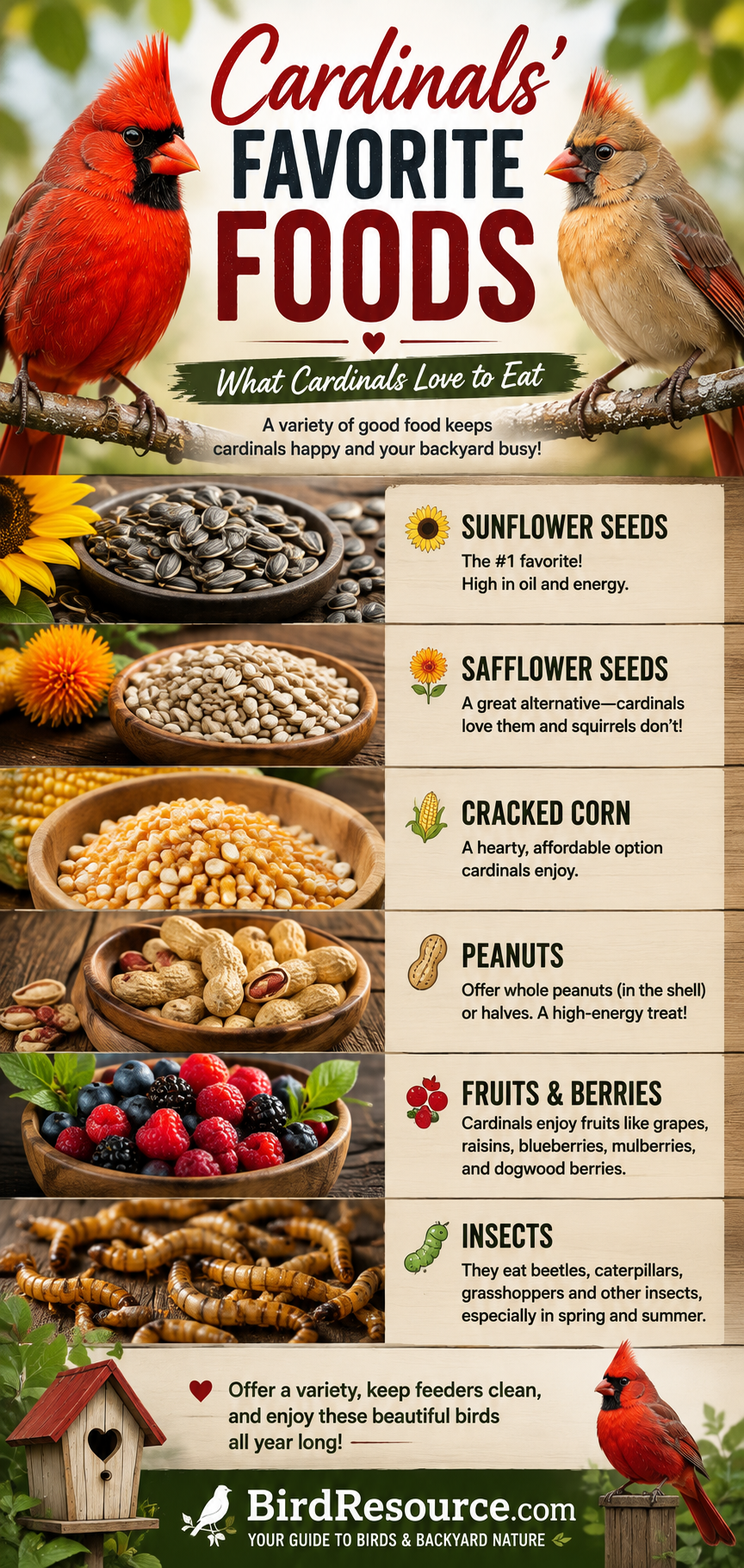
Our complete guide to what cardinals eat goes much deeper into their natural diet, and once you see everything on the menu, their occasional absence from a feeder makes much more sense.
A backyard full of natural food can actually be better cardinal habitat than a barren lawn with one feeder stuck in the middle.
So if your cardinal is eating berries from shrubs instead of sunflower seeds from your feeder, I wouldn’t consider that a failure.
Breeding Season Can Change What They’re Doing
Another possibility is that the cardinals haven’t disappeared.
They’re busy.
During nesting season, their priorities change dramatically.
Northern Cardinal nestlings are fed mostly insects.
Then those babies leave the nest and enter another demanding stage.
Parents continue feeding fledglings after they leave the nest, and Cornell notes that young cardinals can continue receiving food from their parents for weeks.
That’s a lot of work.
Instead of leisurely sitting at your feeder cracking seed after seed, an adult may be moving through vegetation finding food for young birds.
That doesn’t mean it will never visit the feeder.
It means the bird’s daily routine can change.
You May Have Fledgling Cardinals Hiding Nearby
This is one of the coolest explanations.
Your adult cardinals appear less often.
You assume they’ve left.
Meanwhile, Dad may be moving around feeding young cardinals hidden in shrubs and vegetation.
Recently fledged cardinals aren’t immediately independent.
They’re still learning how to function outside the nest while their parents continue caring for them.
If you’re seeing strange brownish birds around the yard during this period, take a closer look before assuming they’re sparrows.
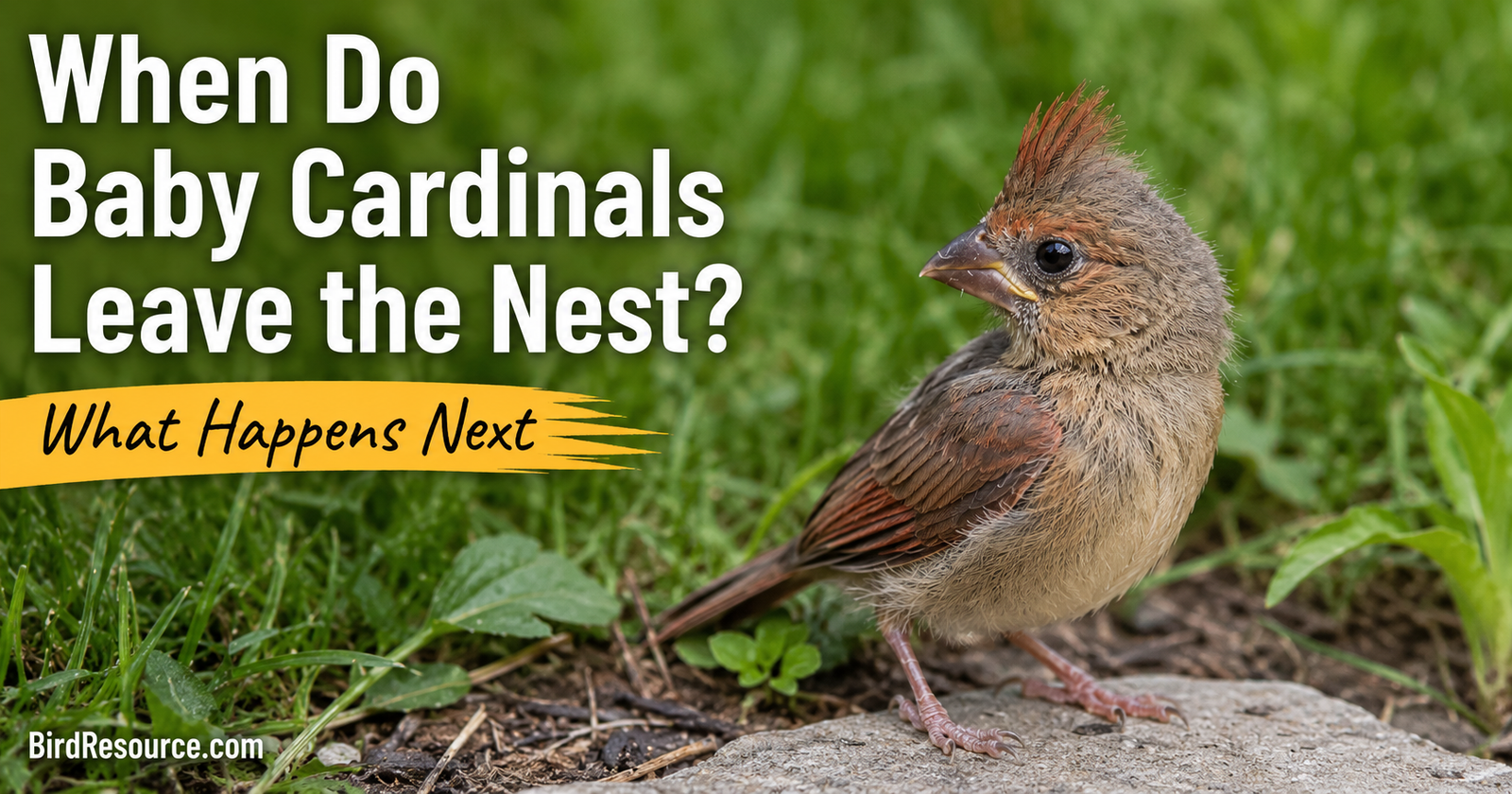
Our guide to when baby cardinals leave the nest and what happens next explains this stage and what the family is doing after those youngsters leave the nest.
You may have more cardinals around your property than before, even though fewer are sitting at the feeder.
You’re Offering Seed Cardinals Don’t Particularly Want
Now we get into something you can actually fix.
If cardinals live around your yard but consistently ignore your feeder, look at what’s inside it.
A bag saying “Wild Bird Food” doesn’t tell me much.
What’s actually in the bag?
Audubon’s current cardinal guidance recommends black oil sunflower seed as an especially strong choice for attracting Northern Cardinals. Cardinals also eat striped sunflower, sunflower chips, safflower, peanuts, cracked corn, and other foods.
Cornell similarly identifies black oil sunflower as a food cardinals readily eat.
So if I’m trying to troubleshoot a feeder cardinals won’t visit, I’d simplify things.
I’d start with a food I already know cardinals like.
Then I’d see what happens.
Black Oil Sunflower Is Where I’d Start
If someone told me:
“I have cardinals around my house, but I can’t get them onto my feeder.”
I’d want to know whether they’ve tried black oil sunflower seed.
It’s one of the safest starting recommendations for Northern Cardinals.
That doesn’t mean it’s the only thing they’ll eat.
Far from it.
But when troubleshooting, I don’t want ten variables.
Give them a feeder they can comfortably use.
Put an appealing seed inside.
Place it somewhere sensible.
Then give the birds time.
If that works, we can experiment later.
Safflower Is Another Seed I’d Try
Safflower is particularly interesting because cardinals eat it while squirrels often find it less appealing than sunflower.
That’s not a guarantee that squirrels won’t touch it.
Some absolutely will.
But if squirrels are dominating your sunflower feeder, safflower gives you something different to test.
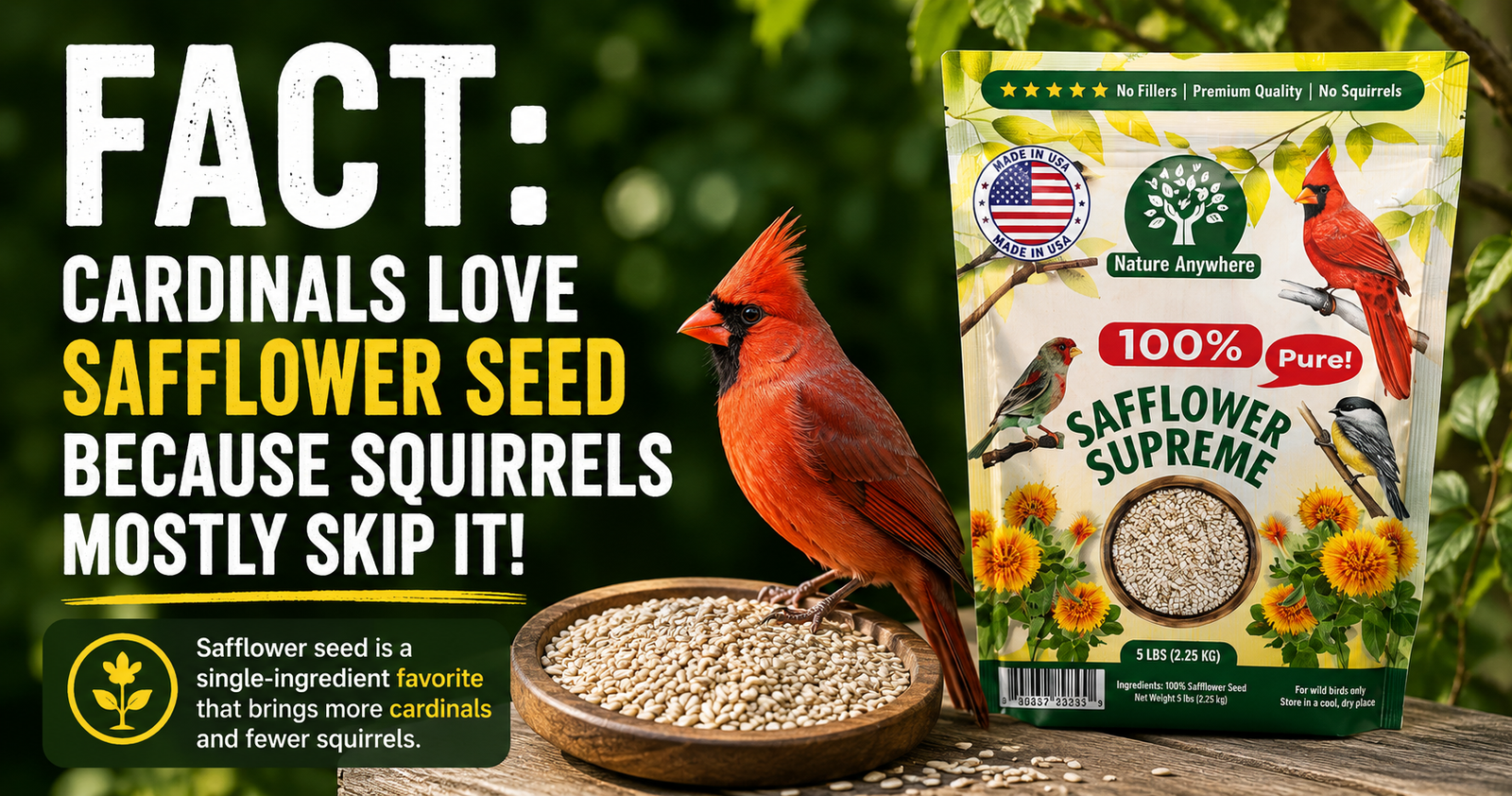
I’ve taken a much closer look at whether safflower seed is good for cardinals and when I’d actually use it.
You can also mix safflower with sunflower instead of suddenly replacing everything.
Watch what happens.
Your own feeder will tell you quite a bit.
Your Bird Feeder May Be the Problem
Sometimes the food is perfect.
The feeder isn’t.
Cardinals are fairly large songbirds with long tails and stocky bodies. They’re not built exactly like little chickadees or goldfinches.
That matters.
A tiny tube feeder with ridiculously small perches might technically be usable by a cardinal, but that doesn’t mean it’s the feeder I’d intentionally choose for them.
I want space.
A platform feeder can work well because the bird can simply land and stand.
A roomy hopper feeder can also provide a comfortable feeding area.
Larger tube-style feeders can work when they provide substantial perches, trays, or rings rather than tiny pegs.
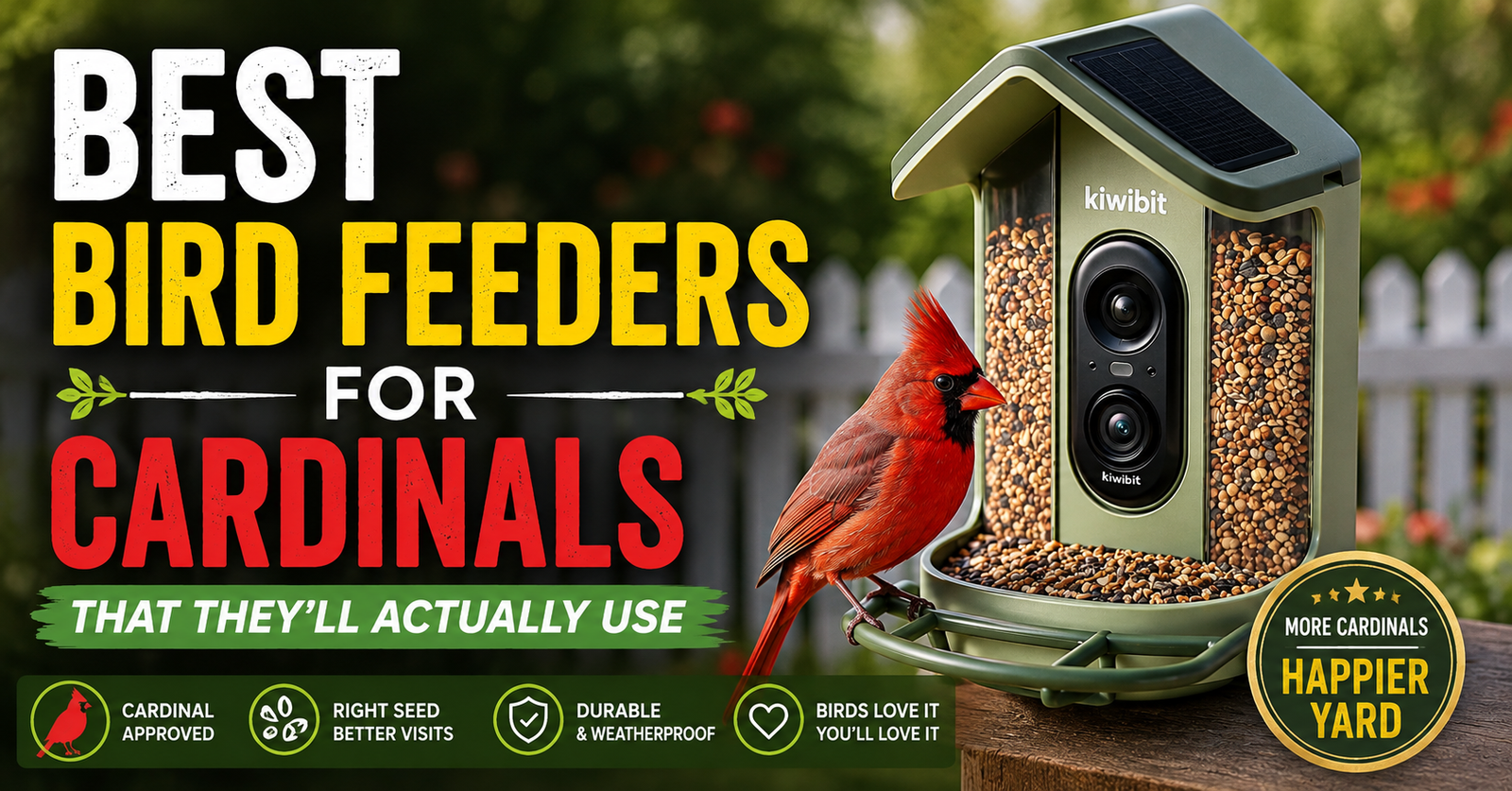
If you’re unsure whether your current setup is working against you, I broke down the best bird feeders for cardinals and what I’d actually look for.
Sometimes the solution isn’t adding more seed.
It’s giving the bird somewhere comfortable to eat it.
Watch What the Cardinal Does Around the Feeder
This can tell you a lot.
Don’t only ask:
Does the cardinal eat?
Watch what happens before that.
Does it land in a nearby shrub but never approach?
Does it fly toward the feeder and immediately leave?
Does it attempt to perch but seem awkward?
Does another bird chase it away?
Does it feed underneath the feeder instead?
Does it approach only when other birds leave?
Those behaviors give you clues.
A cardinal eating spilled sunflower seed underneath your feeder is particularly telling.
You’ve obviously attracted the bird with the food.
Now I’d start questioning whether the feeder itself is the issue.
Your Feeder May Be Too Exposed
Cardinals like cover.
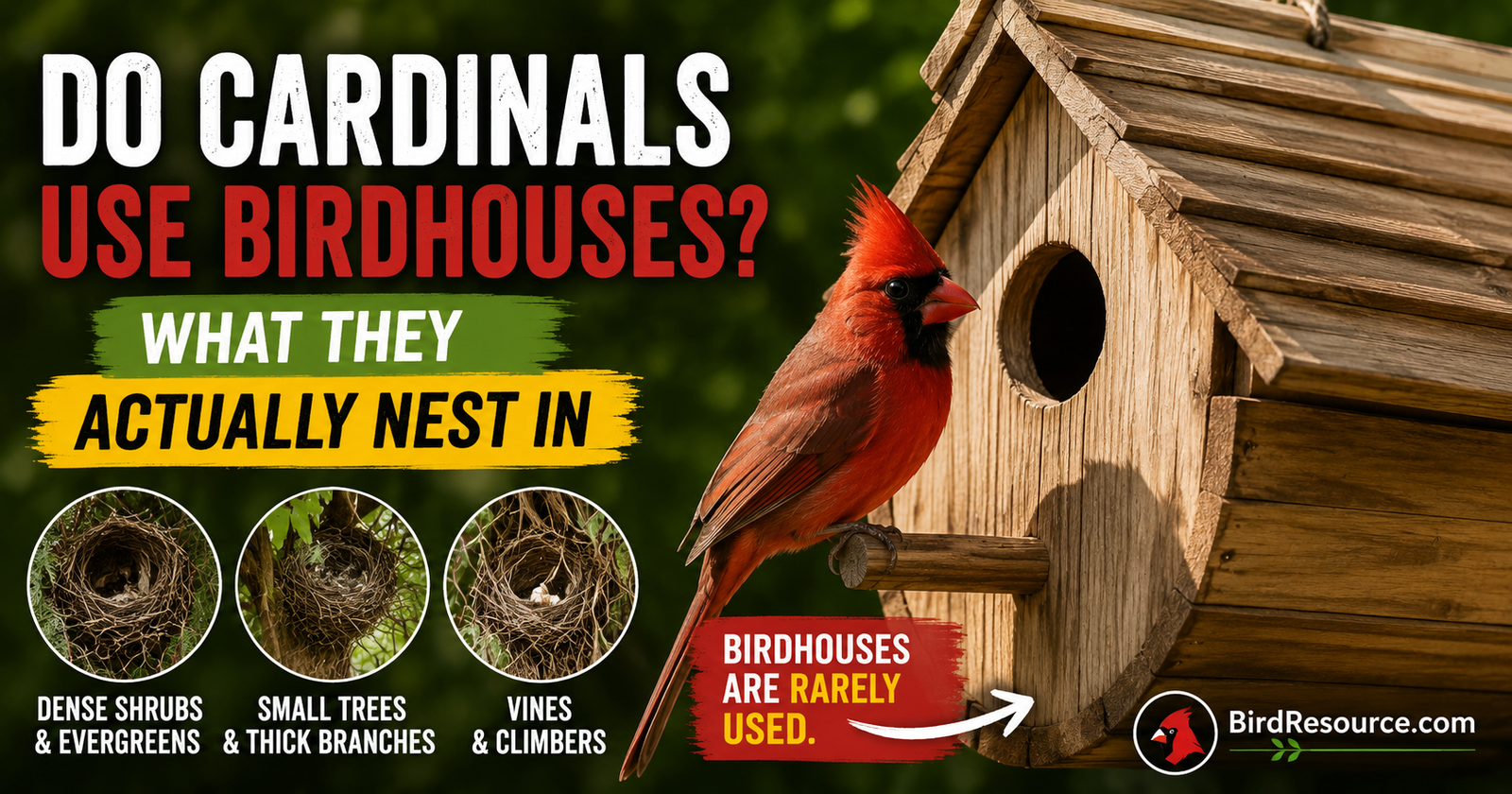
Cornell describes Northern Cardinals as birds of dense shrubby areas including forest edges, overgrown fields, hedgerows, backyards, thickets, and ornamental landscaping. They’re often seen sitting low in shrubs and trees or foraging on or near the ground.
Now picture the opposite.
A huge open lawn.
No shrubs.
No hedges.
No brush.
One bird feeder hanging out in the middle.
Cardinals can cross open areas.
But if I’m trying to make a property attractive to them, I want useful vegetation around the yard too.
A feeder is only one piece of the habitat.
Give Them Somewhere to Retreat
I don’t mean burying your feeder inside a giant bush.
Feeder placement also needs to account for predators, windows, squirrels, and cleanliness.
But I like having useful cover available in the surrounding area.
Watch a cardinal around your yard and you’ll understand why.
It may appear in a shrub.
Wait.
Move closer.
Visit the feeder.
Then retreat to vegetation again.
Cardinals can be surprisingly inconspicuous when they’re sitting inside dense growth. Cornell even notes that away from backyards they can be difficult to notice because of their preference for dense tangles.
Creating that habitat can be much more effective than endlessly buying different birdseed.
Your Yard May Need More Than a Feeder
Food gets most of the attention because it’s easy.
Buy seed.
Fill feeder.
Done.
But a cardinal-friendly yard provides more than that.
Water matters.
Cover matters.
Natural food matters.
Nesting habitat matters.
Audubon recommends providing cardinals with water and useful shelter, including shrubs and brushy habitat, in addition to feeding them.
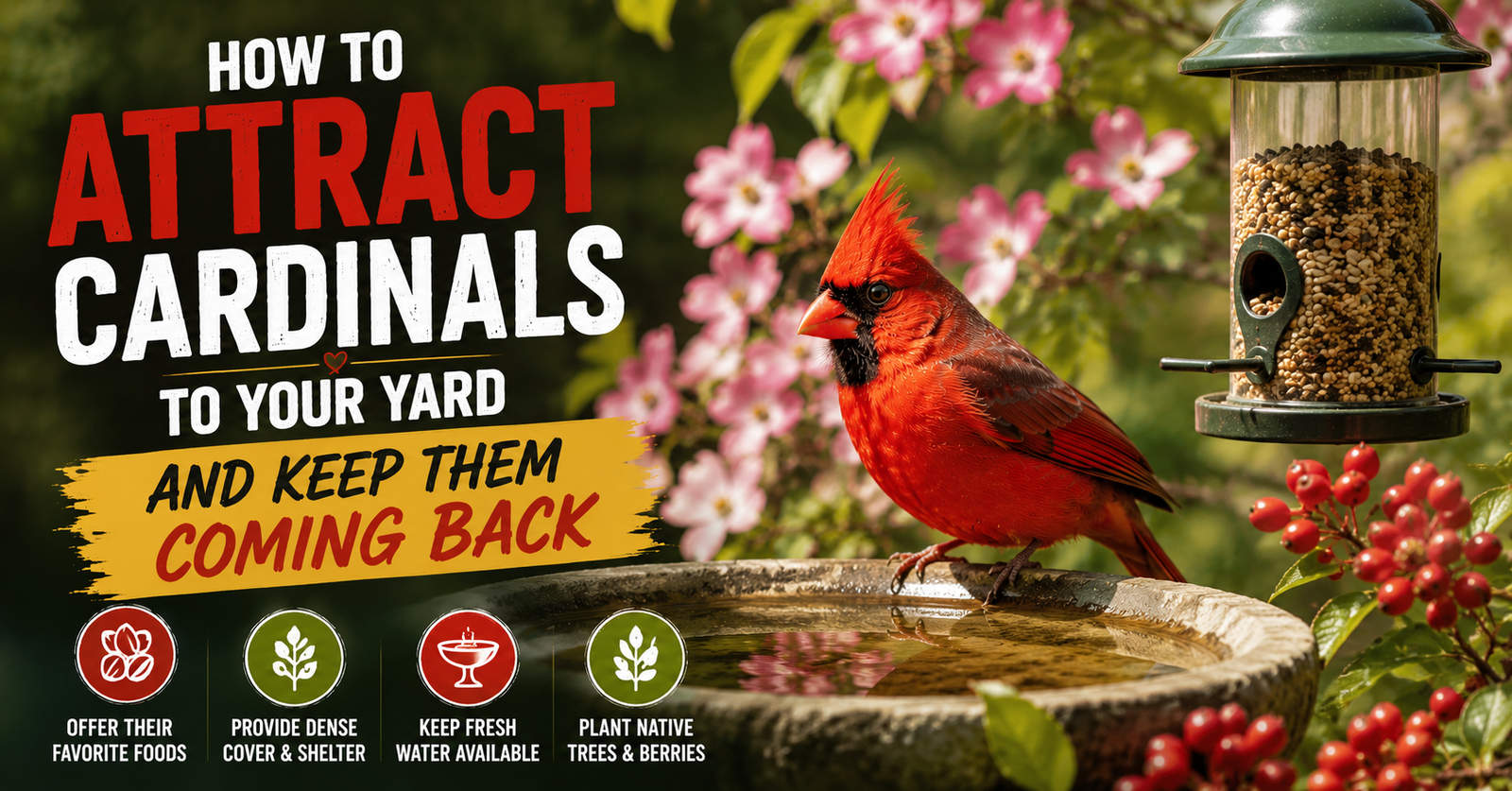
That’s why our guide on how to attract cardinals to your yard and keep them coming back doesn’t stop at birdseed.
I want the whole property to give the bird reasons to stay.
Your Seed May Be Old or Wet
Before buying anything new, put your hand in the feeder.
Look closely.
What’s happening in there?
Is the seed dry?
Does it smell normal?
Has moisture gotten inside?
Is there old material packed into the bottom?
Are you continuously pouring new seed over old seed?
Birdseed sitting outside doesn’t remain perfect forever.
Rain and humidity happen.
Feeders get dirty.
Seed gets contaminated.
If the food looks questionable to you, I wouldn’t expect the birds to be thrilled about it either.
Dump the bad seed.
Clean the feeder.
Let it dry.
Then start fresh.
A Dirty Feeder Isn’t Something I’d Ignore
Feeder cleanliness isn’t only about convincing cardinals to return.
It’s about bird health.
The U.S. Fish and Wildlife Service recommends cleaning feeders at least every couple of weeks and removing old, moldy, and discarded seed underneath them. It also recommends temporarily removing feeders if sick birds are observed.
I don’t wait until a feeder looks absolutely disgusting before thinking about cleaning it.
You’re concentrating wild animals around the same food source.
Some basic maintenance comes with that.
And if you’re troubleshooting why birds stopped using a feeder, cleaning it is one of the easiest variables to eliminate.
Something May Have Frightened Them
Think about what changed.
New dog?
Outdoor cat?
Construction?
Tree removal?
New patio activity?
A hawk regularly hanging around?
Someone moved the feeder?
A new object nearby?
Birds are constantly evaluating risk.
Cornell notes that feeder birds are always concerned with safety from predators, and birds may carry food away rather than remain exposed while eating.
If cardinals suddenly abandoned a feeder after years of predictable visits, I’d look around before blaming the birdseed.
What changed in their environment?
Sometimes the answer is surprisingly obvious once you start thinking like a bird.
Check for Outdoor Cats
This deserves its own section.
If a cat has started stalking the feeding area, birds have a very good reason to become cautious.
The U.S. Fish and Wildlife Service specifically recommends reconsidering feeder use when cats regularly visit the yard because feeding stations can concentrate birds where predators can exploit them.
Don’t create an ambush site.
Pay attention to vegetation directly around low feeding areas.
A cardinal likes cover.
A cat likes cover too.
Those two needs can conflict if the feeder is positioned badly.
A Hawk May Have Discovered Your Feeding Station
Bird feeders attract birds.
Predators notice birds.
That’s nature.
If a hawk begins hunting around your feeder, smaller birds may suddenly become much more cautious.
You may notice birds disappearing for periods, freezing in cover, or changing their feeding behavior.
I wouldn’t immediately start moving the feeder every time a hawk passes overhead.
But if you’re seeing repeated hunting activity right around the feeding station, it’s worth recognizing that your cardinals are evaluating that risk too.
They’re trying to eat without becoming someone else’s meal.
Bigger Birds May Be Dominating the Feeder
Bird feeders aren’t always peaceful little Disney scenes.
There’s competition.
Cornell’s Project FeederWatch research has documented dominance relationships among feeder birds, and larger species generally tend to dominate smaller species in direct interactions.
Watch your feeder for a while.
Is one aggressive bird occupying it for long periods?
Are cardinals waiting nearby?
Does your cardinal approach only after another bird leaves?
This is another reason I like feeders with enough room.
Sometimes adding another feeding location or spreading resources out can reduce the pressure around one crowded spot.
Cardinals May Be Visiting Earlier Than You Think
This one is easy to miss.
Maybe the cardinals didn’t stop coming.
You stopped seeing them.
Northern Cardinals can visit feeders throughout the day, but Cornell notes they’re often among the first birds arriving in the morning and the last lingering around feeders before dusk.
If you’re only watching the feeder around noon, you could be missing some of the best cardinal activity.
Try checking shortly after dawn.
Then watch again as evening approaches.
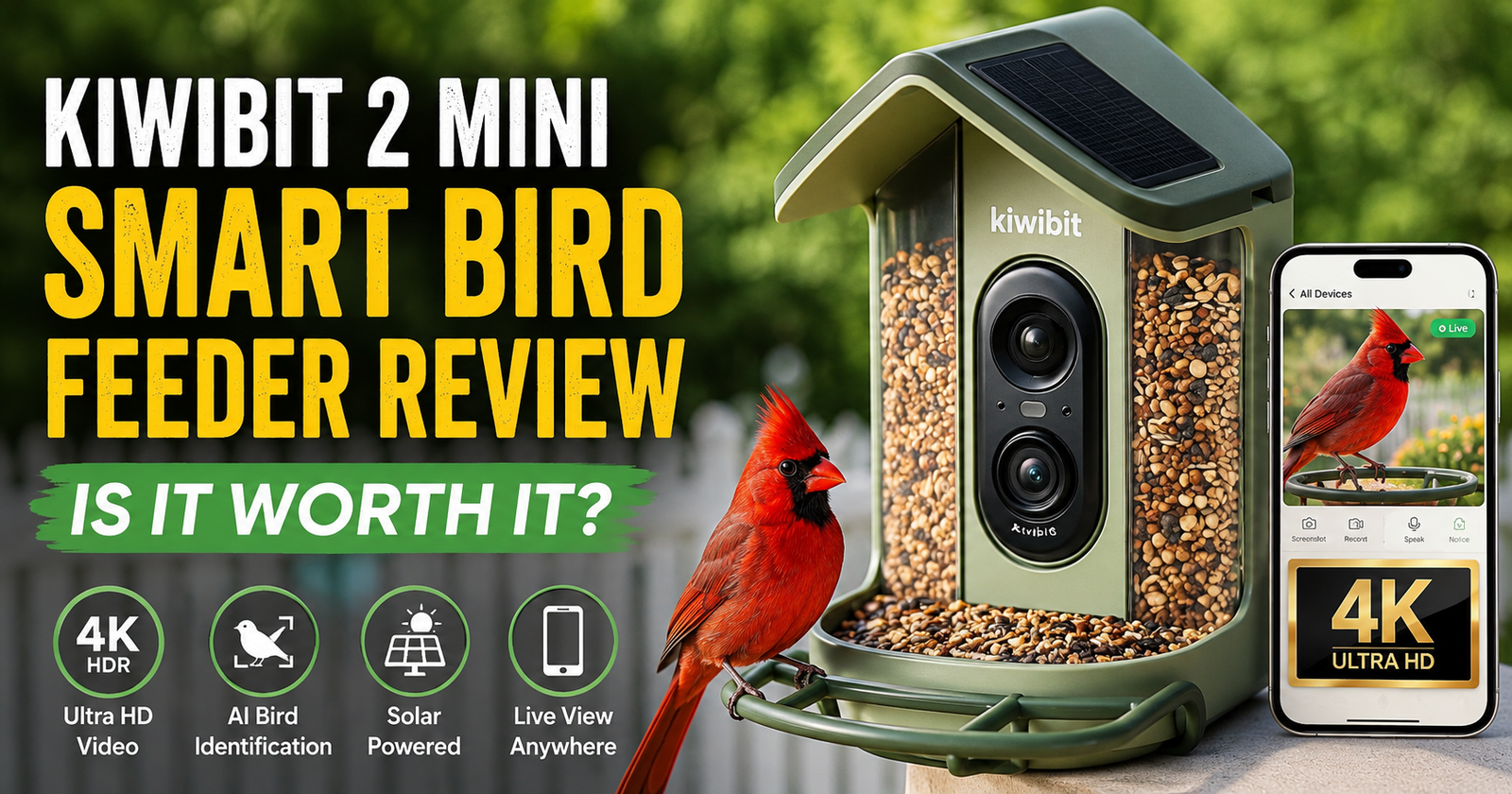
This is also where a camera feeder becomes genuinely interesting.
Instead of relying entirely on when you happen to look outside, you can see what visited while you weren’t watching.
This Is One Reason I Like Camera Bird Feeders
I used to think of camera feeders mostly as a fun gadget.
But there’s a practical advantage.
They answer the question:
“Is anything actually coming here when I’m gone?”
Maybe you think the cardinal disappeared.
Then you check the footage and discover he’s arriving at 6:20 every morning.
Or a female visits while you’re at work.
Or a juvenile cardinal has started showing up.
That’s one reason I like the Kiwibit Smart Bird Feeder 2 Mini we’ve looked at for cardinal watching. It combines the feeding area with a camera so you can see visitors you’d otherwise miss.

See the Kiwibit 4K smart bird feeder on Amazon
For somebody genuinely curious about what’s using the feeder throughout the day, I can see that becoming surprisingly useful.
Your Cardinals Haven’t Migrated South
This is another assumption I’d rule out.
Northern Cardinals are generally year-round residents rather than long-distance migrants.
If you normally have cardinals around your property and they seem to disappear during winter, don’t automatically assume they’ve flown hundreds of miles south.
They may have changed where they’re feeding or how they’re moving around the area.
They may be finding natural food elsewhere.
You may simply be seeing them less.
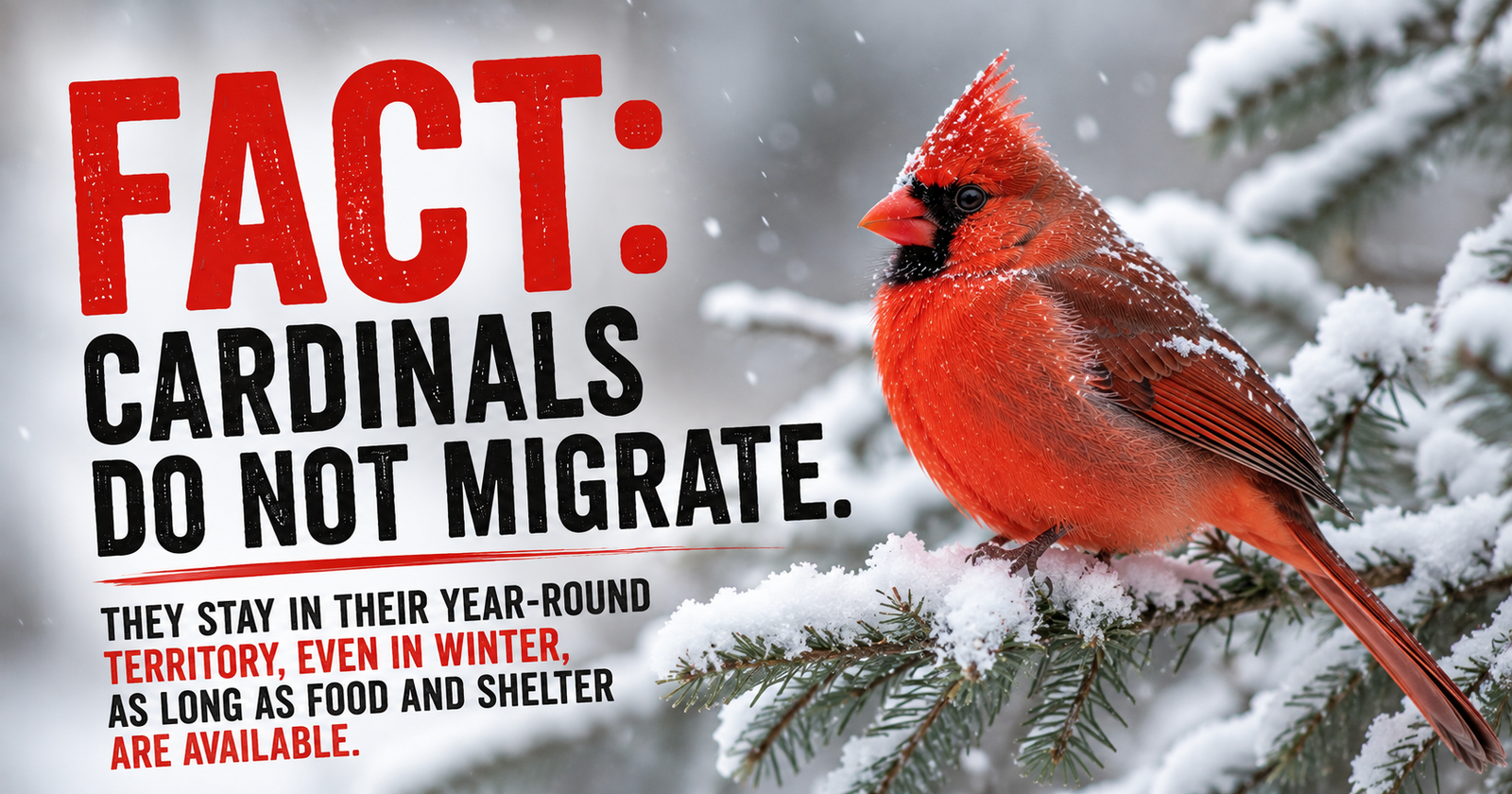
Our guide explaining whether cardinals migrate and where they really go in winter gets much deeper into what happens seasonally.
That bright red male you watched all summer may still be much closer than you think.
Your Cardinals May Be Around but Staying Hidden
Cardinals can be surprisingly sneaky for birds wearing that much red.
Dense vegetation changes everything.
A male cardinal sitting completely exposed on a bare branch is impossible to miss.
Put him inside a dense hedge and suddenly you may hear him without seeing him.
Females are even easier to overlook because their warm brown plumage blends much more naturally into branches and vegetation.
That’s why I’d listen too.
Cardinals have a distinctive metallic chip call that can reveal a bird you haven’t actually spotted.
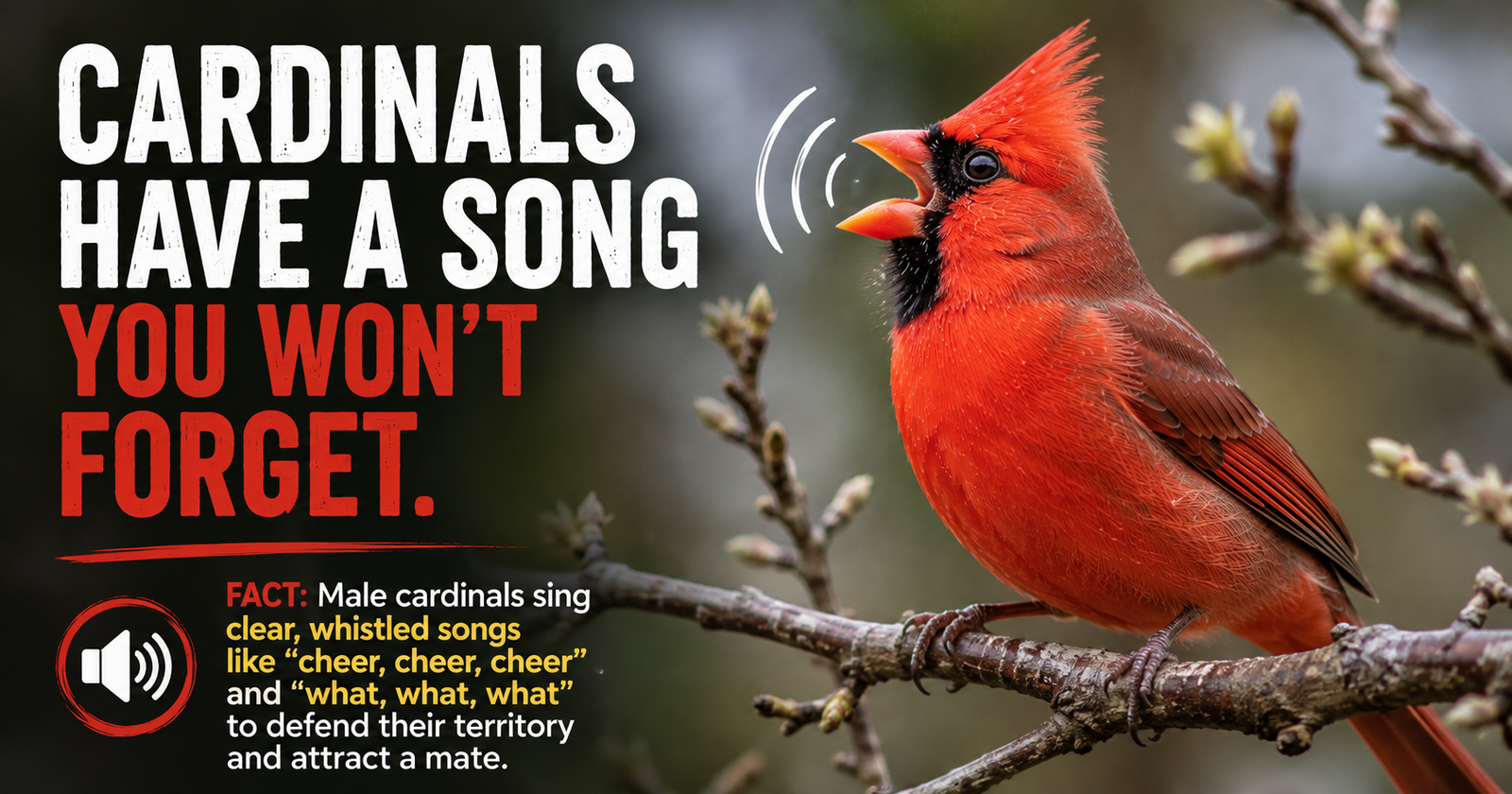
Our guide to what cardinals sound like and the calls you’re hearing can help if you’re trying to determine whether they’re still hanging around the property.
Sometimes your ears find the cardinal before your eyes do.
Moving Your Feeder Can Temporarily Reduce Visits
If you recently moved the feeder, give the birds some time.
You know it’s the same feeder.
The cardinal doesn’t necessarily interpret the situation that way.
Its familiar food source suddenly disappeared and a strange object appeared somewhere else.
Birds have to rediscover it.
This is why I don’t constantly relocate feeders while troubleshooting.
Change one thing.
Wait.
Observe.
Then change something else if necessary.
If you change the feeder, seed, location, pole, surrounding vegetation, and feeding schedule all at once, you won’t know which change actually mattered.
You May Simply Need More Patience
This especially applies to a brand-new feeder.
People sometimes expect:
Monday: hang feeder.
Tuesday: twenty cardinals.
Wildlife doesn’t work on our schedule.
If Northern Cardinals regularly live around your neighborhood, you’re offering suitable food, the feeder is accessible, and the surrounding habitat makes sense, give them time to discover it.
I would rather make a few thoughtful choices and wait than spend the next three weeks moving the feeder to a different tree every afternoon.
If I Had Cardinals but They Suddenly Disappeared, Here’s What I’d Do
I’d start by not panicking.
First I’d inspect and clean the feeder.
Then I’d replace questionable seed with fresh black oil sunflower.
I’d watch early in the morning and again toward dusk.
I’d look for evidence of cats, hawks, or major disturbances.
I’d watch nearby shrubs rather than staring only at the feeder.
I’d think about what’s naturally available around the property right now.
I’d consider whether it’s breeding season and adults may be busy caring for young.
And then I’d give the birds some time.
That’s a much better approach than buying five new feeders because a cardinal skipped breakfast.
If Cardinals Have Never Used Your Feeder, I’d Do Things Differently
Now I’m more interested in the setup itself.
Are Northern Cardinals actually common around your neighborhood?
Do you hear or see them elsewhere?
Are you offering sunflower or safflower?
Can a cardinal comfortably perch on the feeder?
Is there useful habitat around the yard?
Is the feeding station reasonably safe?
Is the seed fresh?
If the answer to several of those questions is no, you’ve got somewhere to start.
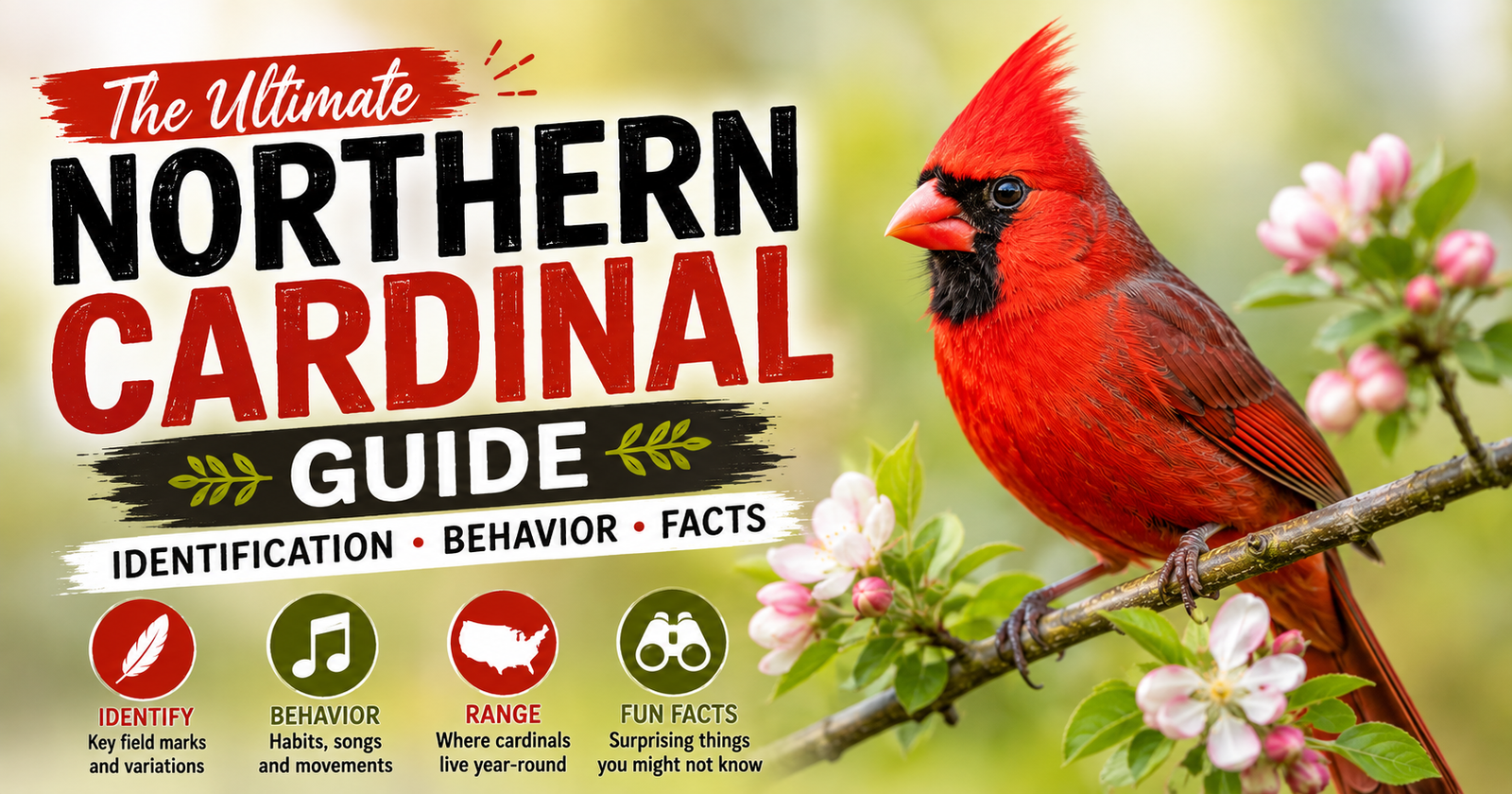
And if you don’t know whether the bird you’re seeing nearby actually is a Northern Cardinal, our Northern Cardinal identification guide will help you confirm it.
Don’t Keep Adding More Seed to Solve the Wrong Problem
This is probably my biggest takeaway.
When a bird stops coming to a feeder, our natural reaction is:
More food.
But food may not be the problem.
Maybe there’s abundant natural food.
Maybe they’re raising young.
Maybe the feeder is uncomfortable.
Maybe there’s a cat underneath it.
Maybe the seed is wet.
Maybe they’re visiting at dawn.
Maybe the yard lacks cover.
Maybe the cardinal is sitting 20 feet away inside a shrub and you simply haven’t noticed.
The feeder is only one small part of the bird’s world.
Once you start looking at the whole backyard from the cardinal’s perspective, figuring out why it isn’t visiting becomes much easier.
Common Questions About Cardinals Not Visiting Feeders
Why did my cardinals suddenly stop coming to my feeder?
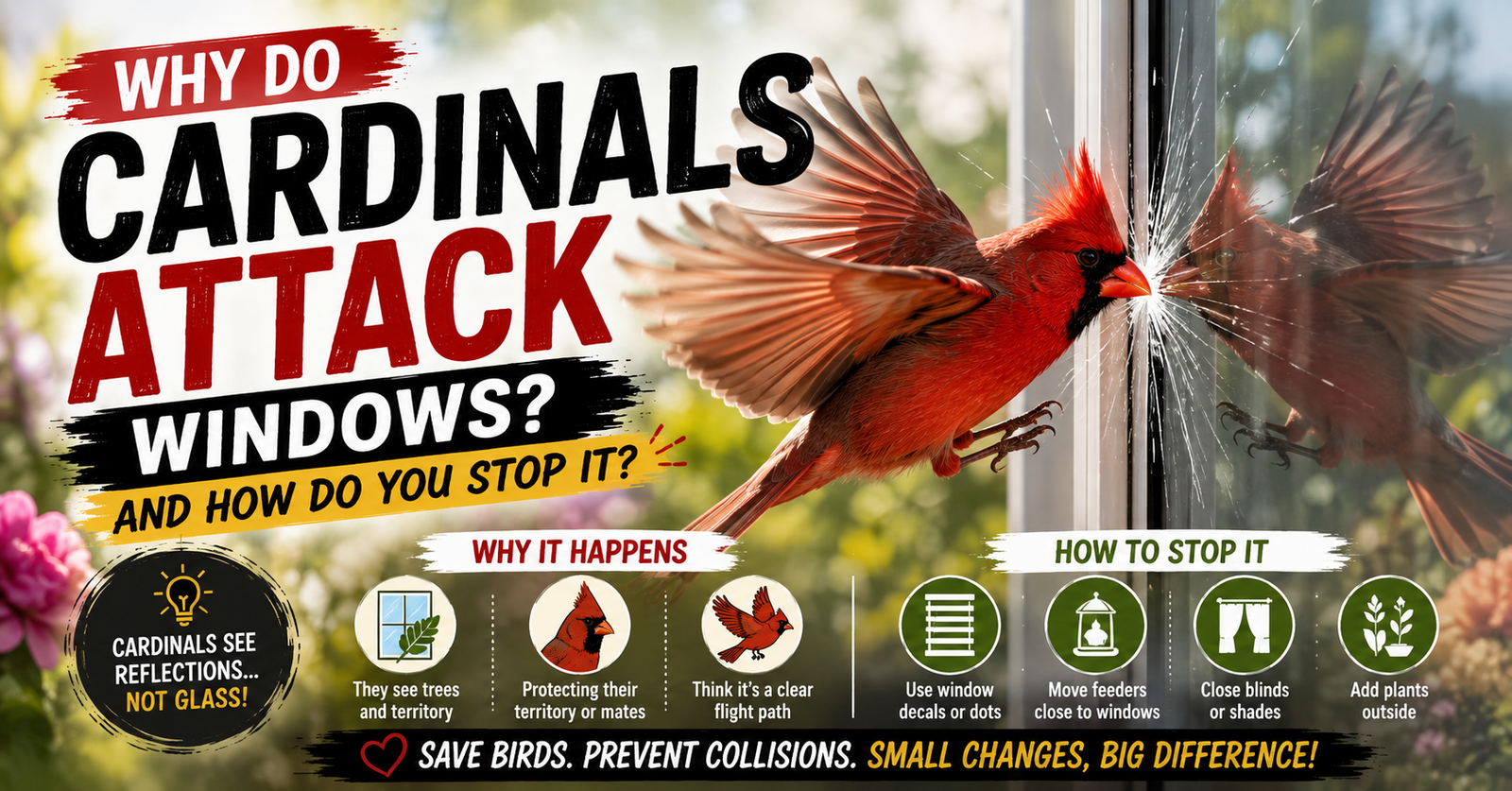
One possibility is that abundant natural food has become available. Cornell specifically notes this as a reason cardinals and other birds may temporarily stop visiting feeders. Breeding activity, predators, disturbances, feeder condition, and changes in feeding routines can also play a role. During breeding season, territorial changes may also lead to behaviors such as cardinal territorial behavior near windows.
What is the best seed to bring cardinals back?
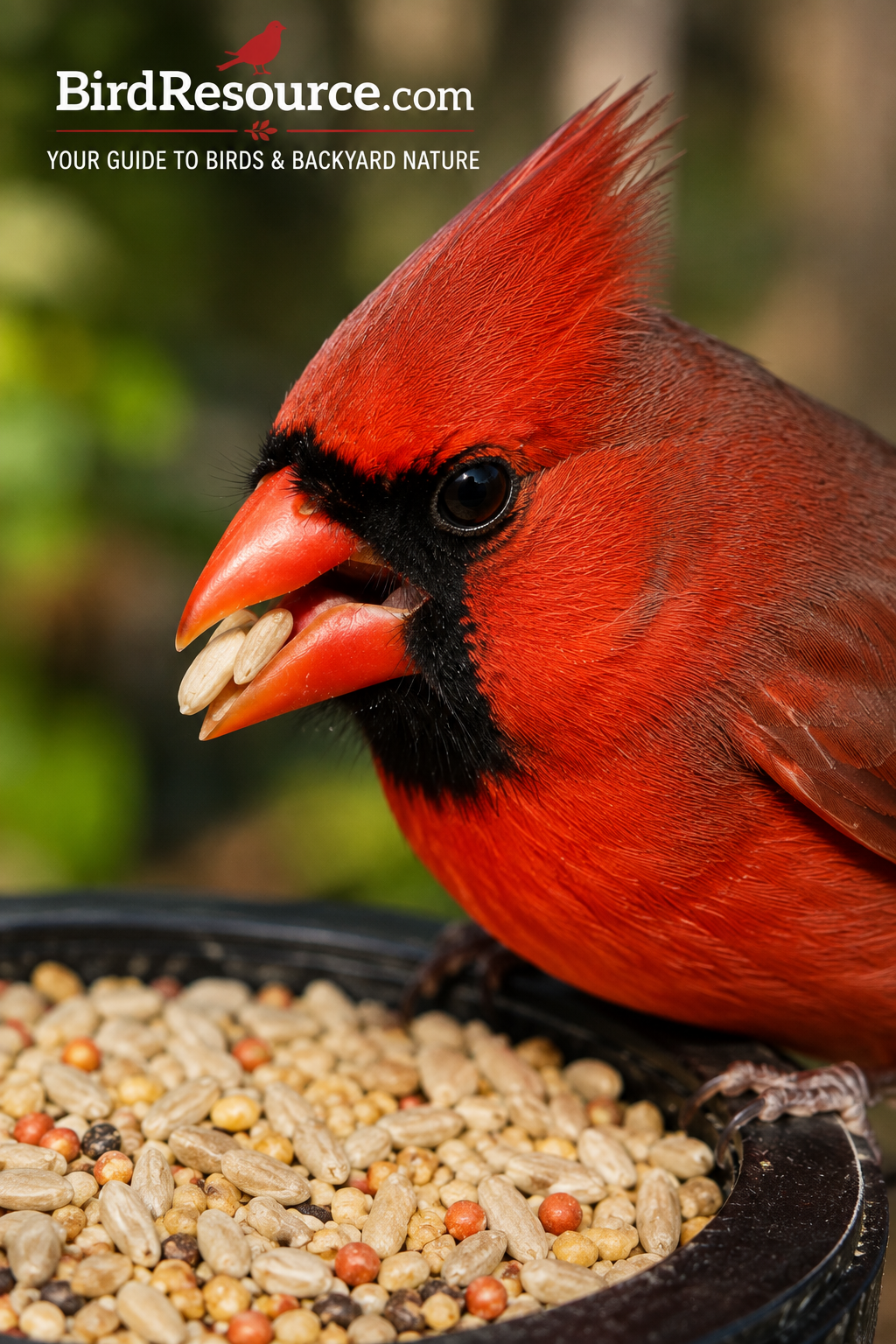
I’d start with fresh black oil sunflower seed. Audubon identifies it as one of the strongest choices for attracting Northern Cardinals. Safflower is another food they readily eat.
Why do cardinals eat underneath my feeder but not on it?
That makes me suspicious of the feeder design. If they’re happily eating spilled seed underneath but avoiding the feeder itself, check whether the perches or feeding area are large enough for a cardinal to use comfortably.
What time of day do cardinals visit bird feeders?
They can visit throughout the day, but Northern Cardinals are often among the earliest feeder visitors in the morning and among the last birds lingering around dusk.
Do cardinals stop visiting feeders while nesting?
They don’t necessarily stop, but breeding and parental responsibilities can change their behavior. Nestlings are fed mostly insects, and parents continue feeding young cardinals after fledging.
Will cardinals come back after disappearing?
Very possibly. A temporary absence doesn’t mean your cardinals permanently left. Changes in natural food, season, breeding activity, predators, or daily routines can all affect feeder use.
Should I move my feeder if cardinals aren’t coming?
Not immediately. I’d first check the seed, cleanliness, feeder design, nearby cover, predator activity, and whether cardinals are visiting at times you’re not watching. Constantly moving the feeder can make troubleshooting harder.
Does safflower attract cardinals?

Yes. Cardinals readily eat safflower seed. It’s particularly interesting when squirrels are causing trouble because squirrels often find it less attractive than sunflower, although some squirrels will still eat it. If you want to test safflower at your feeder, a safflower seed option for cardinals is one option to consider.
How long should I wait for cardinals to find a new feeder?
There’s no exact number of days that applies to every yard. If cardinals live nearby and the feeder, food, and location are suitable, I’d give them time to discover and become comfortable with it rather than continually changing the setup.
Why can I hear cardinals but never see them at my feeder?
They may be staying inside nearby vegetation. Northern Cardinals spend considerable time low in shrubs, trees, hedgerows, and dense tangles, where even bright males can be surprisingly difficult to spot.
If you know cardinals live around your property, I’d resist the urge to completely rebuild the feeding station after a few quiet days.
Put out food they actually want.
Give them a comfortable place to eat.
Keep the feeder clean.
Provide useful cover and water around the property.
Then pay attention to what changed when they disappeared.
You might discover the cardinals never really left at all.
Mason Reed is the Backyard Birding & Behavior Contributor for BirdResource.com, where he focuses on practical backyard birding, bird behavior, feeding, identification, and helping everyday birdwatchers understand what’s actually happening outside their windows.