
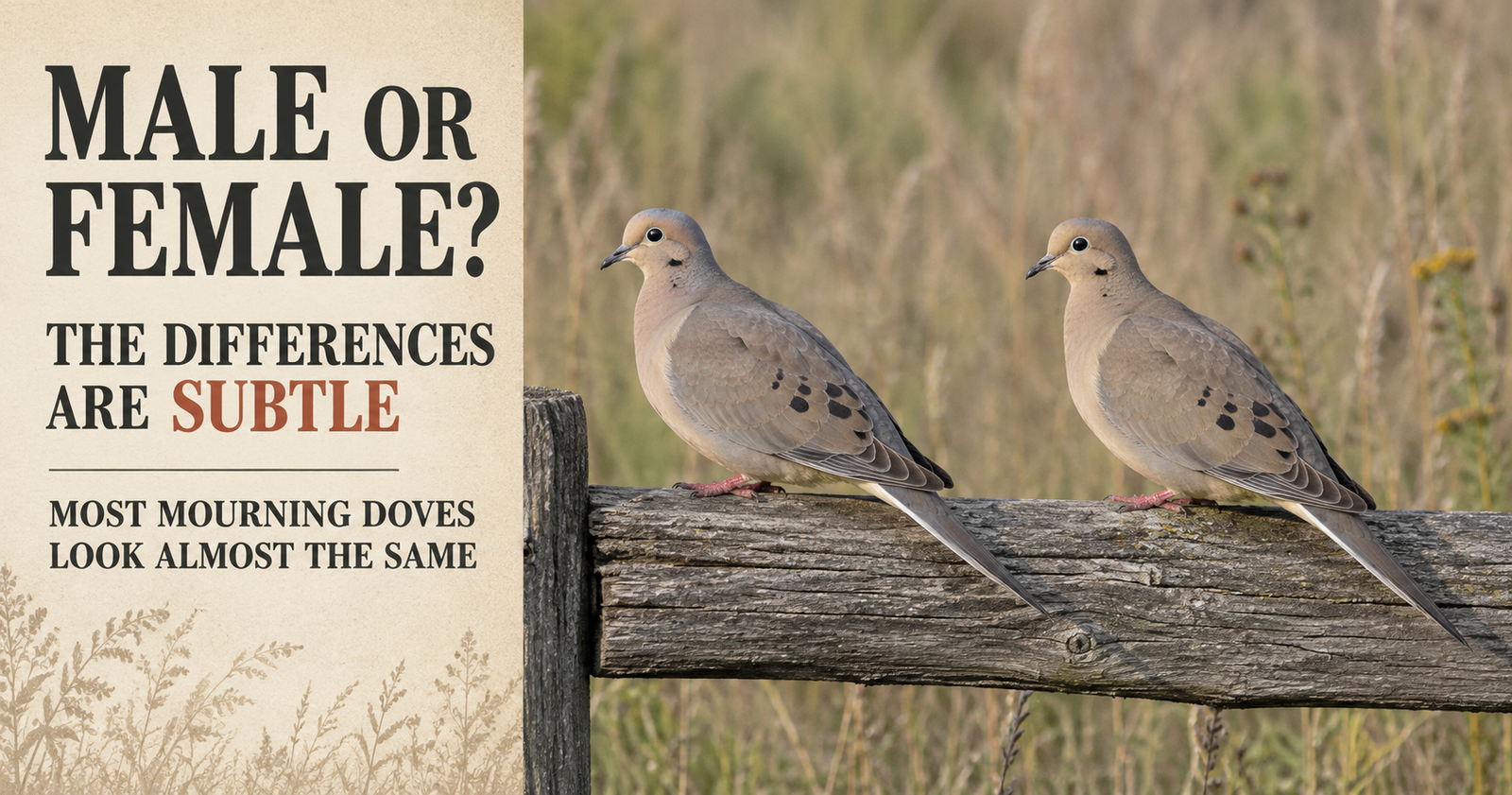
If you’re trying to decide whether the Mourning Dove in your yard is male or female, don’t feel bad if you keep changing your mind.
Male and female Mourning Doves look incredibly similar.
This isn’t like identifying Northern Cardinals, where an adult red male and brownish female can look dramatically different.
With Mourning Doves, I look for a combination of subtle clues.
The male usually has a more bluish-gray crown, slightly more colorful pinkish or rosy tones around the breast, and noticeable iridescent coloring along the sides of the neck. Females tend to look somewhat browner and more muted overall.
But here’s the important part:
I wouldn’t confidently sex every Mourning Dove from color alone.
Lighting can change what you’re seeing. Individual birds vary. Feathers wear. Photographs can distort colors.
If I can also watch the birds behave, especially during courtship and nesting, identification gets considerably easier.
The Fastest Way to Compare a Male and Female Mourning Dove
If you’re lucky enough to have a pair standing together, start with the head and chest.
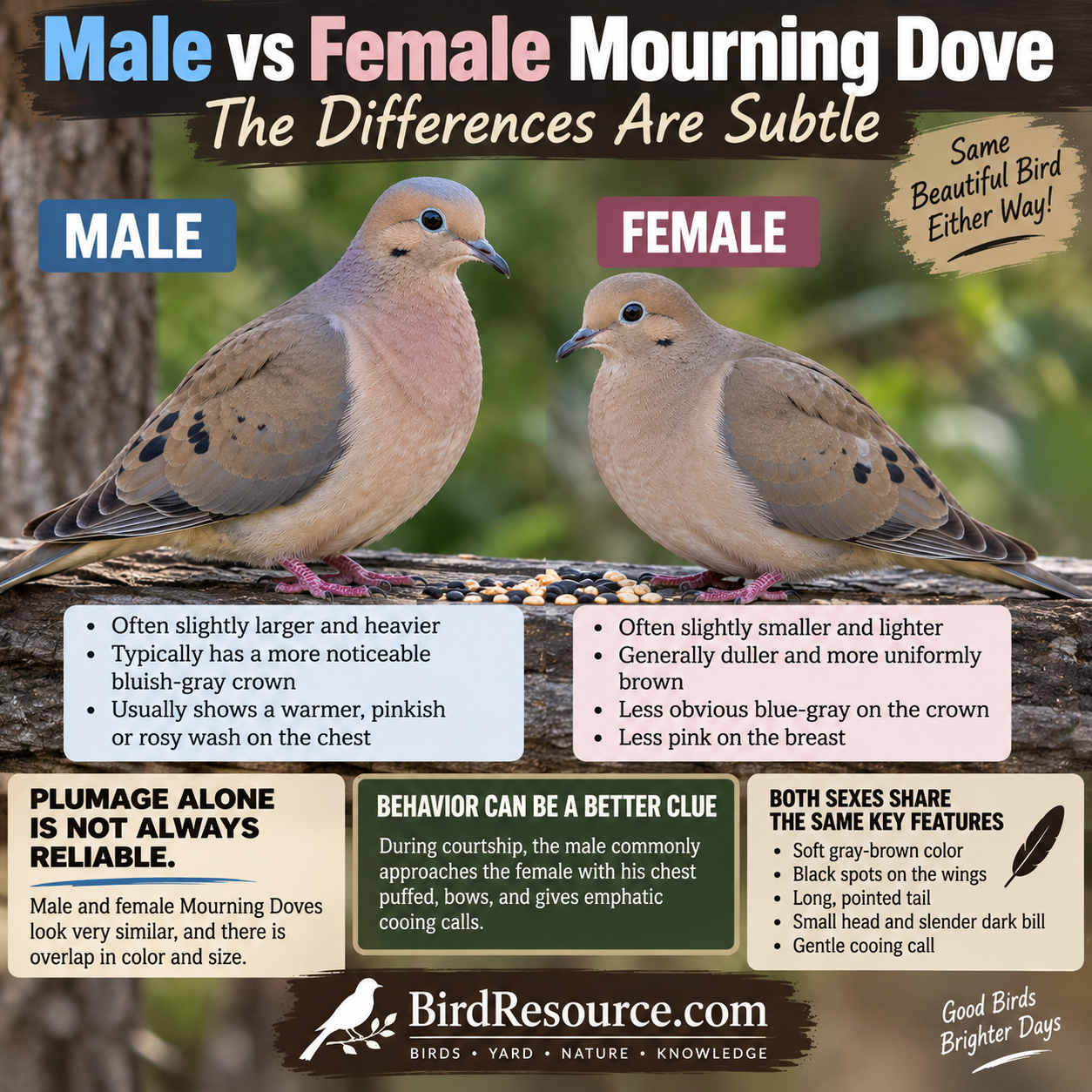
Male Mourning Dove
An adult male typically shows:
a more bluish-gray crown,
a slightly rosier or pinkish chest,
stronger iridescent coloration along the neck,
and an overall appearance that can seem a little more colorful.
Female Mourning Dove
An adult female generally appears:
browner around the head,
more muted across the breast,
less strongly iridescent around the neck,
and slightly more subdued overall.
Those differences are real, but they’re not dramatic.
The Cornell Lab’s Mourning Dove identification guide describes males and females as very similar, which is exactly why I don’t like identification guides that make this sound easier than it is.


Look at the Top of the Head First
If I had to choose one place to start, I’d look at the crown.
A male Mourning Dove often has a bluish-gray crown that contrasts more noticeably with the rest of his warm brown body.
A female’s head generally looks browner and blends more smoothly with her body coloration.
This clue works best when:
both birds are adults,
you’re seeing them in good natural light,
and preferably you can compare two birds at once.
One random dove photographed through a tinted window on a cloudy afternoon is much harder.
That’s why comparison helps so much.
| Feature | Male Mourning Dove | Female Mourning Dove |
|---|---|---|
| Head Color | More bluish-gray on the crown | Generally browner and more muted |
| Breast Color | Often shows a stronger pink or rosy wash | Usually more buff-brown and subdued |
| Neck Color | Iridescent pink, purple, or green tones can appear stronger | Iridescent coloring is generally less noticeable |
| Overall Appearance | Usually slightly more colorful | Usually slightly browner and duller |
| Body Size | Can average slightly larger | Can average slightly smaller |
| Familiar Perch-Coo | Commonly given by unmated males | Not the typical advertising perch-coo singer |
| Courtship | Performs prominent displays and courtship flights | Responds to and evaluates courting males |
| Nest Building | Collects and delivers nesting material | Receives and arranges material into the nest |
| Incubation | Usually takes more of the midmorning-to-afternoon shift | Usually incubates from later afternoon through the night and morning |
| Feeding Babies | Feeds young and produces crop milk | Feeds young and produces crop milk |
| Easy to Tell Apart? | No. Plumage differences are subtle, so behavior is often the better clue. | |
Then Check the Breast
The male can show more of a pinkish or rosy wash across the breast.
The female tends to look more buffy-brown and subdued.
Again, we’re talking about a difference in intensity rather than completely different colors.
You’re not looking for:
pink bird versus brown bird.
You’re looking for:
slightly rosier bird versus slightly browner bird.
Once you’ve watched a known pair together several times, the difference can become easier to notice.
The Neck Can Give You Another Clue
Both sexes can show iridescent feathers around the neck, but males generally display them more strongly.
Depending on the light, those feathers can flash pink, purple, or greenish tones.
This is one of those features that may disappear completely when the bird turns.
Then it moves its head half an inch and suddenly the neck glows.
That’s structural coloration interacting with light, so viewing angle matters tremendously.
I wouldn’t identify a female simply because I couldn’t see iridescence in one photograph.

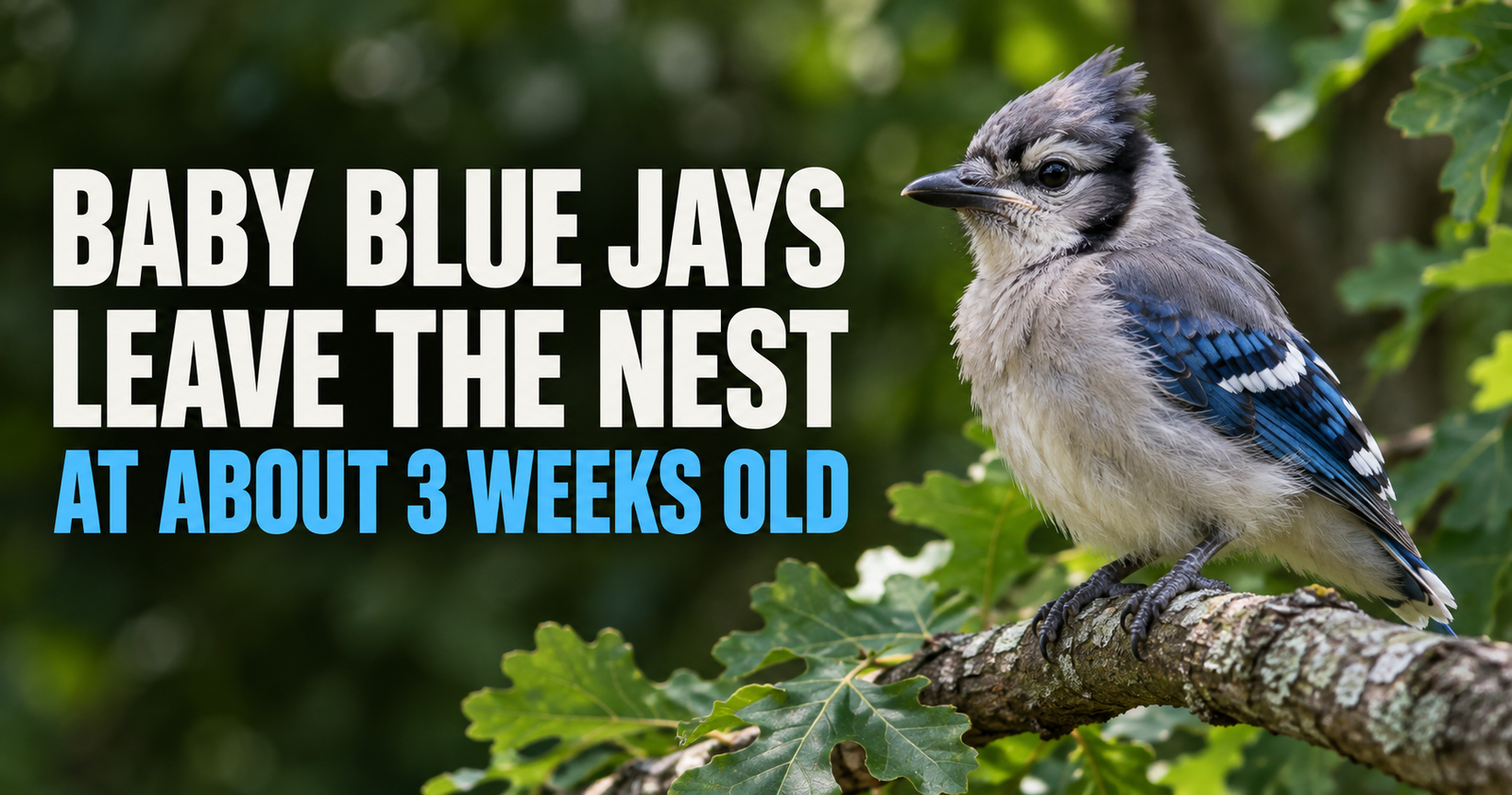
Are Male Mourning Doves Bigger Than Females?
Male Mourning Doves can average slightly larger, but size isn’t the clue I’d rely on in the backyard.
There’s too much overlap between individual birds.
Perspective can also fool you.
A bird six feet closer to the camera looks larger.
A dove standing upright looks different from one crouching.
Fluffed feathers change apparent body size.
Unless two birds are positioned conveniently beside one another, I’d put much more weight on plumage and behavior.
Do Male Mourning Doves Have Different Wing Spots?
Not enough to make wing spots my sexing method.
Both males and females have the characteristic dark spots on their wings.
Those spots are excellent for identifying the species.
They’re much less useful for deciding whether you’ve got a male or female.
The same goes for the long pointed tail with white outer edges.
Those are classic Mourning Dove features shared by both sexes.
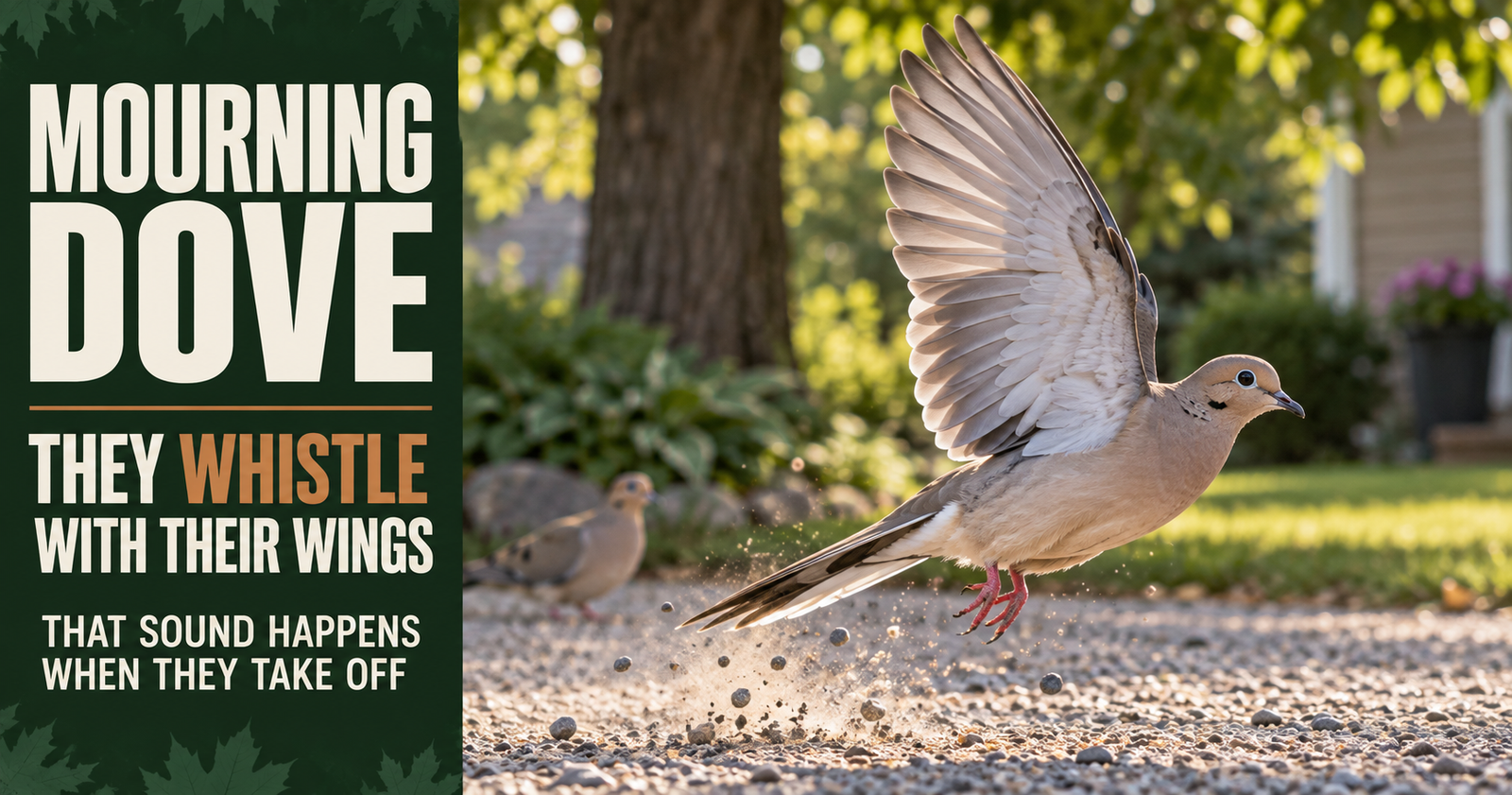
If you first need to make sure the bird really is a Mourning Dove, our complete Mourning Dove identification and behavior guide covers the overall appearance in much more detail.

Behavior Can Be More Useful Than Color
This is where identification gets easier.
During breeding season, males and females don’t behave identically.
A male Mourning Dove may:
coo repeatedly from a prominent perch,
perform courtship flights,
pursue a female,
bow and coo around her,
and bring nesting material during construction.
The female has her own role during courtship and nesting.
When I can see those behaviors clearly, I have information that a still photograph can’t give me.
That Dove Cooing From the Power Line May Be a Male
The familiar Mourning Dove song is particularly useful here.
Cornell describes the well-known perch-coo as being given by unmated males.
That’s the sound people often mistake for an owl.
A male may sit on a conspicuous perch and repeatedly deliver that slow mournful call while advertising himself.
So if you’ve got one dove parked on the same wire every morning going:
coo-OOO-oo… oo… oo
there’s a good chance you’re watching a male.
Our upcoming Mourning Dove sound guide will go deeper into the different calls because the famous coo isn’t the only sound these birds make.
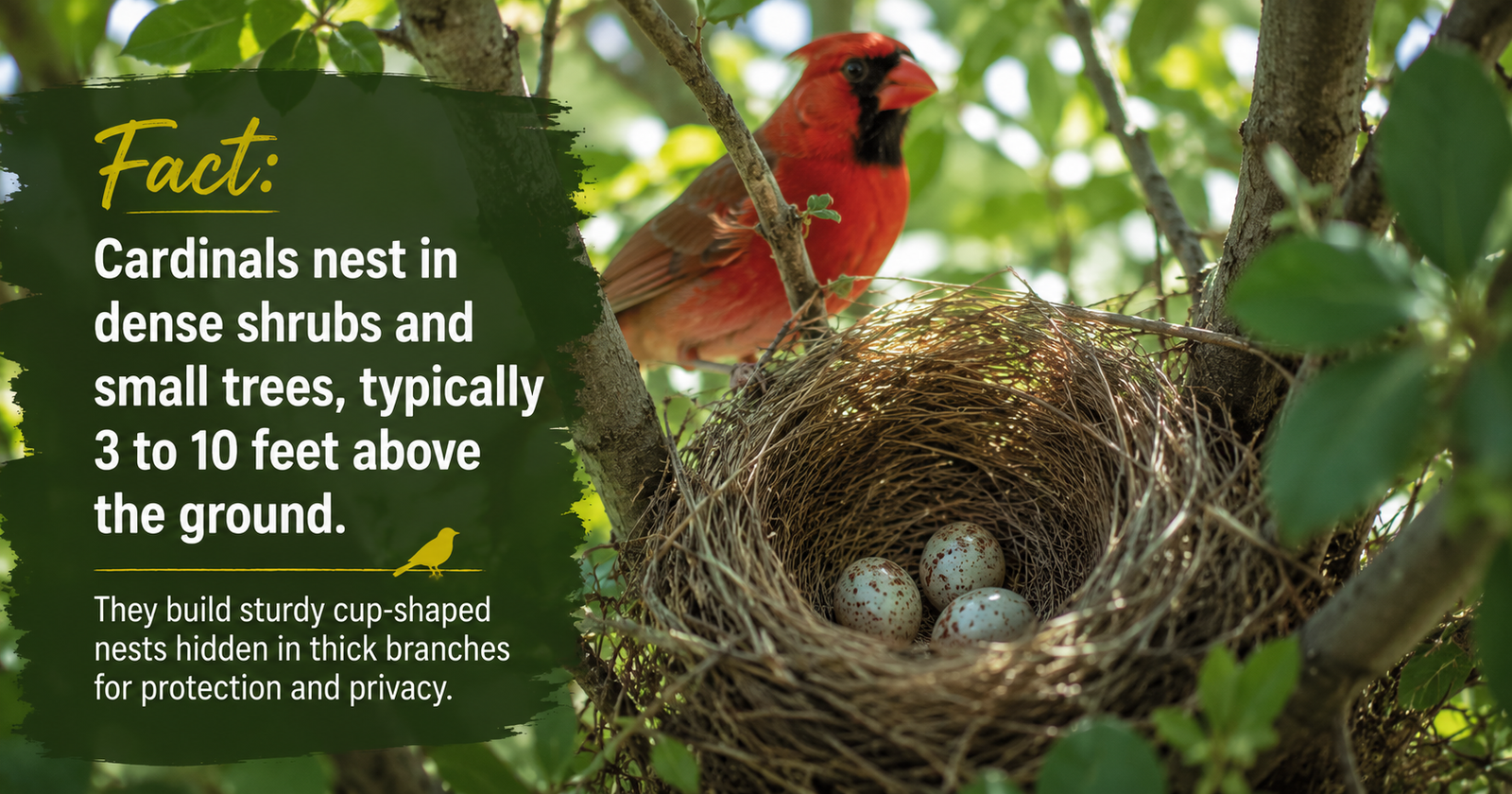

Male Mourning Doves Put on an Aerial Show
Courtship can give you another strong clue.
A male may launch into a display flight with noisy wingbeats, climb steeply, and then glide downward with his wings held stiffly.
It’s a much more dramatic performance than you might expect from the quiet brown bird normally picking seeds off your driveway.
If you’re watching one bird repeatedly performing aerial displays around another dove during breeding season, the displaying bird is likely the male.
That’s much stronger evidence than trying to decide whether its head looks 5 percent bluer.
Watch What Happens When They Build a Nest
Mourning Dove nest construction gives us one of the clearest behavioral differences between the sexes.
The male gathers the nesting material.
The female arranges it into the nest.
According to the Cornell Lab’s Mourning Dove life-history account, the male brings twigs to the female, sometimes standing on her back while passing the material to her.
She takes those pieces and builds the actual nest.
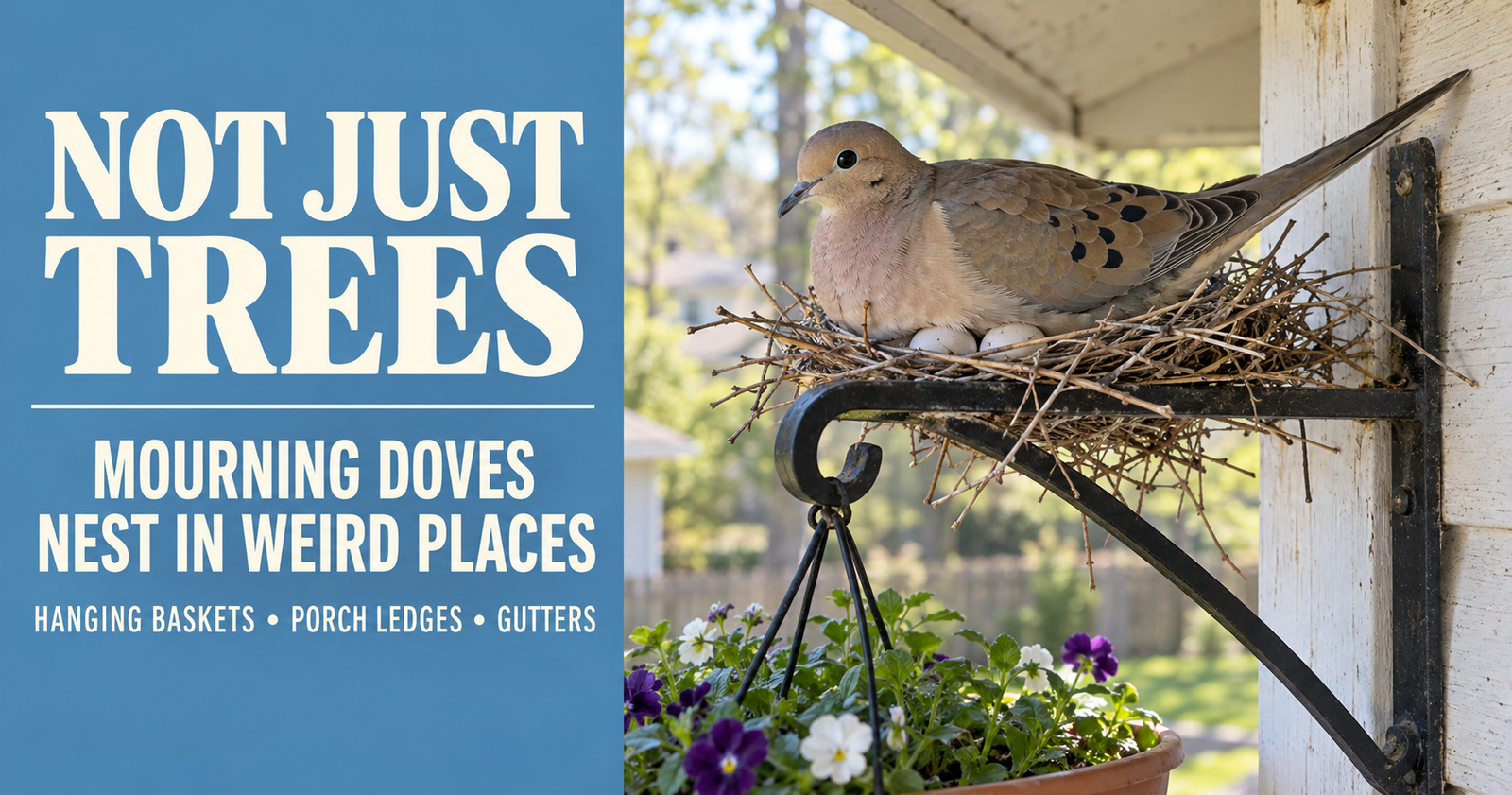
So if you see a Mourning Dove repeatedly arriving with twigs during nest construction, you’re likely watching the male. Following those twig-carrying trips can also help you discover where Mourning Doves build nests.
If you’re watching the bird receiving and arranging those twigs, that’s the female.
That’s a much better identification clue than body size.
Which Mourning Dove Sits on the Eggs?
Here’s where it gets especially interesting.
Both of them.
Male and female Mourning Doves share incubation.
But they tend to work different shifts.
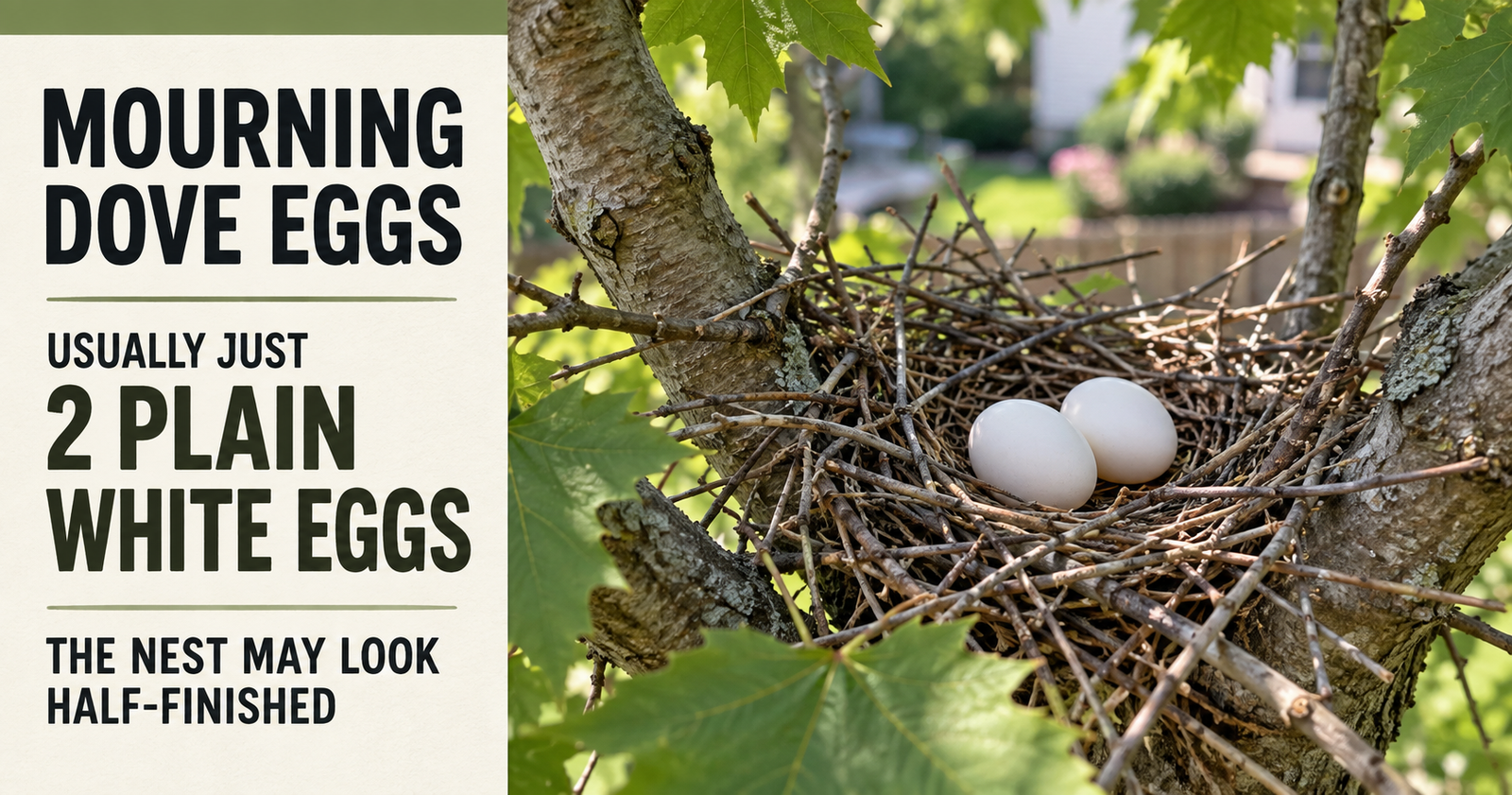
Cornell reports that the male generally incubates from midmorning through afternoon, while the female usually takes over for the remainder of the day and night. That shared schedule is part of the broader nesting story explained in Mourning Dove incubation details.
That’s incredibly useful if you’re watching a known nest responsibly from a distance.
The dove sitting on the eggs at noon is more likely to be Dad.
The dove spending the night on the nest is Mom.
It’s not an identification rule I’d apply to every minute of every nesting attempt, but it’s a much stronger clue than guessing from plumage.
Both Parents Feed the Babies Too
The teamwork continues after the eggs hatch.
Both parents produce crop milk, the nutrient-rich food Mourning Dove babies receive early in life.
That’s another unusual feature of doves and pigeons.
Dad isn’t merely guarding the territory while Mom does all the feeding.
Both parents are heavily involved.
Later, seeds become increasingly important in the youngsters’ diet.
We’ll cover this closely in What Do Baby Mourning Doves Eat? because crop milk deserves much more explanation than it can get here.
Can You Tell Male and Female Mourning Doves Apart by Their Calls?
Sometimes behavior associated with a call helps, but I wouldn’t expect every sound to neatly identify sex.
The familiar perch-coo is particularly associated with unmated males.
Paired males also make a nest call while showing potential nest sites to females.
Females vocalize too.
The Cornell Lab’s recordings of Mourning Dove sounds are especially useful because hearing the calls is much better than trying to understand them from written “coo” descriptions.
For everyday identification, I’d combine sound with what the bird is actually doing.
Is the Mourning Dove Sitting Alone a Male or Female?
You usually can’t know from that fact alone.
Both sexes perch alone.
Both feed.
Both fly around the neighborhood.
Both can sit on wires and rooftops.
This is where people start inventing identification rules because they really want an answer.
“The lone dove is probably male.”
Not necessarily.
“The shy one is female.”
No.
“The bigger one is definitely male.”
Not reliably.
Sometimes the correct answer is simply:
I can’t tell from what this bird is doing right now.
That’s better than confidently being wrong.
What About Two Mourning Doves Sitting Together?
Now you’ve potentially got more clues.
During breeding season, two Mourning Doves spending a lot of time together may be a bonded pair.
Watch their interaction.
Paired Mourning Doves may preen each other around the head and neck, sit closely together, touch bills, and participate in courtship and nesting behavior.
If one bird consistently appears slightly more colorful with the bluish crown and rosier chest, that may help identify the male.
But two doves sitting on the same wire aren’t automatically husband and wife.
Outside breeding situations, Mourning Doves can gather in groups.
Behavior plus plumage gives you the better answer.
Can You Tell Juvenile Male and Female Mourning Doves Apart?
Not reliably in the backyard.
Juvenile Mourning Doves already look different enough from adults that I’d focus first on determining the bird’s age.
Young birds have a more scaled or spotted appearance because of pale edging on their feathers.
As they mature, they begin looking more like the smooth-plumaged adults people recognize.
Trying to determine the sex of a young bird from subtle adult color differences isn’t something I’d trust from casual observation.
We’ll tackle juvenile identification properly in our baby Mourning Dove guide.
Male vs Female Mourning Dove at a Glance
If I’ve got two adult Mourning Doves together in good light, here’s what I’m looking for.
Male
More bluish-gray on the crown.
Slightly stronger pink or rosy coloring on the breast.
More noticeable iridescent neck coloration.
Performs prominent courtship displays.
Gives the familiar advertising perch-coo.
Collects nesting material.
Usually handles more of the daytime incubation shift.
Female
Head generally appears browner.
Breast coloration tends to be more muted.
Neck iridescence can be less pronounced.
Receives and arranges nesting material.
Usually incubates through the night and much of the early morning.
Lays the eggs.
The key word throughout that comparison is usually.
Wild birds don’t always position themselves under perfect identification lighting and follow a checklist for us.
Common Questions About Male and Female Mourning Doves
Are male Mourning Doves darker than females?
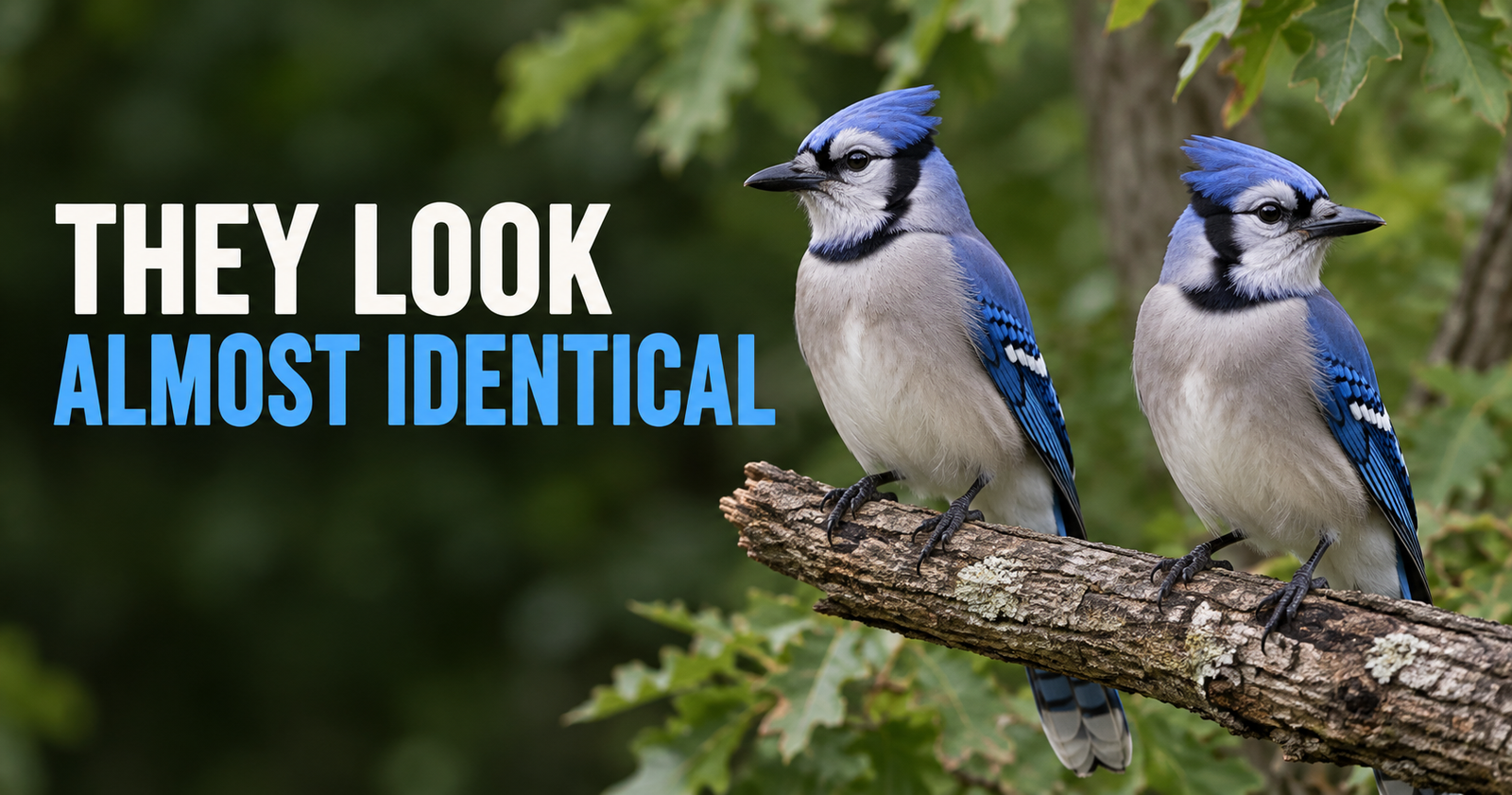
Males are generally somewhat more colorful rather than simply darker. Look for a bluish-gray crown, rosier breast, and stronger iridescence around the neck. Females tend to appear browner and more subdued. Blue Jays provide a useful contrast, since their male and female plumage is much harder to separate visually; see male and female Blue Jay differences for the identification clues that matter most.
Do male and female Mourning Doves have different colored heads?
Slightly. Adult males commonly show a more bluish-gray crown, while females generally look browner around the head.
Which Mourning Dove makes the famous cooing sound?
The familiar advertising perch-coo is particularly associated with unmated males.
Which Mourning Dove builds the nest?
Both contribute, but they have different jobs. The male gathers nesting material and brings it to the female, while she arranges the material into the nest.
Does the male Mourning Dove sit on the eggs?
Yes. Both sexes incubate. The male generally takes a daytime shift, while the female usually incubates from later afternoon through the night and into the morning.
Do male Mourning Doves feed their babies?
Yes. Both parents feed their young, and both can produce crop milk.
Are male Mourning Doves bigger?
Males can average slightly larger, but size overlaps enough that I wouldn’t use it as my primary backyard identification method.
Can you tell the sex of one Mourning Dove from a photo?
Sometimes a clear adult photograph in good light provides enough plumage clues for an educated identification, but many individual birds can’t be confidently sexed from appearance alone.
Are two Mourning Doves together always a male and female?
No. During breeding season a frequently associated pair may indeed be mates, but Mourning Doves also gather socially, particularly around abundant food.
Sometimes “I Can’t Tell” Is the Right Identification
That’s probably the most useful thing to remember.
You don’t need to force every Mourning Dove into a male or female label.
If the lighting is bad and the bird is alone, the subtle plumage differences may simply not give you enough information.
Wait.
Watch the bird.
Maybe another dove joins it.
Maybe courtship starts.
Maybe one begins carrying twigs.
Maybe you find a nest and discover which bird takes which incubation shift.
Suddenly behavior gives you information that a feather-color comparison couldn’t.
And once you’ve watched a known pair together for a while, those subtle differences in the head, chest, and neck often become much easier to recognize.
Mason Reed is the Bird Identification & Behavior Contributor for BirdResource.com, where he helps everyday birdwatchers identify familiar birds using the plumage, sounds, nesting behavior, and everyday clues they’re actually able to see in their yards.