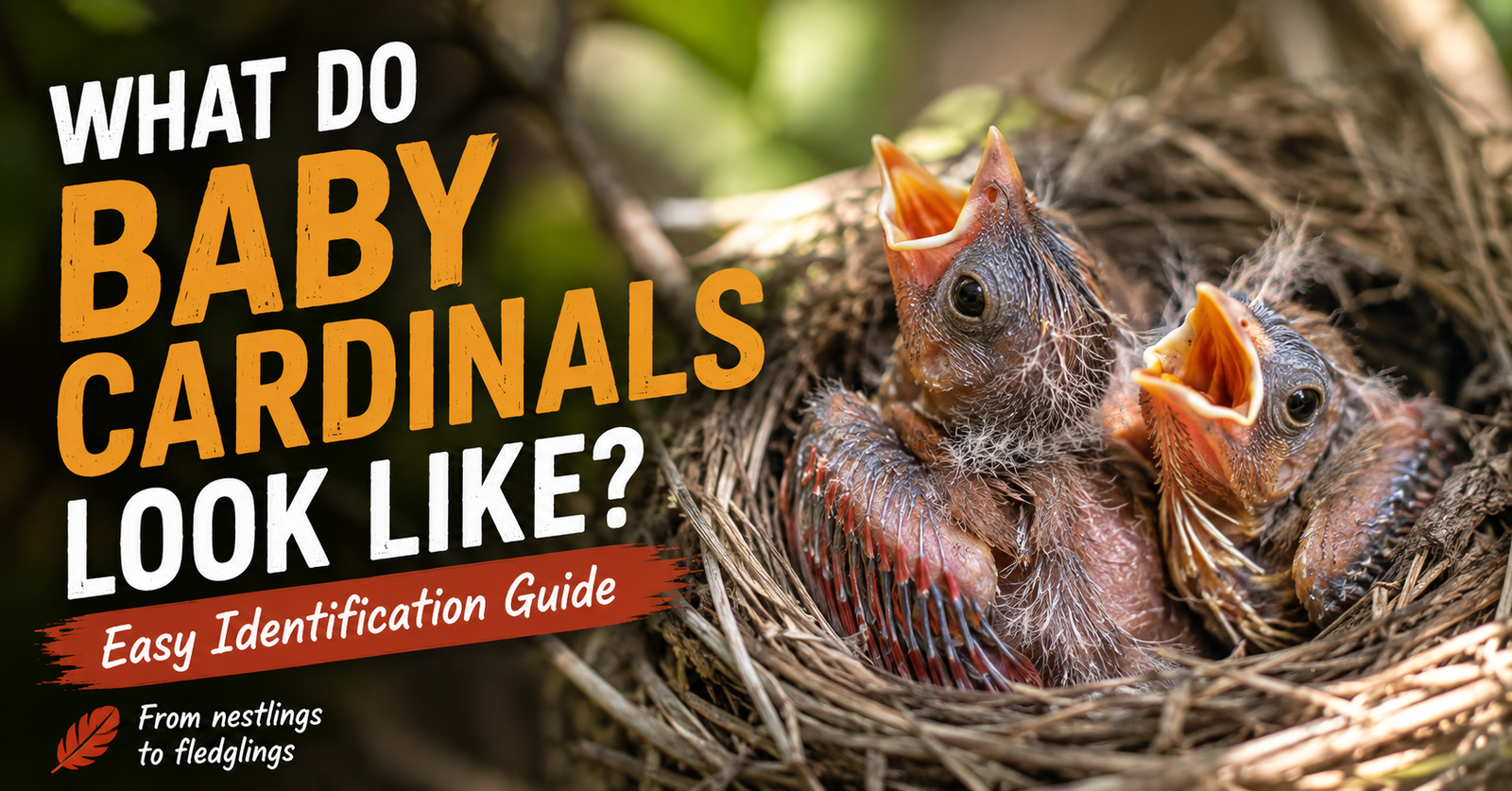
What Do Baby Cardinals Look Like? Easy Identification Guide
What do baby cardinals look like? Learn to identify hatchlings, nestlings, fledglings, and juveniles using the clues that matter.
Birds are found almost everywhere around us, from familiar backyard visitors and neighborhood songbirds to powerful birds of prey, waterfowl, woodpeckers, hummingbirds, and countless other species.
Our Birds guides explore the fascinating lives of birds and answer the everyday questions people have about them. Learn what different birds look like, what they eat, where they live, how long they live, when they migrate, how they communicate, and what makes different species unique.
You’ll also find bird facts, species information, comparisons, seasonal information, and practical guides designed to make learning about birds easy and enjoyable.
Whether you’re curious about a cardinal outside your window, a hawk circling overhead, an owl calling after dark, or simply want to learn more about the birds around you, this is a great place to start exploring Bird Resource.
What do baby cardinals look like? Learn to identify hatchlings, nestlings, fledglings, and juveniles using the clues that matter.
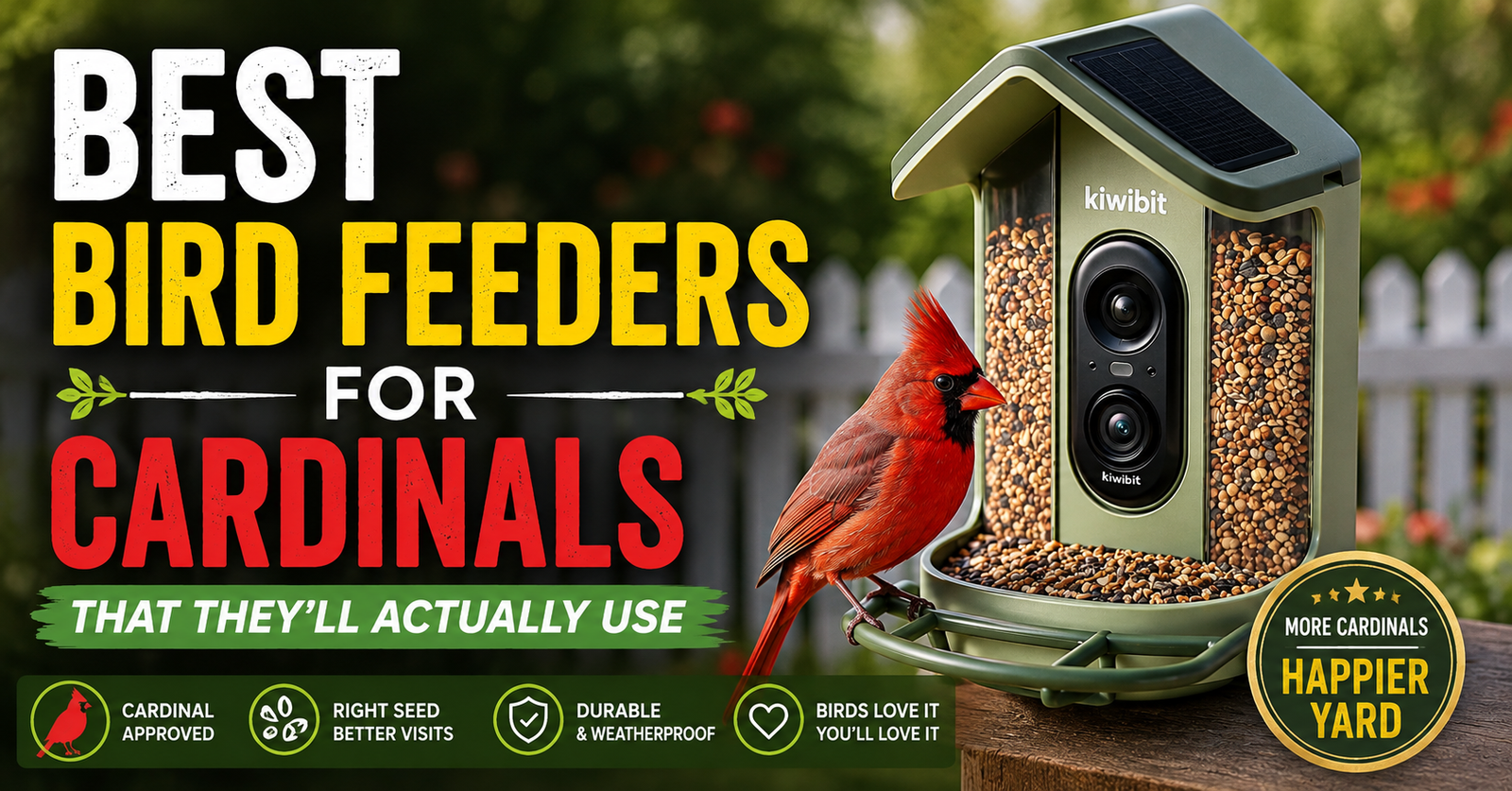
Cardinals won’t comfortably use every feeder. Here’s what works best and the smart feeder I’d choose for watching them up close.
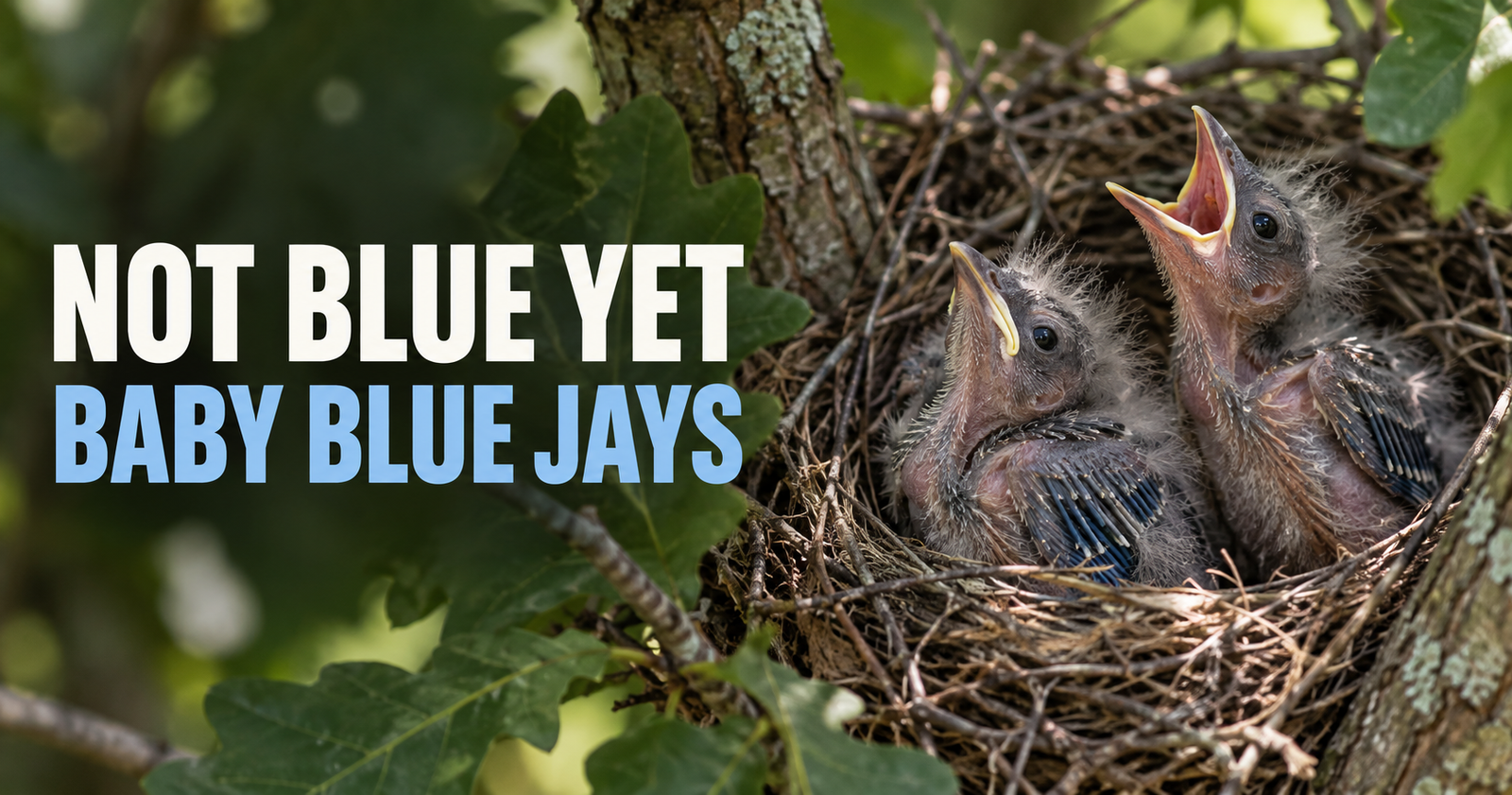
Baby Blue Jays change fast. Learn what hatchlings, nestlings, fledglings and juveniles look like and when a young jay actually needs help.
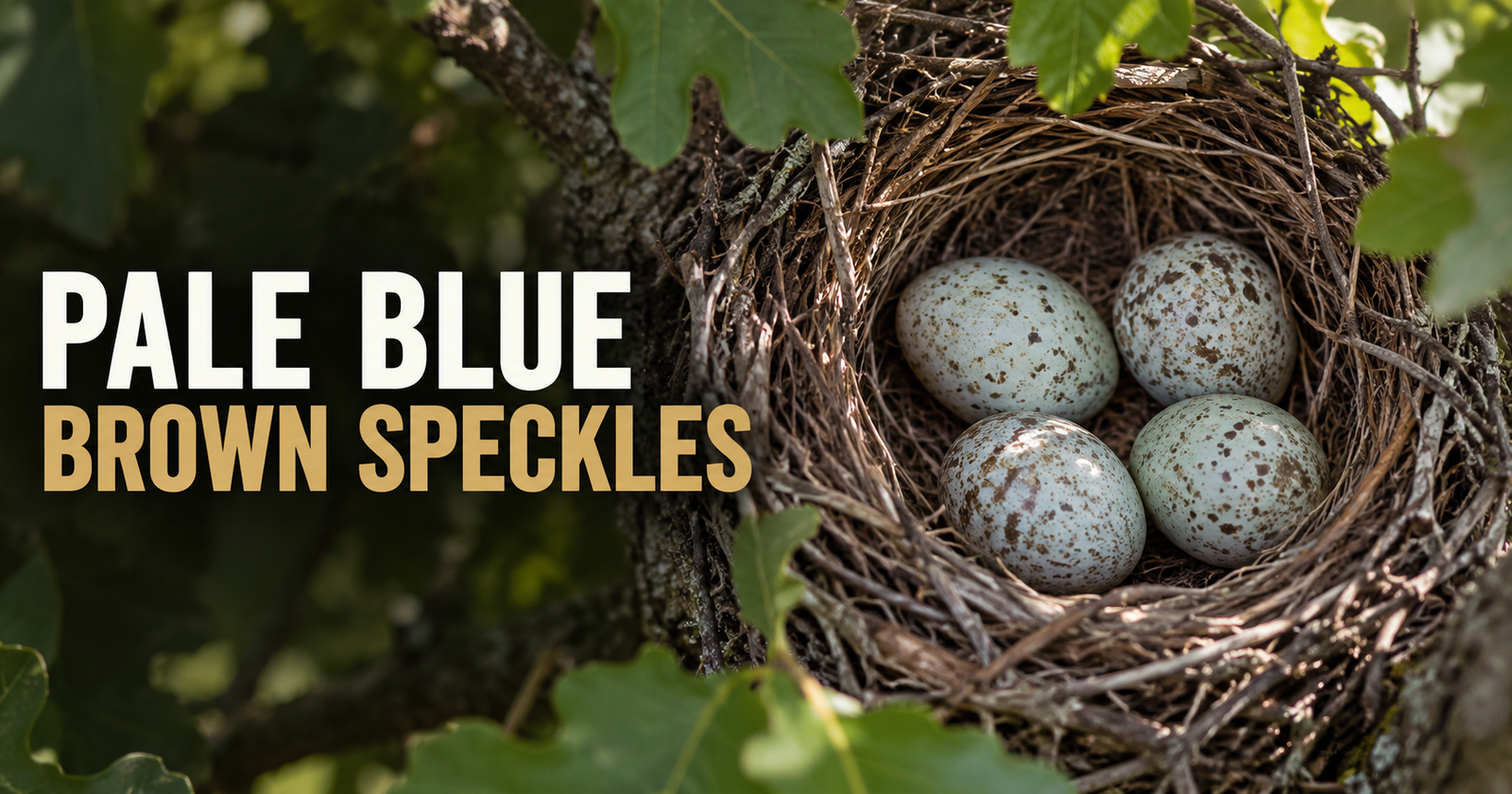
Blue Jay eggs can be blue, brownish and heavily spotted. Here’s their real size, clutch count and the clues that help identify a Blue Jay nest.
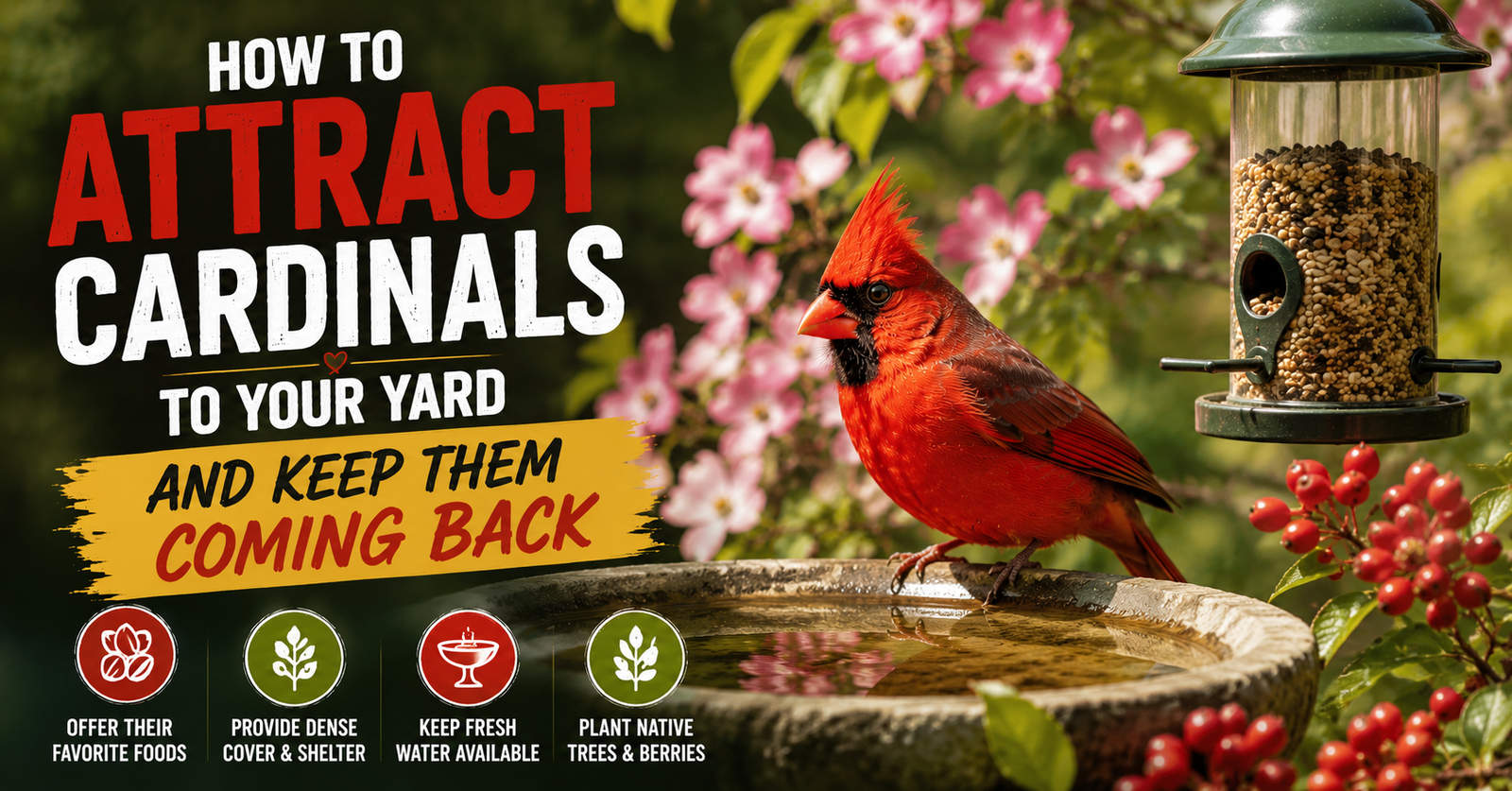
Learn how to attract cardinals with the right food, feeders, water, plants, shelter, and simple backyard changes.
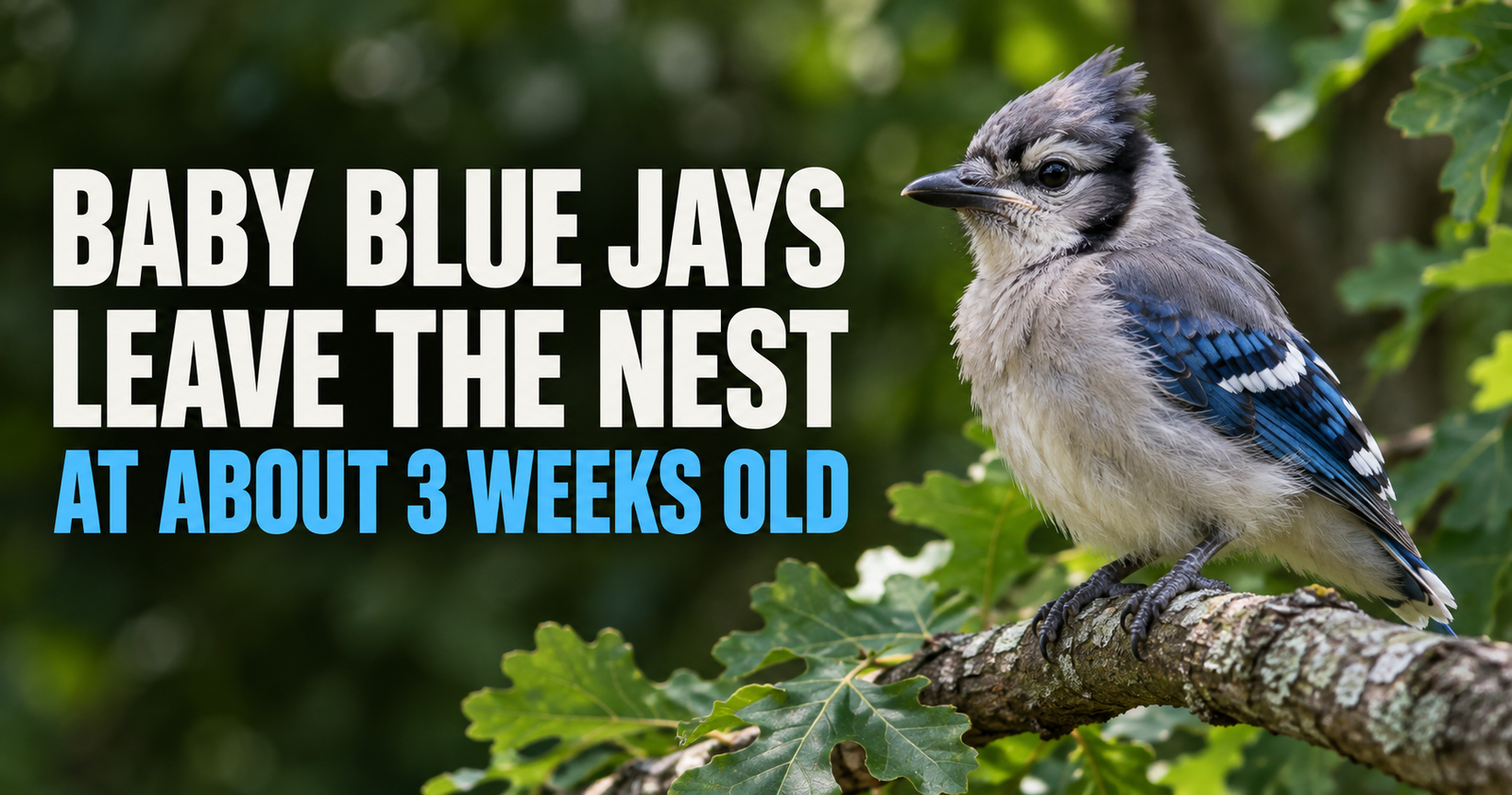
Baby Blue Jays leave the nest surprisingly young and may look helpless afterward. Here’s when they fledge and when you should actually help.
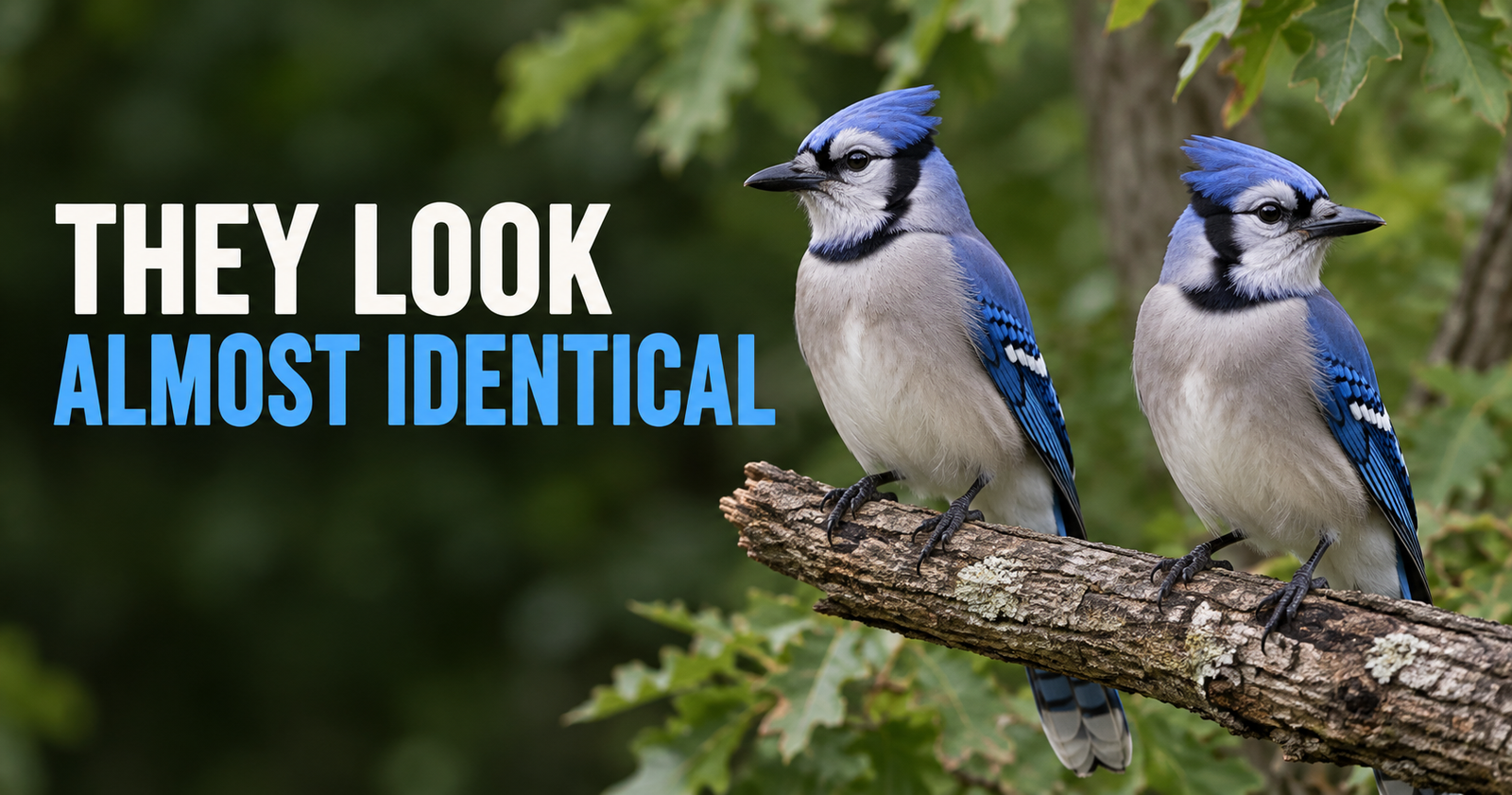
Male and female Blue Jays look almost identical, but a few clues can help. Here’s what actually works and what doesn’t.
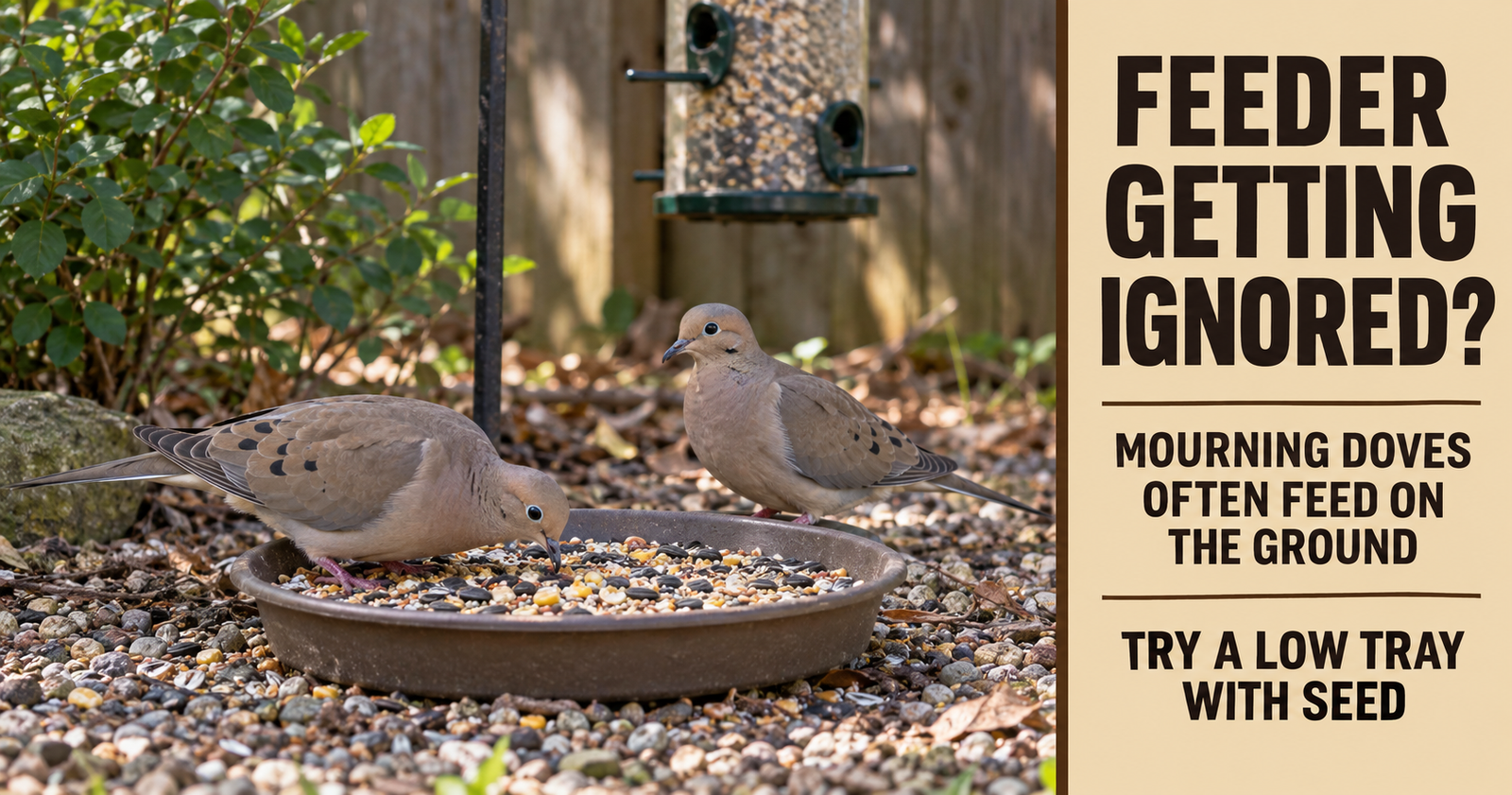
Mourning Doves may live nearby and still skip your feeder. A few simple changes to food, open space, water and cover can bring them closer.
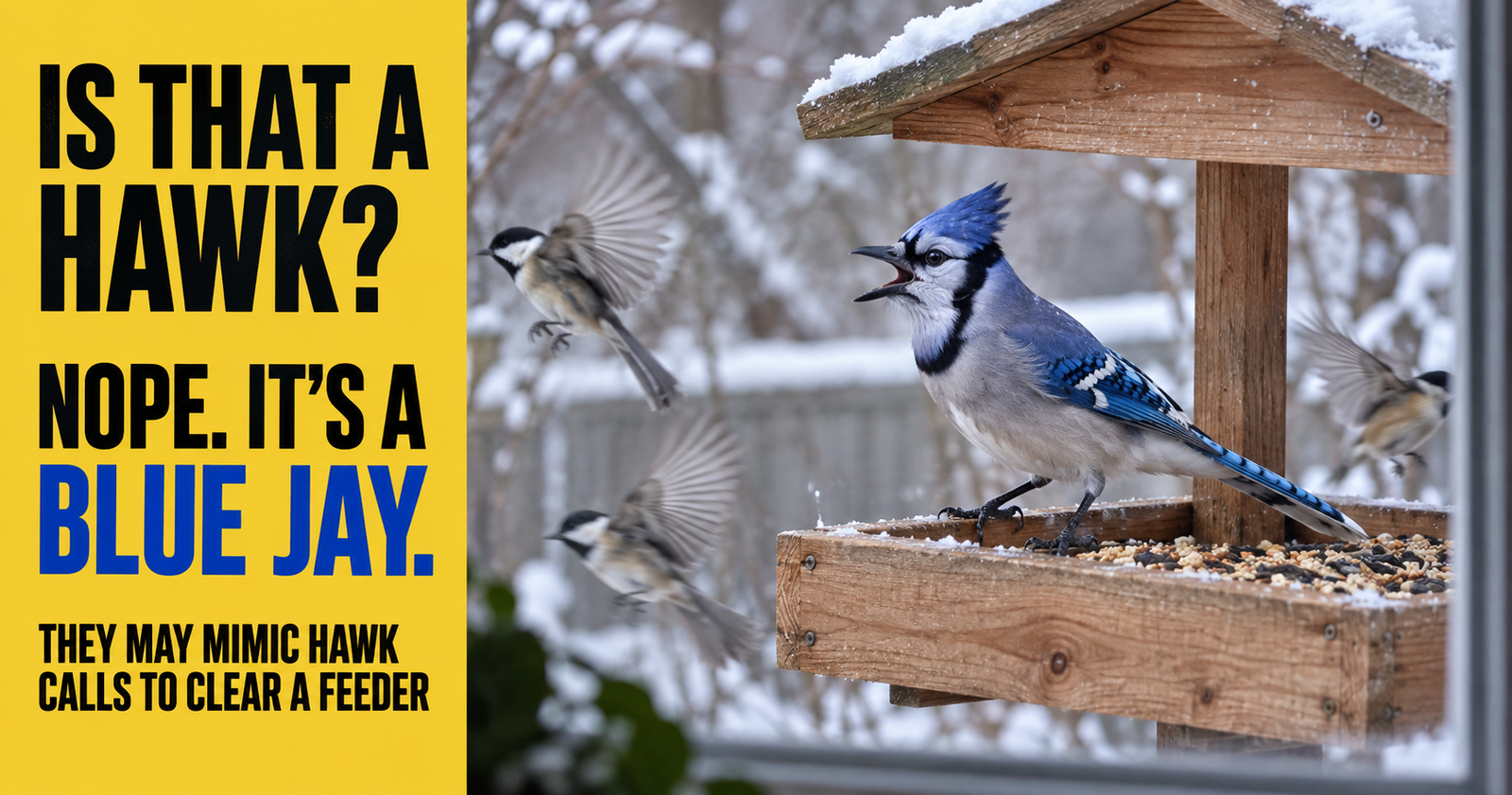
That hawk screaming outside may actually be a Blue Jay. Here’s why Blue Jays copy hawks and what scientists think the strange call means.
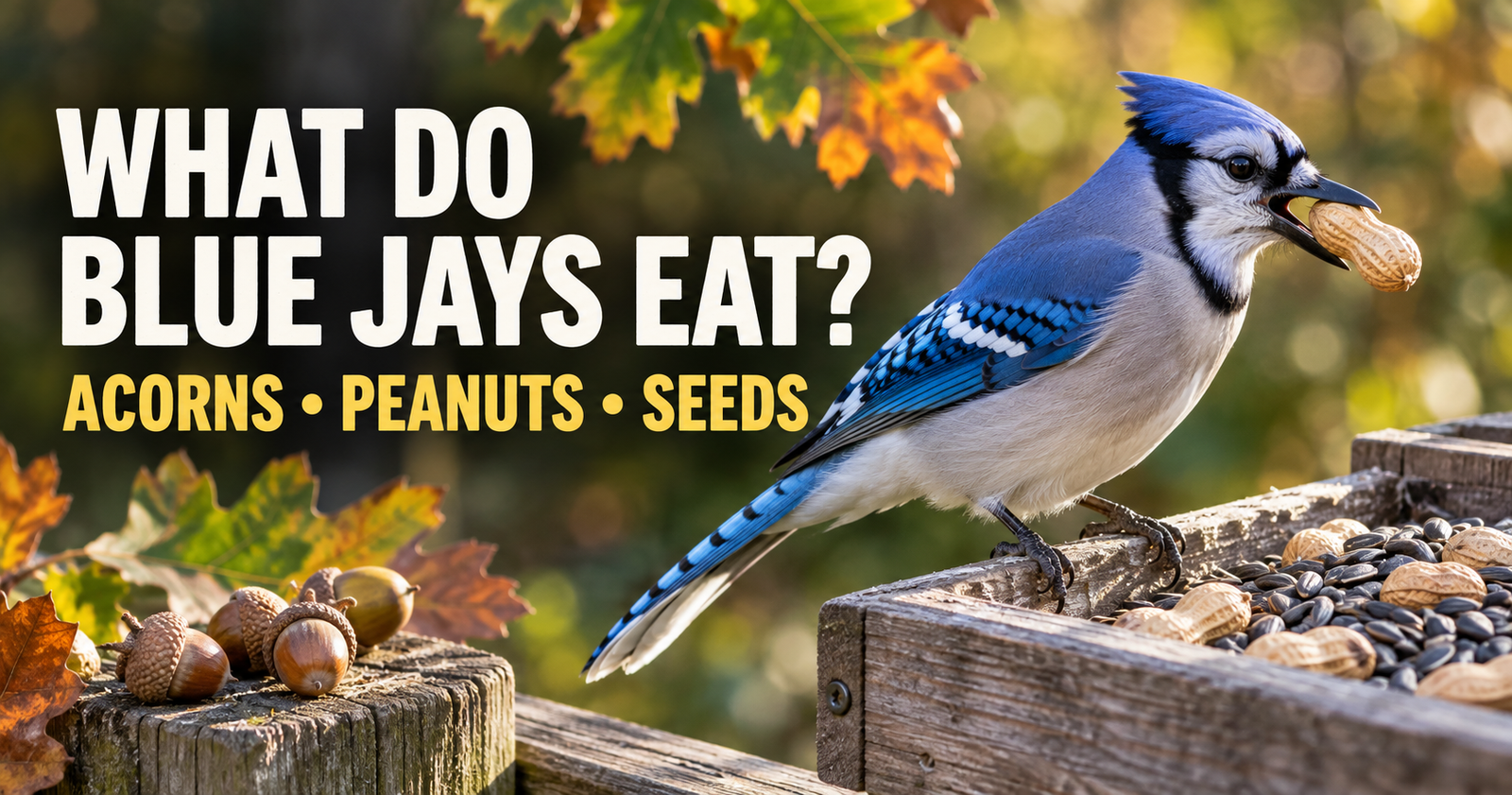
Blue Jays eat far more than birdseed. See their favorite wild foods, what brings them to feeders, and the surprising foods they sometimes eat.
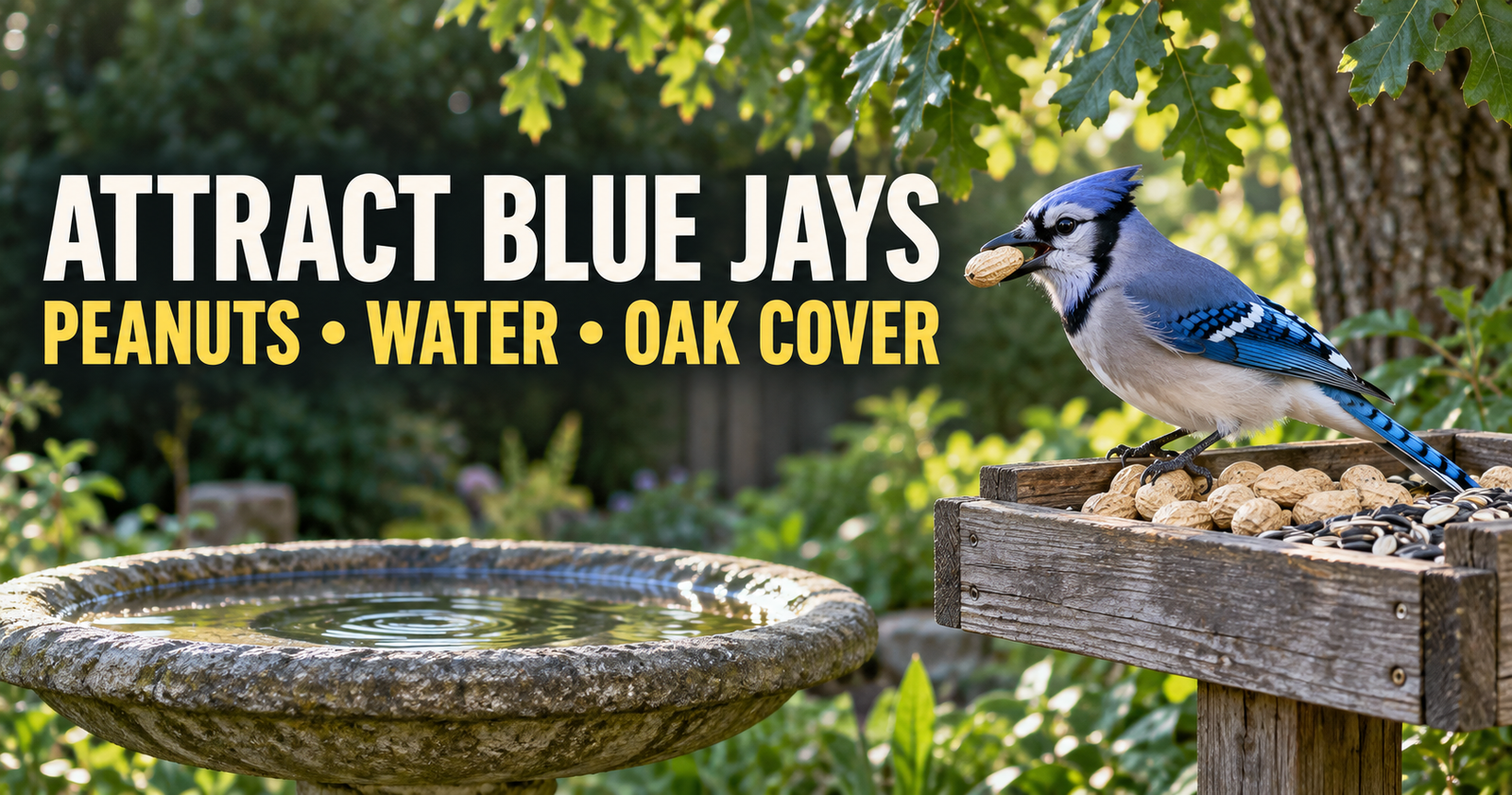
Want more Blue Jays in your yard? Peanuts help, but the feeder, water, trees and a few simple changes can make an even bigger difference.
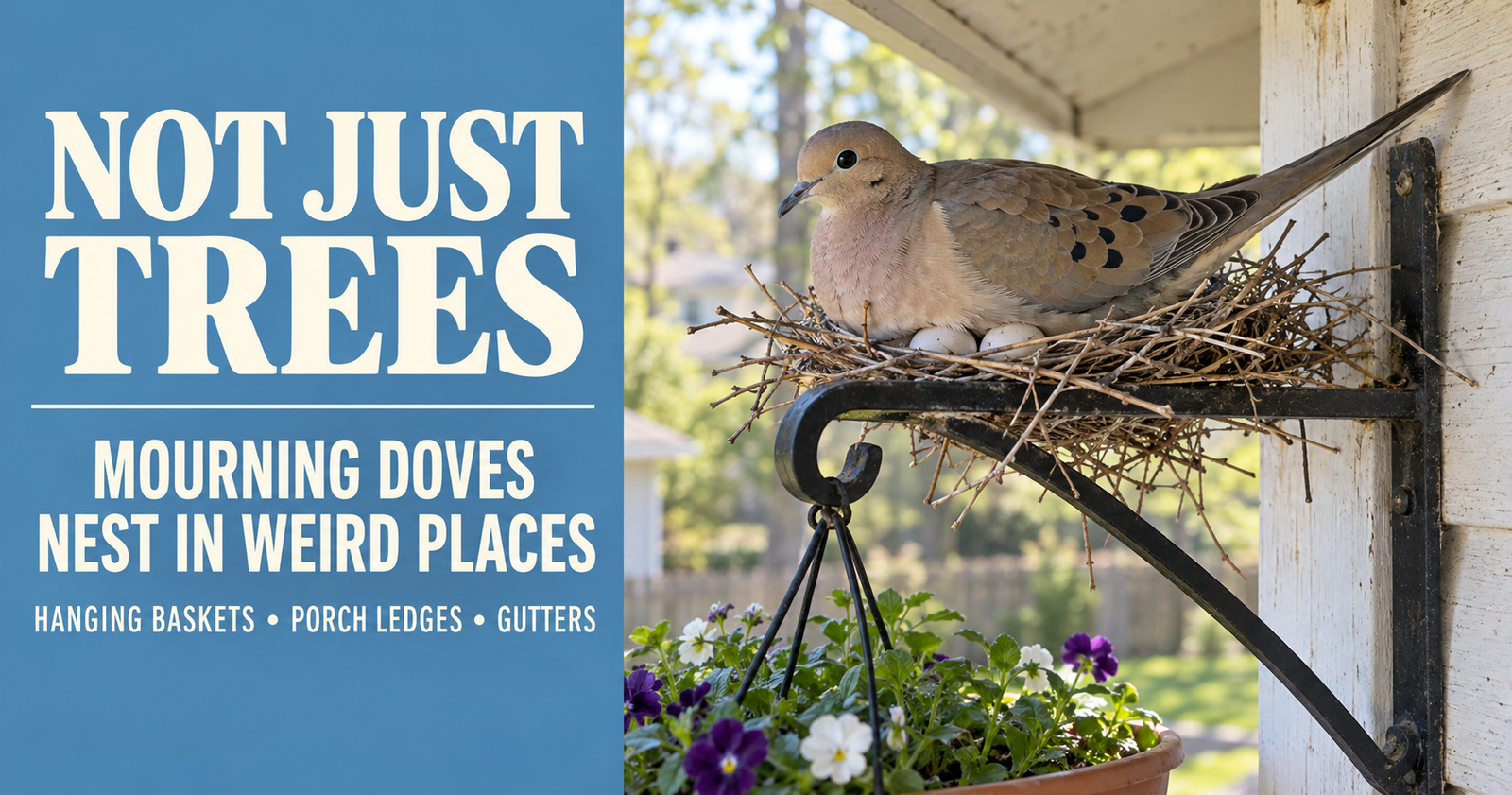
Can’t find the Mourning Dove nest? Stop looking only in trees. These birds pick some surprisingly strange places around homes and yards.