I honestly thought something was wrong with the bird.
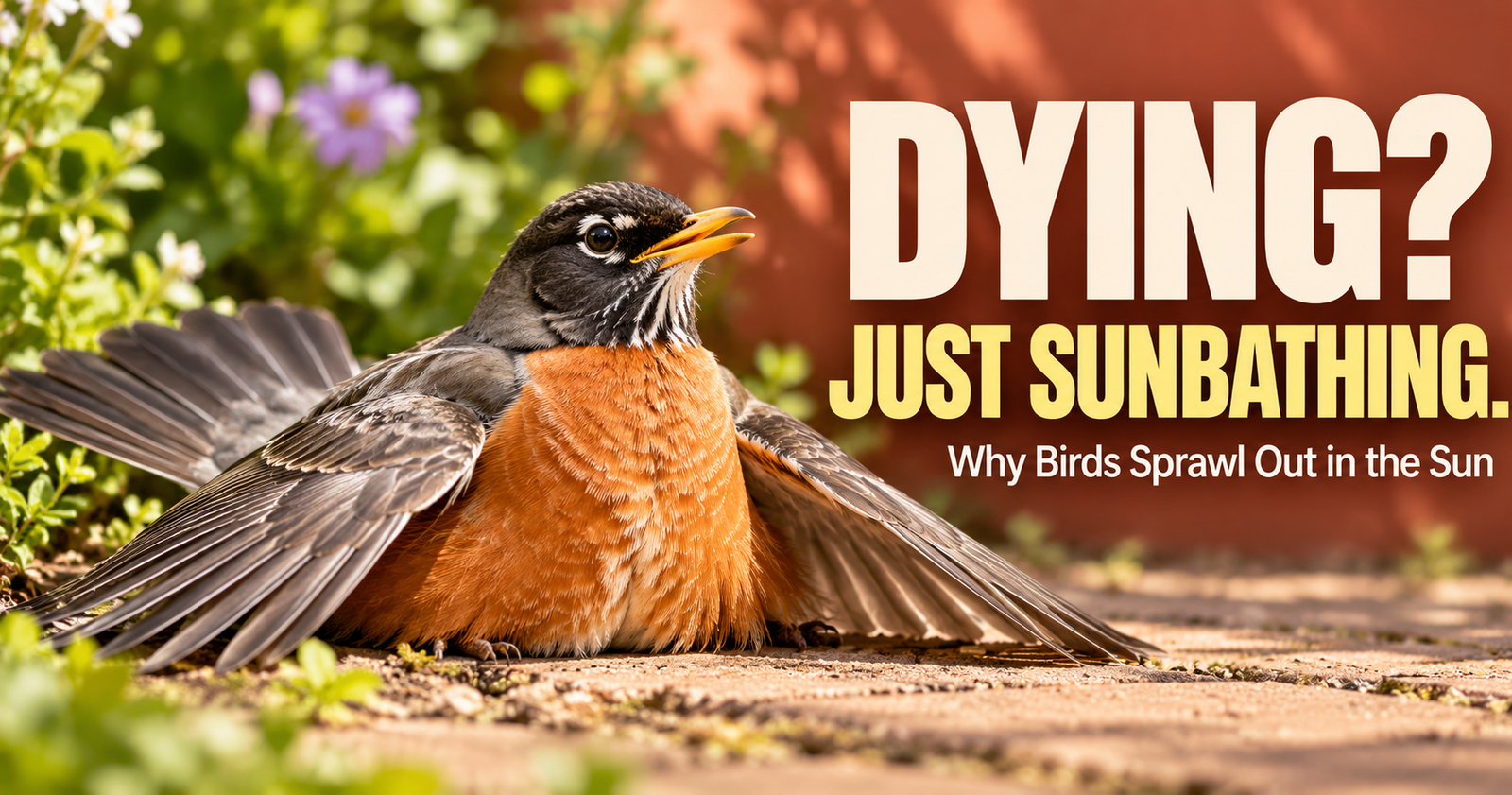
It was down on the ground in the sun with its body tilted sideways and one wing stretched out.
Not flying.
Not eating.
Barely moving.
For a second, it looked like one of those situations where you’re trying to decide whether you should walk over and help.
Then the bird shifted.
It stretched the wing a little farther, turned its body toward the sunlight and just stayed there.
That’s when I realized something strange.
The bird was doing this on purpose.
It was sunbathing.
I’d seen birds sitting in sunny spots plenty of times, but this looked completely different. This bird wasn’t simply perched somewhere warm.
It was practically flattening itself into the sunshine.
Once I started looking into why birds do this, I found out the behavior gets considerably stranger than simply warming up.
The Position Is What Fooled Me
A normal resting bird looks like a bird.
This didn’t.
When birds really get into sunning, they can take on some bizarre positions.
They may lean heavily to one side.
One wing can spread across the ground.
The tail may fan open.
Body feathers can fluff up.
Sometimes the head turns at an odd angle.
And on hot days, the bird may even sit there with its mouth open.
Audubon describes birds sunning with wings spread wide and sometimes panting in the heat.
That’s exactly why I think people can mistake the behavior for distress.
If I saw a bird lying normally in the grass, I’d probably keep walking.
A bird sprawled sideways with an open wing gets my attention.
The First Thing I’d Watch Is the Bird’s Head
This became the easiest distinction for me to think about.
A sunning bird can look almost lifeless from the neck down.
But I’d watch the head.
Is it alert?
Are the eyes opening?
Does the bird occasionally look around?
Does it adjust itself?
A bird deliberately sunning may remain surprisingly still, but it’s generally still aware of what’s happening around it.
Birds have even been described lying prone with their wings and tails spread while keeping their heads raised and watching their surroundings.
That little detail would make me feel considerably better before deciding the bird needed rescuing.
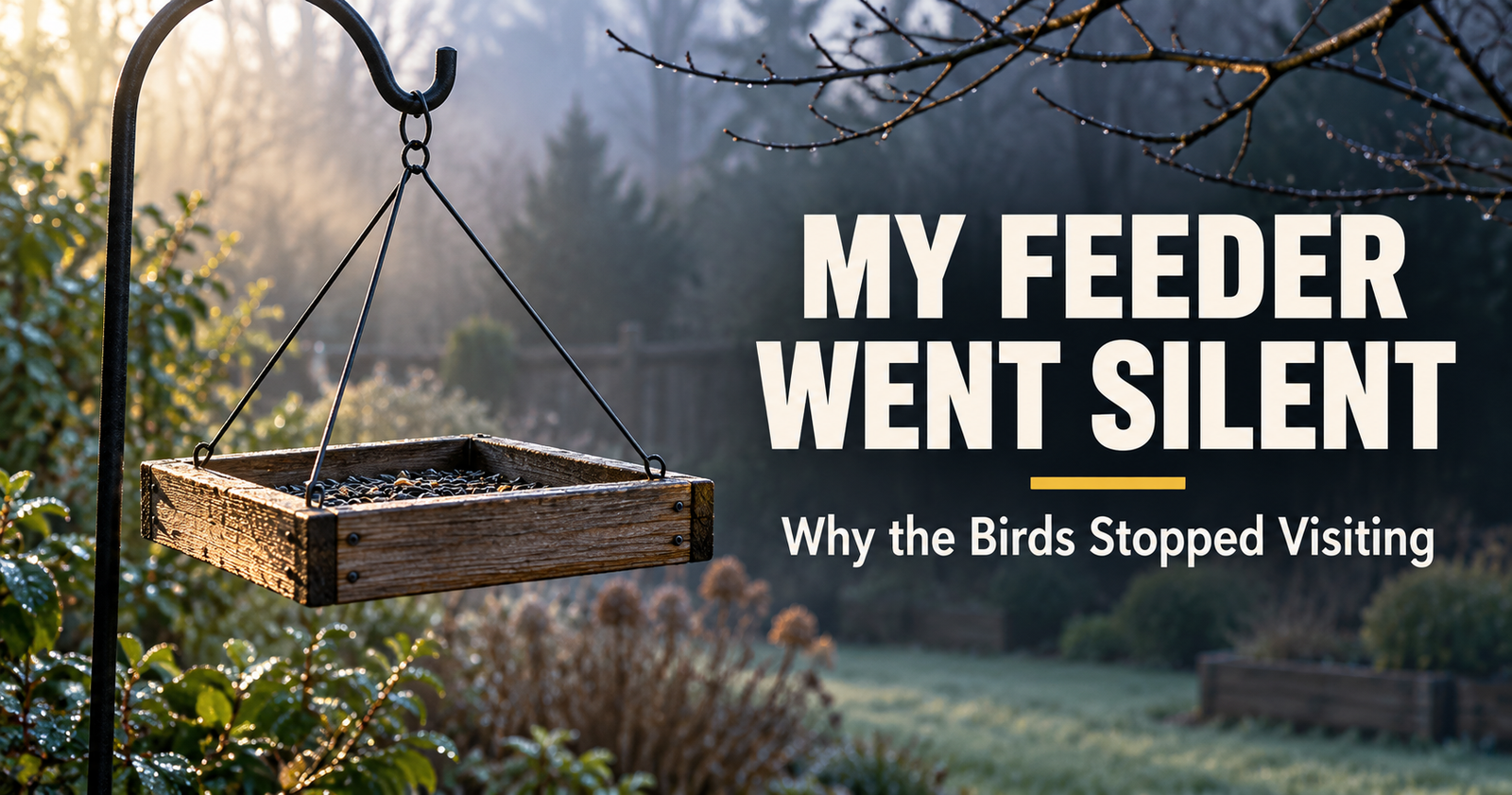
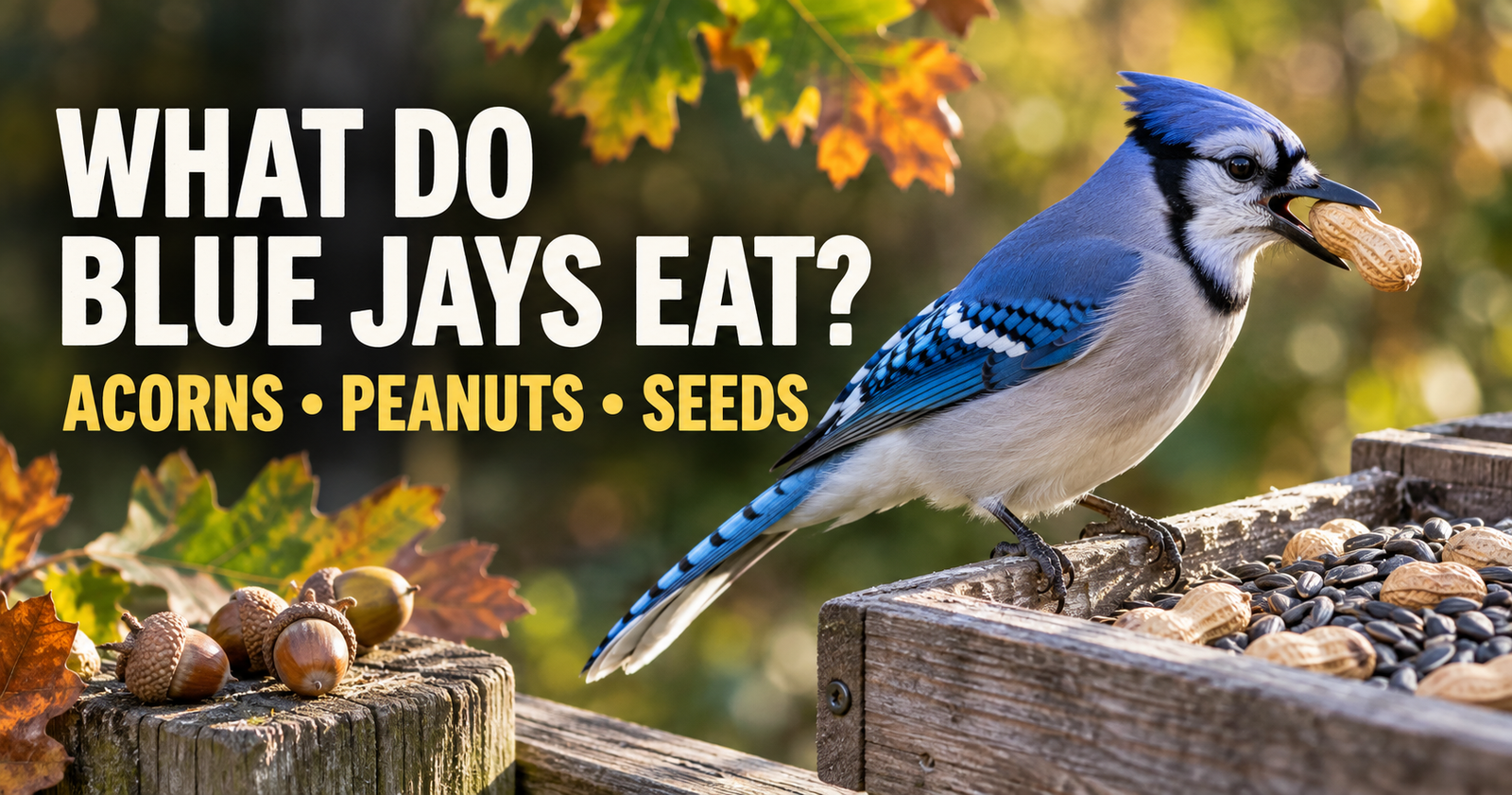
Then I Started Wondering Why a Bird Would Make Itself Even Hotter
This was the part that didn’t make sense.
If the bird were doing this on a cool morning, okay.
Warm up in the sunshine.
Makes sense.
But birds also sun themselves on hot days.
Audubon notes that extreme sunning can happen when temperatures are already high enough that the bird may begin panting.
Now the easy explanation falls apart.
Why deliberately expose yourself to more heat when you’re already hot?
That’s where feathers and parasites enter the story.
The Bird May Be Turning Its Feathers Into an Awful Place for Lice
Bird feathers aren’t empty real estate.
Tiny parasites can live among them.
Feather lice are one example.
And direct sunlight can make conditions inside those feathers brutally hot.
Research summarized in a major review of bird anti-parasite behavior found that significantly more lice died in sunlight than shade in experiments, supporting the idea that sunlight itself can be hostile to these parasites.
That immediately made the strange posture make more sense to me.
If you’re going to use sunlight on your feathers, you don’t want only the outer surface exposed.
Spread the wing.
Raise the feathers.
Fan the tail.
Expose areas that normally stay covered.
Suddenly the ridiculous-looking pose starts looking pretty clever.
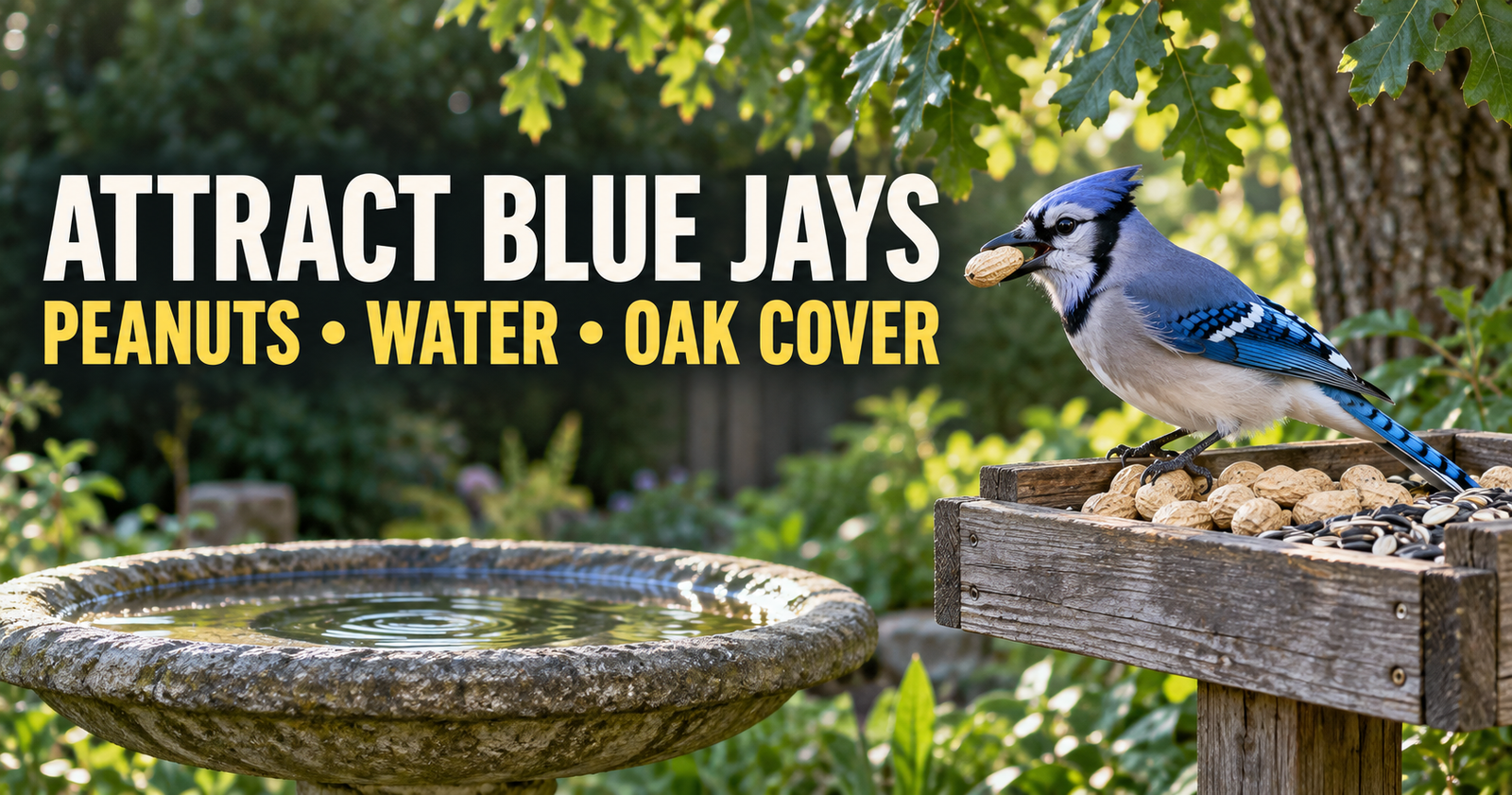
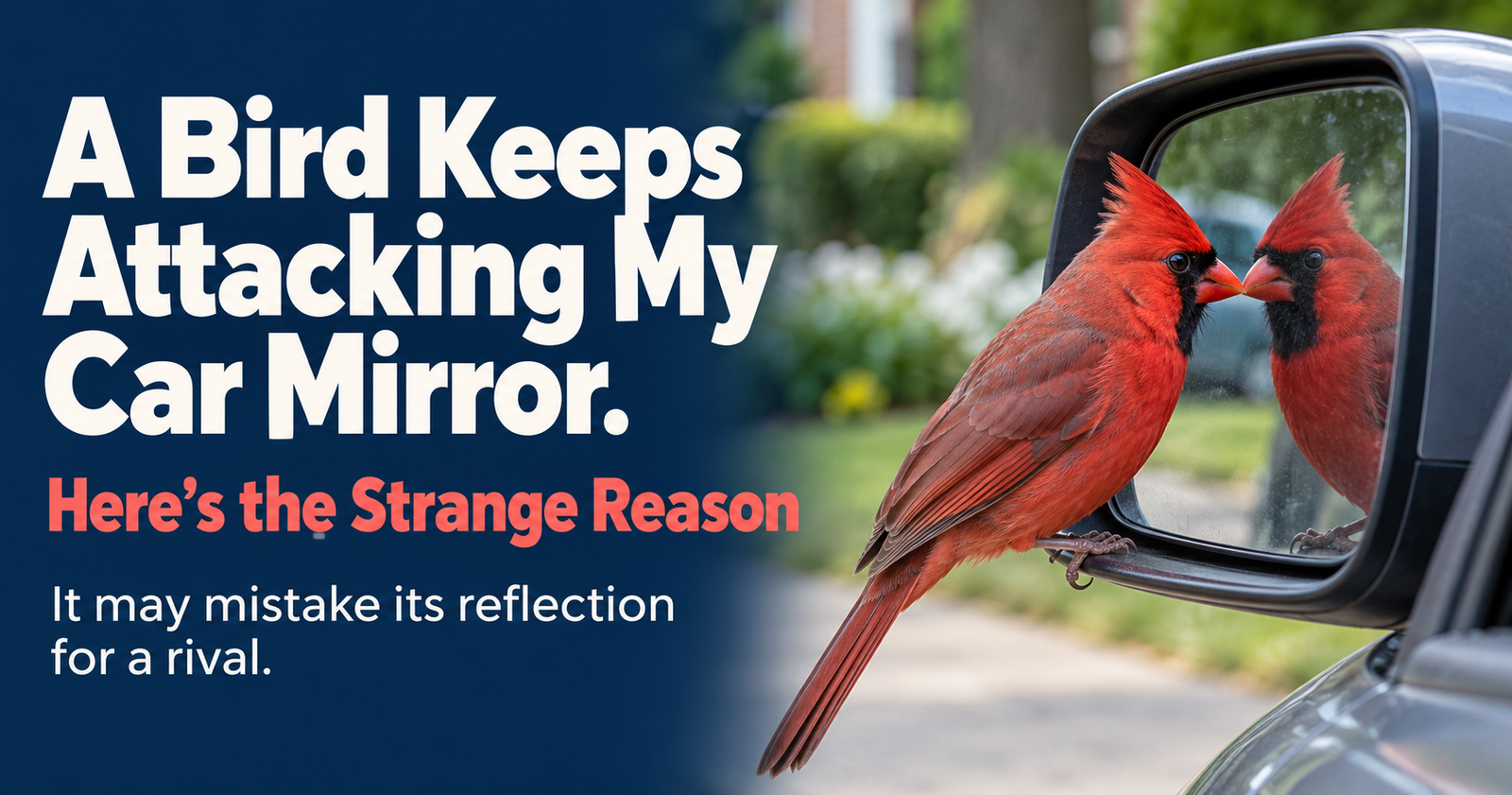
Except Scientists Tried This With Mourning Doves and Got a Surprise
This is exactly why I don’t like neat little bird explanations that pretend everything is settled.
Researchers actually tested sunlight and preening using Mourning Doves and feather lice.
They wanted to know whether birds with access to direct sunlight would preen more or control their lice more effectively.
They didn’t.
The study found no significant improvement in preening frequency or parasite control simply from having access to direct sunlight.
But there’s a catch.
The experiment happened during relatively cool conditions, and the Mourning Doves barely performed actual sunning behavior.
So even the researchers noted that the specific sunning behavior itself deserved further testing under conditions when birds actually do it more often.
I love findings like this.
Instead of:
Birds sunbathe to kill lice. End of story.
The real answer is:
That’s a strong possibility, we have evidence pointing that direction, but the complete story is still being worked out.
I’d Want to Know What the Bird Does Immediately Afterward
This is something I’d watch closely.
Suppose the bird suns itself for five minutes.
Then what?
Does it stand up and fly away?
Or does it start preening?
If heat causes parasites to move toward more exposed areas of the feathers, preening afterward could potentially make them easier to remove. That’s one of the hypotheses researchers have investigated.
So I wouldn’t stop watching when the sunbath ended.
The next few minutes might be just as interesting.
A bird methodically working its bill through feathers after sunning would make me wonder whether I had just watched two parts of the same maintenance routine.

This Connects With Something Else We’ve Already Seen
Birds are unbelievably serious about feather maintenance.
We’ve already looked at birds rolling around in dry dirt.
We’ve looked at birds deliberately rubbing ants through their feathers.
Now we’ve got birds essentially baking their plumage in sunlight.
At first these behaviors look unrelated.
But feathers are everything to a bird.
They help the bird fly.
Keep it warm.
Protect it from weather.
Help attract mates.
And in some species, help provide camouflage.
A damaged, dirty or parasite-filled set of feathers isn’t a small inconvenience.
So maybe it shouldn’t surprise me that birds have multiple ways of maintaining them.
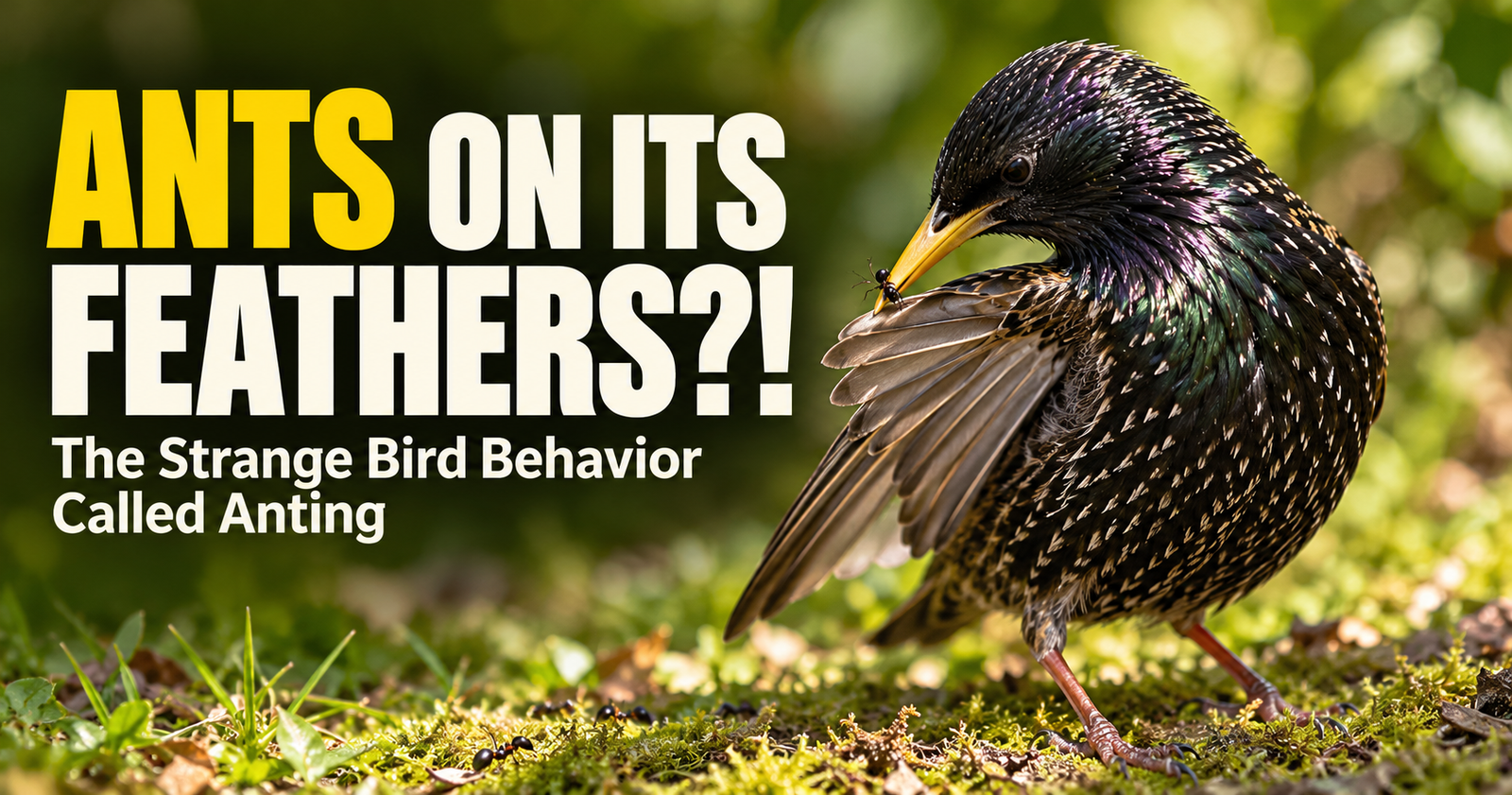
Our article about birds rubbing ants through their feathers gets into one of the strangest examples I’ve come across.
Not Every Bird With Its Wings Spread Is Sunbathing
This is important.
The posture alone doesn’t tell me everything.
A bird may spread its wings for completely different reasons.
Cormorants, for example, famously stand with their wings spread after spending time in water. Wing drying is an important consideration for aquatic birds with highly wettable plumage.
Other birds spread wings during displays.
Some use their wings to shade young.
Others change wing position to regulate temperature.
So I’d look at context.
Was the bird just swimming?
Is it sitting directly in strong sunlight?
Is it lying sideways and exposing feathers?
Is another bird involved?
What happened immediately beforehand?
The same basic wing position can mean very different things.
I Wouldn’t Assume an Open Mouth Means the Bird Is Dying
This is another part that could scare me.
Imagine the whole scene again.
Bird lying awkwardly on the ground.
Wing spread.
Feathers fluffed.
Mouth open.
That looks bad.
But a bird sunning on a hot day may pant because its body is heating up. Audubon specifically notes open-mouth panting during sunning.
So an open bill alone wouldn’t make me intervene.
I’d look at the complete picture.
A bird that deliberately positions itself in sunlight, remains alert and later gets up normally is very different from one that can’t stand or escape.
The Five-Minute Rule I’d Use Before Walking Over
If I saw this happening in my yard and the bird wasn’t in immediate danger, I wouldn’t rush over.
I’d watch.
Five minutes isn’t some scientific rule.
It’s just enough time to learn something.
I’d stay far enough away that my presence wasn’t changing the bird’s behavior.
Then I’d watch for:
small head movements
feather adjustments
wing repositioning
preening
the bird eventually standing normally
If those things happen, I’d become much less worried.
If the bird couldn’t stand, had a visibly drooping injured wing, was bleeding or seemed unaware of its surroundings, that’s different.
The Shadow Test Would Be Interesting
Here’s something I’d genuinely want to observe.
Suppose a bird is lying in one exact sunny patch.
As the sun moves, that patch gradually becomes shaded.
What does the bird do?
Does it stay?
Or does it move a foot or two back into direct sunlight?
That would be a really simple clue that the sunlight itself matters.
I wouldn’t move anything.
I’d simply watch.
A bird repeatedly repositioning itself to remain in direct sun would be far more convincing than assuming any bird sitting on warm ground is sunbathing.
I’d Also Write Down the Temperature
This is where a phone weather app becomes useful.
If I caught the behavior, I’d note:
time,
temperature,
cloud cover,
bird species,
how long it lasted,
and what happened afterward.
Why temperature?
Because sunning doesn’t necessarily serve the same purpose under every condition.
On a chilly morning, absorbing warmth is an obvious benefit. Research on bird temperature regulation describes birds using solar heat to reduce the energy required to warm themselves.
On a blazing summer afternoon, warming up becomes a much less convincing explanation.
That’s when feather maintenance and parasite-related hypotheses become especially interesting.
A Birdbath Might Give Me Another Clue
Suppose I see a bird sunning immediately after bathing.
Now drying becomes more plausible.
But if the bird is completely dry and deliberately spreads itself in intense sun, I’d think differently.
Again, context.
That’s the theme I keep coming back to with bird behavior.
One photograph freezes a weird moment.
Watching what happened before and after often explains it.
Could Birds Be Getting Vitamin D From Sunbathing?
You’ll see this explanation online.
Sunlight and vitamin D biology are real, but I wouldn’t confidently say:
Birds spread their wings specifically to get vitamin D.
There are multiple proposed functions for sunning, and the importance of each may vary between species and situations.
I’d rather stick with what we can actually support.
Birds use sunning postures.
Those postures expose more plumage and sometimes skin to sunlight.
Sun can provide warmth.
It can help dry feathers in certain species.
And experimental work shows sunlight can be hostile to feather lice.
That’s already fascinating without pretending every unanswered question has been settled.
The Bird I’d Really Like to Catch Doing This
A Mourning Dove.
Not because Mourning Doves are the only birds that sun.
Far from it.
But because we’ve already spent so much time watching their other strange behaviors.
They swallow huge quantities of seeds into their crops.
Their wings whistle.
Both parents make crop milk.
They build nests that sometimes look like they should fall apart.
And researchers have actually used Mourning Doves in experiments involving sunlight, preening and feather lice.
If I caught one lying sideways in a sunny patch with a wing stretched out, I’d know exactly what I’d want to document.
How long?
Which wing?
Does it switch sides?
Does it preen afterward?
Does it return to the same location tomorrow?
That could turn one strange backyard moment into a genuinely interesting observation.
Common Questions About Birds Sunbathing
Why do birds lie on the ground with their wings spread?
They may be sunning. Birds can deliberately expose their feathers to sunlight for warmth and feather maintenance, and research suggests sunlight may also affect feather parasites.
Why do birds sunbathe when it’s already hot?
That’s one reason simple warming can’t explain all sunning behavior. Extreme sunning on hot days may be connected with feather maintenance and parasites.
Is a bird lying with one wing spread injured?
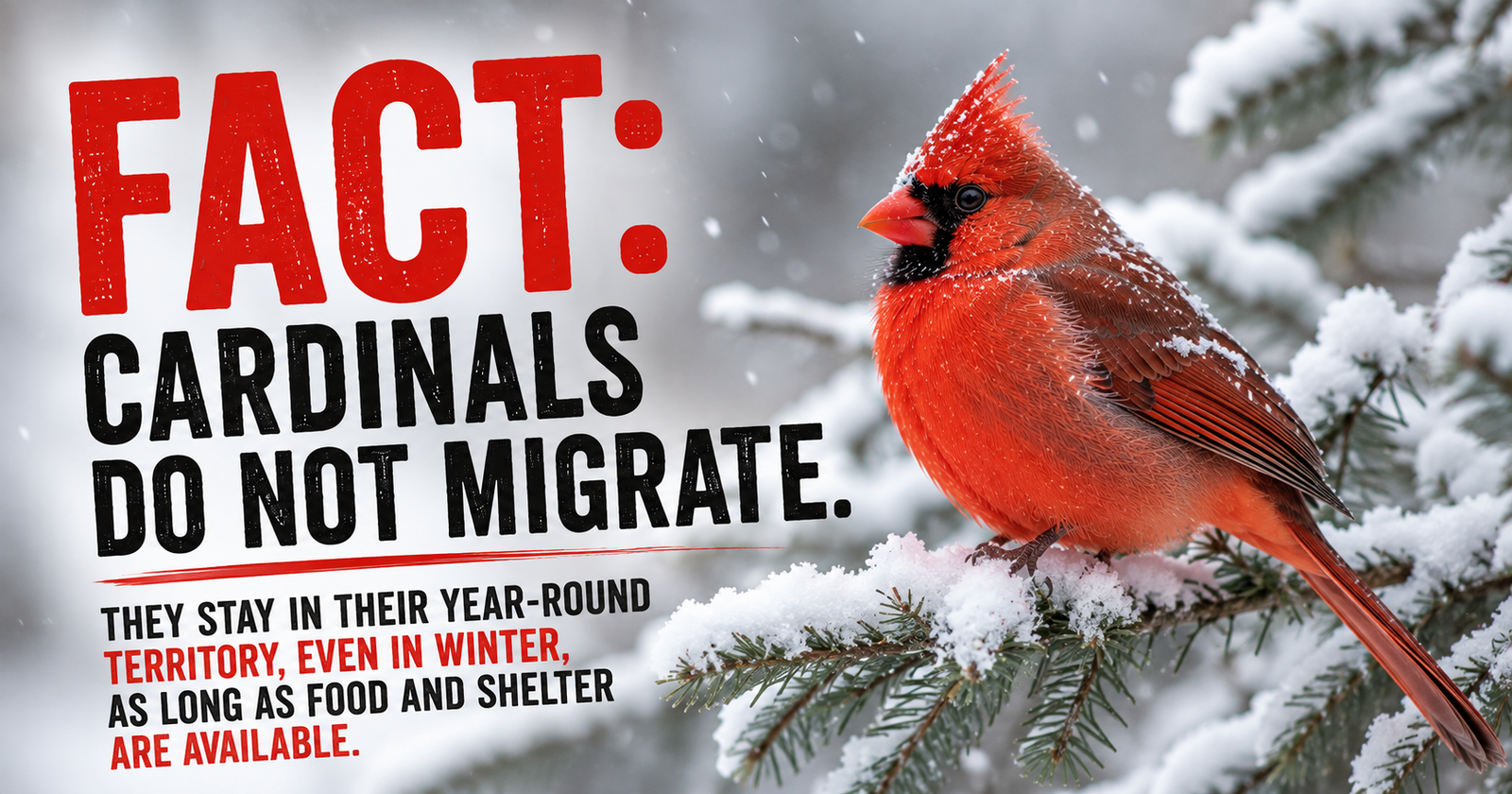
Not necessarily. Some sunning birds lie sideways with one wing extended and can look injured or even dead. Watch from a distance for alertness and normal movement before assuming something is wrong.
Do birds sunbathe to kill lice?
Sunlight can kill feather lice under experimental conditions, supporting the idea that parasite control may be one benefit. However, scientists haven’t established that as the sole reason birds sun.
Why do birds open their mouths while sunbathing?
They may be panting as their body temperature rises in direct sunlight.
Do Mourning Doves sunbathe?
Yes, Mourning Doves can sun, and they’ve even been used in experimental research examining sunlight, preening and feather lice.
Should I help a bird that’s lying in the sun?
Not automatically. Observe first. A sunning bird should remain responsive and eventually move normally. A bird that can’t stand, is visibly injured or doesn’t respond appropriately may actually need help.
Now I’d Think Twice Before “Rescuing” That Bird
That’s probably the biggest thing I took away from learning about this.
My first instinct when I see a bird sprawled awkwardly on the ground is:
Something happened to it.
And sometimes that’s exactly right.
Birds get injured.
They hit windows.
Cats attack them.
They become sick.
But sometimes the bird with the crooked body, spread wing and open mouth is doing exactly what it intended to do.
It’s lying in the sun.
Maybe warming itself.
Maybe maintaining its feathers.
Maybe making life miserable for tiny parasites hiding where its bill has trouble reaching.
Or maybe getting several benefits at once.
So now I’d wait before walking over.
I’d watch the eyes.
Watch the head.
Watch what happens when the sun moves.
And most importantly, watch what the bird does when it’s finished.
Because sometimes the bird that looks half dead suddenly stands up, shakes its feathers back into place and flies away like absolutely nothing happened.
Meanwhile, I’m standing there realizing the bird was fine the entire time.
Wesley Thorne is a Bird Behavior Contributor for BirdResource.com, where he writes about the backyard bird moments that look completely wrong until you stop, watch a little longer, and figure out what the bird is actually doing.